10 Essential Tips for Choosing Plastic Artificial Thatch?
When it comes to selecting Plastic Artificial Thatch, expert David Carter emphasizes, "Quality materials are essential for authenticity and durability." With the growing popularity of synthetic roofing in landscaping and architecture, making the right choice is crucial. Plastic Artificial Thatch offers a cost-effective solution that mimics the look of traditional thatch.
Choosing the best option can feel overwhelming, given the variety of products available. Factors like UV resistance, fire safety, and aesthetics play significant roles in decision-making. The right material can enhance a property’s charm while ensuring longevity. However, not all products on the market deliver the expected performance. Some may fade or degrade faster than anticipated.
Investing time in research is vital. Many consumers overlook the importance of warranty and customer support. Seeking feedback from previous buyers can provide valuable insights. Plastic Artificial Thatch can be a worthy addition to your outdoor space, but choosing the wrong type can lead to disappointment. It's essential to reflect on your needs and consult with professionals before making a final choice.
Understanding Different Types of Plastic Artificial Thatch Materials
When considering plastic artificial thatch materials, understanding the different types available is crucial. Most commonly, there are polyethylene (PE) and polypropylene (PP) options. Each type offers distinct characteristics that affect durability, aesthetics, and cost. Studies, such as those from the Roofing and Waterproofing Institute, reveal that PE is more UV-resistant, making it ideal for sun-drenched locations. In contrast, PP may provide a more natural appearance but could require more maintenance over time.
The texture and color of the materials greatly influence the overall visual appeal. Some products mimic the look of natural thatch quite closely, with varying shades available to suit different architectural styles. A recent market analysis indicated that nearly 70% of consumers prefer products that blend seamlessly with their environment. However, not all artificial thatch is created equal. Some lower-cost options may fade quickly or deform under heat.
Another consideration is environmental impact. While plastic is often perceived as less sustainable, advancements in manufacturing are leading to more eco-friendly processes. Data from the Global Recycling Initiative shows that recycled plastics are increasingly used, reducing waste. Nevertheless, potential pitfalls remain. Not all recycling processes yield high-quality materials. It’s vital to balance aesthetics, cost, and environmental responsibility when making a choice.
Evaluating the Durability and Weather Resistance of Thatch Options
When evaluating the durability and weather resistance of plastic artificial thatch, several factors come into play. According to industry studies, high-quality plastic thatch can withstand harsh weather conditions. For instance, materials engineered for UV resistance can last up to 25 years. This longevity is crucial, particularly in environments prone to intense sunlight and rain.
It's essential to check the impact resistance ratings of thatch products. Research shows that some options can endure winds exceeding 100 mph. This feature is especially useful in coastal regions. However, not all products claim the same durability. Some lower-quality options may degrade quickly under similar conditions.
Moreover, assess the fire-resistance capabilities of your chosen thatch. A reliable plastic thatch should meet fire safety standards, reducing the risk of fire damage. However, some may not be certified, leaving buyers with uncertainty. Price shouldn't be the sole factor; understanding these characteristics can lead to a better long-term investment. Customers should weigh durability against cost to find the right balance.
Assessing Compatibility with Architectural Styles and Environments
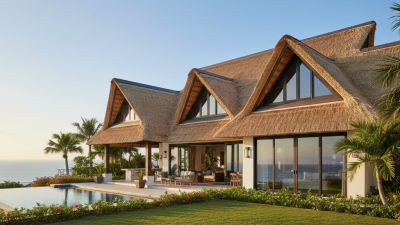
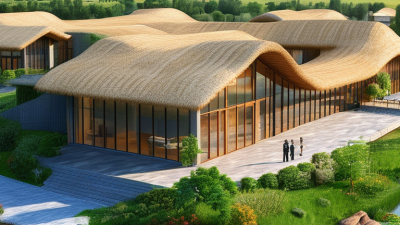
When selecting plastic artificial thatch, compatibility with architectural styles is crucial. Consider the style of your building. Traditional settings may benefit from thatch that mimics natural materials. Conversely, modern designs might require a sleeker, more minimalist appearance. It’s essential to visualize how the thatch integrates with existing features.
Environmental factors also play a significant role. Areas prone to high winds might need more secure installations. In contrast, sunny locations should focus on UV resistance. Examine how the thatch complements the landscape around it. Will it clash with nearby structures? Always remember to consider the local climate.
It’s easy to overlook these details in the excitement of installation. Choose wisely, as this decision impacts aesthetics and longevity. Take the time to assess these elements carefully. This thoughtful approach ensures a harmonious coexistence of style and function.
10 Essential Tips for Choosing Plastic Artificial Thatch
Considering Installation Requirements and Maintenance Needs
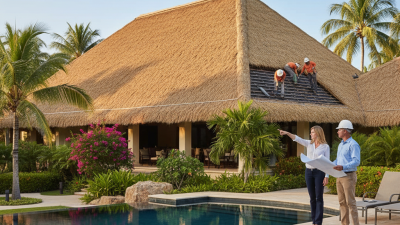
When choosing plastic artificial thatch, installation requirements and maintenance needs are crucial. Understanding these factors helps ensure a successful project. Many overlook proper installation, which can lead to aesthetic issues or costly repairs. Examine the weight and dimensions of the thatch. Ensure your roof structure can support it. Sometimes, added reinforcement may be necessary.
Maintenance is another key area. Plastic thatch requires less upkeep than natural options, but it’s not maintenance-free. Regular cleaning prevents mold and algae buildup. Use a soft brush to remove debris. Routinely check for damage after severe weather. It’s essential to address any issues quickly to avoid larger problems down the line.
Tip one: Always review local building codes. Sometimes, there are specific regulations for artificial materials.
Tip two: Consider color fading. Under intense sunlight, some materials can lose vibrancy over time. It may be worth investing in UV-stabilized options.
Lastly, read customer reviews to gauge long-term satisfaction. Real-world experiences reveal insights you may not find in promotional materials.
Budgeting for Cost-Effective Solutions in Artificial Thatch Selection
When selecting plastic artificial thatch, budget considerations play a crucial role. Many homeowners desire a beautiful, tropical look without breaking the bank. The right choice can provide aesthetic appeal while being cost-effective.
Start by assessing the total area you wish to cover with thatch. This can determine the amount needed and, subsequently, the overall cost.
Choose materials wisely. Some options may appear cheaper upfront but can lead to maintenance costs later. Think about durability and longevity. Investing slightly more in high-quality artificial thatch may save you money over time. Remember, the initial purchase price is just one part of the equation.
Consider installation costs. DIY installation can cut expenses significantly, but ensure you possess the necessary skills. Alternatively, hiring professionals can guarantee a polished look. Evaluate quotes from multiple contractors.
When budgeting, include future expenses like cleaning and repairs. Always reflect on these choices. Misleading pricing can lead to disappointment. Balancing beauty and budget is key to a successful project.