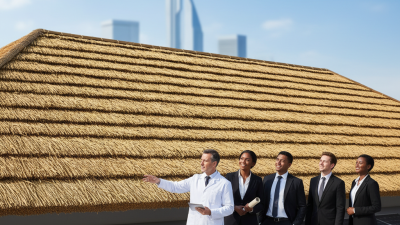
China Best Synthetic Roof Thatch Solutions for Global Buyers?
The demand for sustainable building materials has surged in recent years. According to a report by Global Market Insights, the synthetic roofing materials market is projected to exceed $10 billion by 2026. A key player in this sector is Synthetic Roof Thatch, which combines aesthetic appeal and durability. Offering a eco-friendly alternative to traditional thatch, it has become a favored choice among architects and builders.
Synthetic Roof Thatch mimics the natural look while providing superior weather resistance. Homeowners appreciate the low maintenance and long lifespan, often exceeding 30 years. However, some buyers remain skeptical about its performance. Reports indicate that while synthetic materials can be more costly upfront, their durability can offset this in the long run.
While various manufacturers in China dominate the global market, securing reliable suppliers is crucial. Buyers must navigate differences in quality and design. Investing time in research is essential to ensure the chosen Synthetic Roof Thatch meets both aesthetic and practical needs. The pursuit of quality solutions continues to challenge both buyers and suppliers in this evolving market.
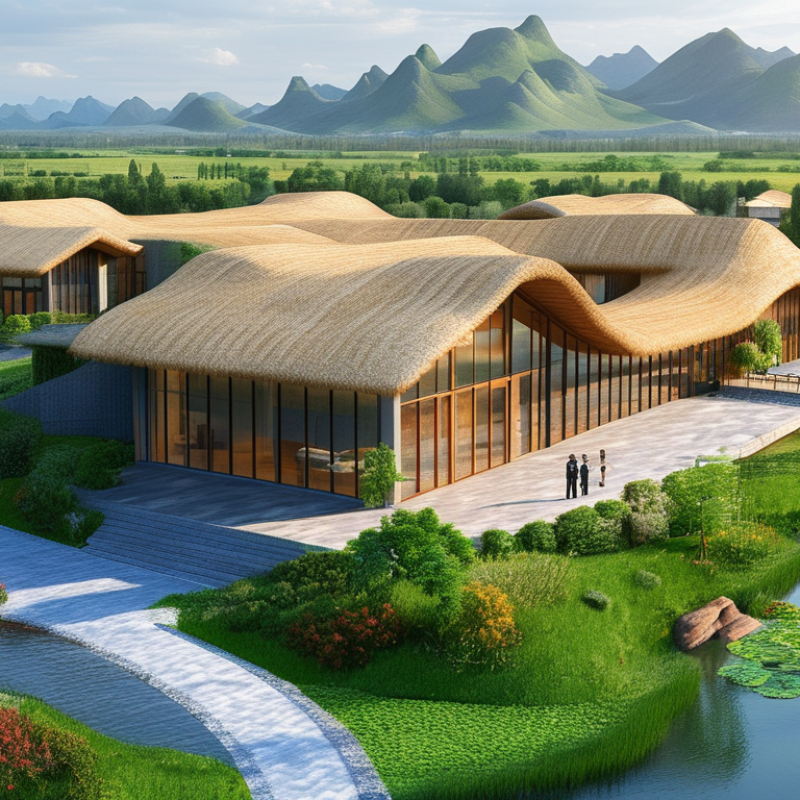
Overview of Synthetic Roof Thatch Materials and Designs
Synthetic roof thatch offers a blend of modern technology and traditional aesthetics. It mimics the natural thatch roof look while providing durability and low maintenance. These materials come in various designs, catering to diverse architectural styles. From rustic to contemporary, the flexibility of synthetic thatch allows for creativity in roof design.
Materials for synthetic thatch include polyethylene and PVC. They are engineered to withstand harsh weather conditions. This durability means fewer replacements, which can reflect long-term cost efficiency. However, the initial investment might be higher than traditional materials. Homeowners should weigh these factors carefully.
Visual appeal is vital in synthetic thatch. While it looks stunning, some may argue it lacks the charm of natural materials. This raises a question: does the synthetic option lose authenticity? As demand grows, addressing these concerns will be crucial for manufacturers. The challenge lies in balancing aesthetics with functionality while maintaining sustainability.
Benefits of Using Synthetic Roof Thatch for Global Buyers
Using synthetic roof thatch offers numerous advantages for global buyers. This material is not only eco-friendly but also incredibly durable. It can withstand harsh weather conditions, reducing maintenance costs. Unlike traditional thatch, synthetic options come in various styles and colors. This versatility allows buyers to choose designs that suit their architectural needs.
Another key benefit is the fire resistance of synthetic materials. This feature is crucial for safety in residential and commercial properties. Additionally, synthetic roof thatch is lightweight, making installation easier and faster. Buyers appreciate the reduced labor costs associated with quicker setups. While some may question the aesthetic appeal compared to natural thatch, advancements in design have made synthetic options visually comparable.
However, the initial investment for synthetic thatch can be higher than traditional materials. Buyers must weigh this cost against long-term benefits. Some may feel unsure about the long-term durability claims, given that synthetic materials are relatively new. Exploring reviews and case studies can help in making informed decisions. Understanding these aspects can lead to smarter choices in roofing alternatives.
Top Chinese Manufacturers of Synthetic Roof Thatch Products
China has emerged as a significant player in the synthetic roof thatch market. Several manufacturers have focused on producing high-quality, durable products that cater to global buyers. According to a recent market analysis, the synthetic thatch market is projected to reach $200 million by 2025. This growth is driven by the increasing demand for eco-friendly roofing solutions.
Chinese manufacturers have adopted advanced technologies to enhance product durability and aesthetics. They utilize UV-resistant materials and flexible designs. These features appeal not only to residential buyers but also to commercial entities in resorts and theme parks. Yet, consistency in quality control remains a challenge for many factories. Reports indicate that nearly 15% of products fail to meet the specified durability standards.
The competitive landscape of this industry is shifting. Many buyers seek reliable suppliers that can provide consistent quality and timely delivery. Data shows that companies with robust supply chains can significantly reduce lead times. However, transparency in production processes often lacks, making it hard for buyers to assess the quality. Continued innovation and adherence to global standards will be crucial for manufacturers aiming to secure long-term contracts internationally.
Comparative Analysis of Natural vs. Synthetic Roof Thatch Solutions
Natural thatch roofs have long been revered for their aesthetics and traditional feel. They offer a unique charm and blend seamlessly with nature. However, their maintenance can be challenging. Natural thatch is susceptible to rot, pests, and weather damage. It requires regular upkeep to maintain its appearance and functionality.
On the other hand, synthetic thatch is gaining popularity among global buyers. It mimics the look of natural materials while providing greater durability. Synthetic options are often UV resistant and less prone to decay. This makes them suitable for various climates. However, some buyers may question their authenticity. A synthetic roof may lack the genuine feel of natural thatch. Unique character is sometimes lost.
**Tip:** Consider your local weather and maintenance capabilities when choosing. If you live in a humid area, synthetic may be more practical.
When evaluating your options, weigh both aesthetics and longevity. Natural materials can look stunning but may come with hidden costs. Synthetic thatch offers low maintenance but raises concerns about environmental impact. Finding the right balance can be challenging.
**Tip:** Assess the long-term value and visual appeal. A beautiful roof should serve your needs for years.
Comparative Analysis of Natural vs. Synthetic Roof Thatch Solutions
Sustainability and Environmental Impact of Synthetic Roof Thatch
The rise of synthetic roof thatch solutions has sparked discussions about sustainability. Unlike traditional thatch, which contributes to deforestation, synthetic options present a more eco-friendly alternative. According to a report by the Environmental Protection Agency, synthetic materials can be recycled and have a lower carbon footprint during production. This shift could reduce reliance on natural resources.
However, concerns about the longevity and environmental degradation of synthetic materials exist. Some synthetic products may not decompose easily, posing future waste management challenges. The construction industry reports that only 30% of synthetic materials are currently being recycled. Addressing these issues is essential to ensure sustainable practices in the long term.
Furthermore, examining energy consumption during manufacturing is crucial. Studies indicate that synthetic thatch production consumes 50% more energy than traditional methods. This energy demand highlights the need for advancements in production techniques. The industry must explore innovations that balance aesthetic appeal with environmental responsibility.