Top 5 Tips for Choosing the Best Artificial Thatch Roof?
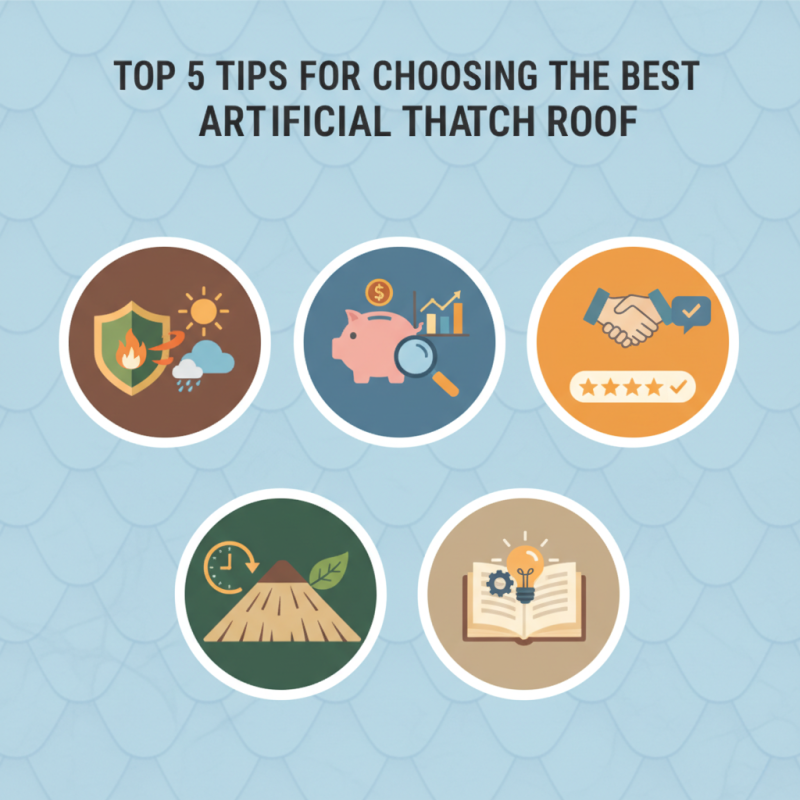
Choosing the right roofing material can significantly impact your home’s aesthetic and functionality. One popular option is the Artificial Thatch Roof. This type of roof mimics traditional thatch while offering modern benefits. Understanding what makes a great artificial thatch can help you make the best choice.
When considering an Artificial Thatch Roof, think about durability. Not all materials are created equal. Some may fade or deteriorate quickly. Look for products that stand up to harsh weather and maintain their appearance over time. A quality artificial thatch should also be fire-resistant, providing an extra layer of safety for your home.
Cost is another crucial factor. Artificial thatch roofs can vary greatly in price. Cheaper options might compromise quality, leading to repairs down the line. Compare different brands to find the best balance between cost and quality. Don't overlook warranties and customer reviews—they can indicate reliability. Ultimately, spending time on research can yield a beautiful, long-lasting roof that enhances your property.
Understanding the Basics of Artificial Thatch Roofs
When considering an artificial thatch roof, understanding its basics is crucial. Artificial thatch acts as a durable substitute for natural materials. Made from synthetic fibers, these roofs mimic the look of traditional thatch while providing resilience against harsh weather. A report from the National Roofing Contractors Association (NRCA) states that artificial materials can extend roof life by up to 30 years.
The aesthetic appeal of artificial thatch is often cited by homeowners. In many cases, it offers a unique, tropical look without the maintenance required by real thatch. A study showed that over 60% of homeowners prefer the visual benefits of artificial thatch over traditional roofing. However, potential buyers must remember that the initial costs can be higher.
Moreover, while the longevity of artificial thatch is impressive, installation quality is vital. Poor installation can lead to issues like leaks and reduced durability. Thus, it's essential to weigh the benefits against potential pitfalls. A trusted contractor’s expertise can significantly influence performance, as improper fitting may compromise the roof's intended lifespan. Balancing aesthetics with practical concerns will ultimately guide you toward the best choice for your needs.
Evaluating Material Quality for Durability and Aesthetics
Choosing the right artificial thatch roof can greatly impact both durability and aesthetics. Evaluating material quality is crucial. A recent industry report indicated that synthetic thatch roofs made from high-density polyethylene (HDPE) can withstand harsh weather conditions for over 30 years. This is significantly longer than traditional materials, making the initial investment more cost-effective.
When assessing materials, consider weight and texture. Heavier materials often resist wind better and provide a more realistic appearance. Ensure the product has UV protection to prevent fading. Usage of non-toxic materials is also essential for environmental sustainability. Not all synthetic options offer the same longevity or visual appeal.
Tip: Check for warranties that accompany the product. A reputable supplier will provide solid guarantees of durability. Spending a bit more may ensure you receive a superior product.
Another factor is how the material looks after a few years. Cheaper options may fade quickly or lose their original charm. A study found that aesthetics can significantly affect property value.
Tip: Look for samples before making your decision. Seeing the material firsthand can help you assess both texture and color vibrancy. Remember, the right choice plays a vital role in enhancing your property's visual appeal.
Assessing Installation Options and Methods for Your Roof
When considering the installation of an artificial thatch roof, choosing the right method is crucial. Begin by assessing your property's structure. Each home presents unique challenges. Some roofs require special support, while others can accommodate lighter options. Consult with a professional installer who understands your specific needs. They will help create a tailored plan that ensures stability and aesthetic appeal.
Another key factor is the installation technique itself. Various methods exist, such as overlaying existing materials or a full replacement. Both options have their merits, but they cater to different circumstances. Overlaying can reduce costs and labor time, while a full replacement offers a fresh start. Terrain and weather conditions also impact the choice. Reflect on how your local climate influences material performance and longevity.
Communication with your installer is vital. Clearly express your goals and expectations. It's essential to feel comfortable asking questions throughout the process. Installation can be complex. Mistakes might occur, leading to potential delays or extra costs. Keep in mind that continuous learning and adjustments can enhance the final outcome. Prioritize a collaborative approach to ensure a successful installation.
Top 5 Factors to Consider When Choosing Artificial Thatch Roofs
This chart represents the top five factors to consider when selecting the best artificial thatch roof, based on their relevance rated from 1 to 10.
Considering Climate and Weather Resistance for Longevity
When choosing an artificial thatch roof, it’s crucial to consider the climate. Different environments can severely impact the longevity of your roof. For instance, regions with high humidity may lead to mold and mildew while those with heavy winds might damage weaker materials. Selecting a durable roofing material can mean the difference between a roof that lasts and one that requires frequent repairs.
Weather resistance is equally important. Artificial thatch roofs can vary widely in their ability to withstand harsh elements. Fire resistance is a key feature to look for. Additionally, UV protection should not be overlooked. Roofs not equipped to handle intense sunlight may fade or become brittle over time. Inspecting product specifications can reveal essential details about these traits, allowing for an informed choice.
Designing for longevity also entails understanding maintenance needs. Some artificial thatch products may require frequent upkeep. Consider whether you have the time and resources for regular checks. A roof that needs constant attention can become more expensive in the long run. It’s essential to weigh the initial costs against the potential need for ongoing maintenance. Aim for an option that balances aesthetic appeal with practical durability, even if it may not look perfect.
Top 5 Tips for Choosing the Best Artificial Thatch Roof
| Tip |
Description |
Climate Consideration |
Weather Resistance |
| Material Quality |
Choose high-quality synthetic materials for durability. |
Suitable for various climates, especially humid areas. |
Resistant to UV rays and mold growth. |
| Installation Method |
Ensure proper installation to avoid leaks. |
Important for regions with heavy rainfall. |
Improves longevity under weather stress. |
| Color Selection |
Select colors that blend with your environment. |
Can affect temperature regulation in hotter climates. |
Darker colors may absorb more heat. |
| Fire Resistance |
Check for fire-rated materials. |
Essential in dry or wildfire-prone areas. |
Helps minimize fire hazards. |
| Maintenance Requirements |
Consider ease of upkeep for long-term performance. |
Varies by climate; some need more care. |
Less maintenance needed in storm-prone areas. |
Exploring Cost Factors and Budgeting for Your Artificial Thatch Roof
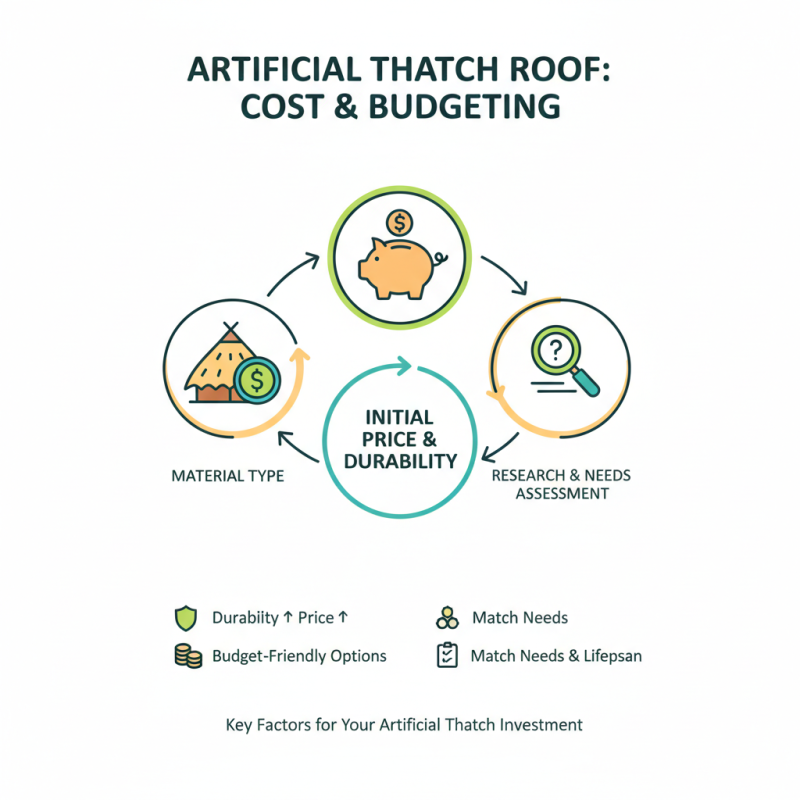
When budgeting for an artificial thatch roof, several factors come into play. The type of material greatly influences the overall cost. Some options offer more durability but may come with higher initial prices. Researching various materials can help narrow down a choice that fits your budget and needs.
Installation cost is another critical aspect. Hiring skilled professionals ensures the roof is installed correctly. However, labor costs can vary widely based on location and expertise. Always obtain multiple quotes to gauge the averages within your area. Furthermore, consider long-term savings. Investing in a high-quality roof may save money on repairs and replacements down the line.
Lastly, be mindful of additional features. Ventilation systems or insulation can increase the overall expense. These elements may improve energy efficiency, but it's essential to weigh their costs against potential savings. Reflecting on all these factors will aid in making a well-informed decision. Choose wisely, and allocate your budget with care.