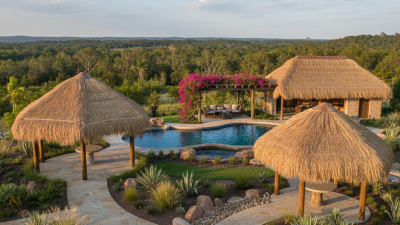
Top Benefits of Fireproof Artificial Thatch for Your Projects?
Fireproof Artificial Thatch is revolutionizing the construction and design industry. According to Dr. James Hartwell, a leading expert in sustainable building materials, "Fireproof Artificial Thatch combines beauty with safety, making it an ideal choice for diverse projects." This innovative material not only mimics the aesthetic appeal of traditional thatching but also offers enhanced fire safety features.
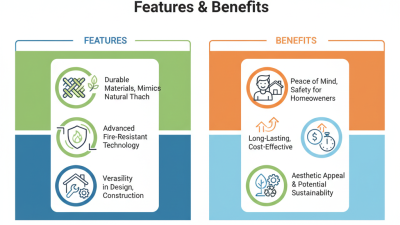
In an age where fire hazards are a growing concern, the benefits of Fireproof Artificial Thatch are clear. It provides a visually appealing solution without compromising on safety. The lightweight nature of the material makes it easy to install, reducing labor costs. Moreover, Fireproof Artificial Thatch is durable, ensuring long-term value for homeowners and builders alike.
While Fireproof Artificial Thatch presents many advantages, it’s essential for clients to consider their unique environments and climates. Some may overlook potential challenges in maintenance or compatibility with existing structures. Seeking advice from professionals ensures the best integration of this innovative material into any project. Ultimately, Fireproof Artificial Thatch stands out as a reliable option that enhances both aesthetics and safety.
Benefits of Fireproof Artificial Thatch in Outdoor Projects
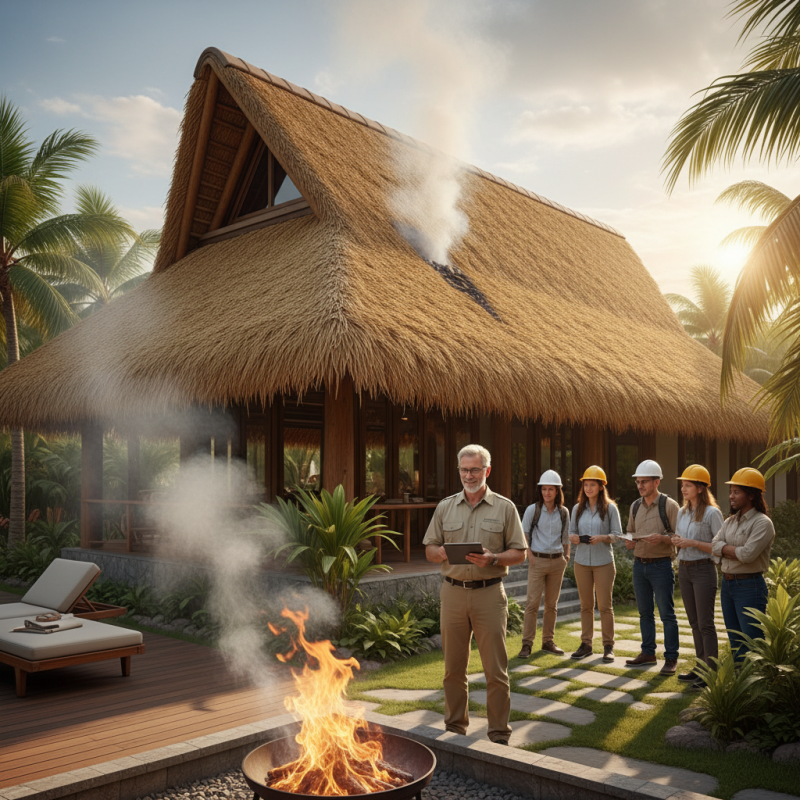
Fireproof artificial thatch has become increasingly popular in outdoor projects. One of its key benefits is its ability to resist flames effectively. This feature makes it safer for use in areas prone to wildfires. Unlike traditional thatch, which may catch fire easily, fireproof options provide peace of mind for homeowners and builders. They allow for creative designs without compromising safety.
Another advantage is durability. Fireproof artificial thatch can withstand harsh weather conditions, including heavy rain and strong winds. This resilience ensures that your outdoor spaces remain beautiful for years. Additionally, maintenance is minimal compared to natural materials. Regular cleaning is often all that’s needed, making it a practical choice for busy homeowners.
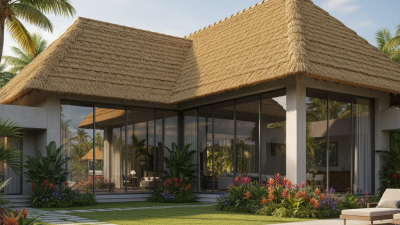
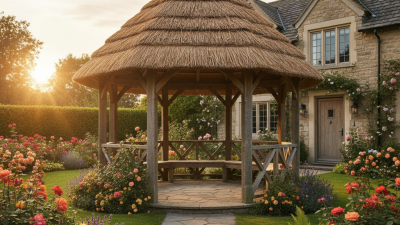
Using fireproof artificial thatch can elevate the aesthetic appeal of any exterior. It offers a charming, rustic look without the inherent risks of natural materials. Homeowners can create inviting spaces for gatherings while prioritizing safety. However, it's essential to consider installation costs and the material's overall longevity. Balancing aesthetics and practicality can be challenging, yet ultimately rewarding for outdoor projects.
Comparison of Fireproof vs. Traditional Thatch Materials
When it comes to thatch materials, fire safety is crucial. Traditional thatch, made from natural materials like straw, can pose significant fire risks. A report from the National Fire Protection Association states that over 20% of residential fires involve materials that can ignite easily. This statistic underscores the need for safer alternatives.
Fireproof artificial thatch is emerging as a viable solution. It mimics the appearance of natural thatch while providing enhanced fire resistance. According to recent industry studies, fireproof thatch can reduce fire spread by 80% compared to traditional alternatives. This statistic highlights its value for residential and commercial projects alike.
However, the transition to fireproof options is not without challenges. Some critics argue that artificial materials can look less authentic. Reports indicate that a small percentage of architects remain skeptical about aesthetics and longevity. Balancing safety with visual appeal requires careful consideration from designers and builders. These challenges remind us that improvements in technology can lead to both innovation and difficult questions.
Top Benefits of Fireproof Artificial Thatch vs. Traditional Thatch Materials
Durability and Longevity of Fireproof Artificial Thatch
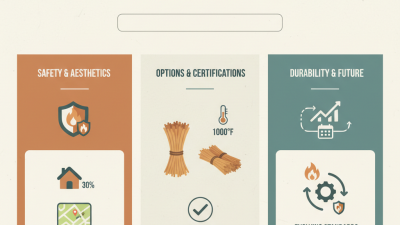
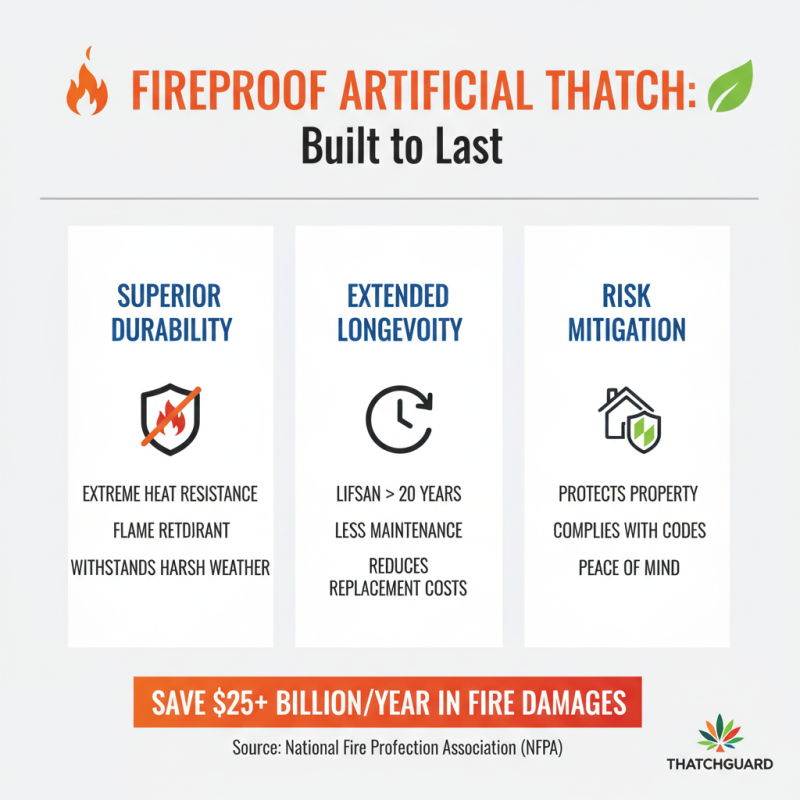
Fireproof artificial thatch provides impressive durability and longevity, making it a prime choice for various projects. According to the National Fire Protection Association, fire incidents can cause over $25 billion in property damage annually. Incorporating fireproof materials significantly mitigates this risk. Fireproof artificial thatch is designed to withstand extreme heat and flames, significantly extending its lifespan compared to traditional materials that often require replacement after only a few years.
In terms of longevity, research shows that fire-resistant thatch can last up to 20 years with minimal maintenance. Traditional thatch may deteriorate within five years under harsh weather conditions. It is essential to consider environmental factors; artificial thatch resists fading and damage, maintaining aesthetic appeal longer. Despite these benefits, some users may feel uncertain about the upfront investment. Still, balancing initial costs with longevity and safety justifies the choice for many projects.
Understanding the installation process can also be a challenge for professionals. Experts often report a learning curve when working with fireproof materials. Proper installation ensures these materials perform as intended. Therefore, investing time in training and education is necessary for optimal results.
Aesthetic Appeal of Fireproof Artificial Thatch Options
The aesthetic appeal of fireproof artificial thatch is reshaping architectural landscapes. This material offers the natural look of traditional thatch while providing enhanced safety. According to a 2021 industry report, over 50% of architects prefer fireproof options due to their ability to meet safety regulations without sacrificing design.
Fireproof artificial thatch comes in various styles and colors. These options allow designers to create unique aesthetics for different projects. Its versatility means it can mimic natural materials closely, making it suitable for residential and commercial applications. The National Association of Home Builders noted that more than 40% of homeowners prioritize safety features in their renovations.
While fireproof artificial thatch presents many advantages, potential drawbacks exist. Some might argue that it lacks the charm of original thatch. Additionally, there can be a price disparity compared to traditional materials. Balancing cost with safety is essential. As the trend moves toward safer construction, fireproof artificial thatch remains a compelling option worth considering.
Top Benefits of Fireproof Artificial Thatch for Your Projects
| Benefit |
Description |
Aesthetic Appeal |
Durability |
Maintenance |
| Fire Resistance |
Meets strict fire safety regulations. |
Can mimic natural thatch beautifully. |
Can withstand harsh weather conditions. |
Requires minimal upkeep compared to traditional materials. |
| Eco-Friendly |
Made from sustainable materials. |
Provides a unique, tropical aesthetic. |
Resists fading and degradation over time. |
Easy to clean with simple rinsing. |
| Cost-effective |
Long-lasting solution with lower replacement costs. |
Enhances property value with picturesque looks. |
Endures extreme temperatures without damage. |
No special cleaning products needed. |
| Versatility |
Suitable for various architectural styles. |
Available in multiple colors and styles. |
Holds up well in diverse climates. |
Requires less frequent repairs. |
Cost-Effectiveness of Fireproof Thatch in Long-Term Projects
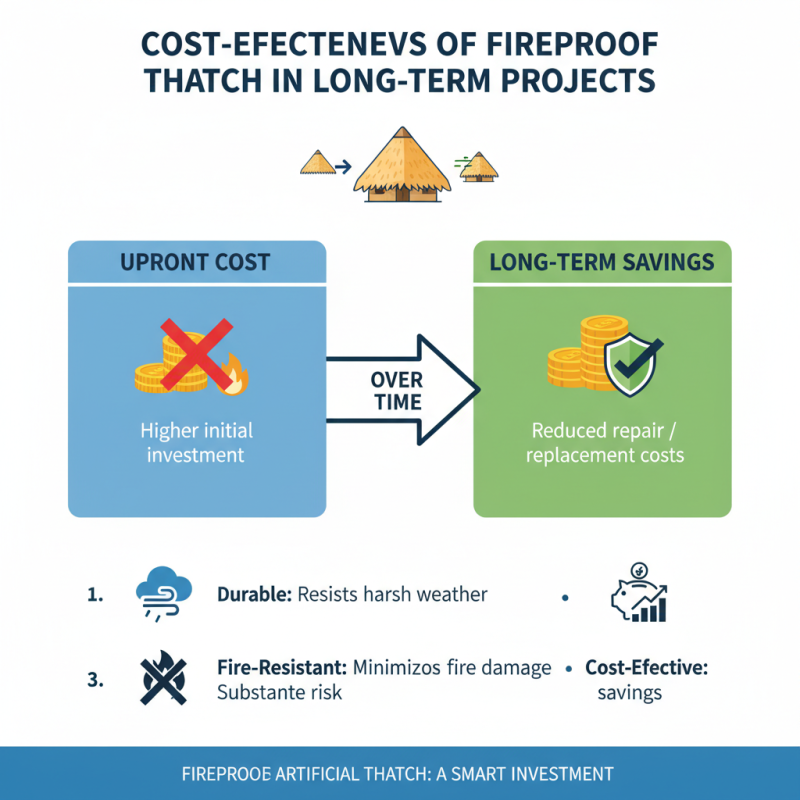
Fireproof artificial thatch is gaining popularity in various construction projects. One significant advantage of this material is its cost-effectiveness over time. While it may seem more expensive upfront, the long-term savings are substantial. This product is designed to withstand harsh weather conditions. It minimizes the risk of fire damage, which can be costly to repair.
In addition to safety, maintenance costs are lower. Traditional thatching requires frequent upkeep and replacement. Fireproof artificial thatch, however, remains durable for years. On average, property owners report that they spend 30% less on maintenance compared to natural thatch. This longevity also adds to the aesthetic value of the property without ongoing expenses.
However, it is essential to choose a trustworthy supplier. Ensuring that the materials meet safety standards is crucial. Some products may not deliver the expected fire resistance. This diligence helps avoid potential issues down the line. Understanding these aspects can lead to more informed decisions. Ultimately, investing in fireproof artificial thatch pays off in safety and savings.