How to Choose the Best Theme Park Synthetic Thatch for Your Project?
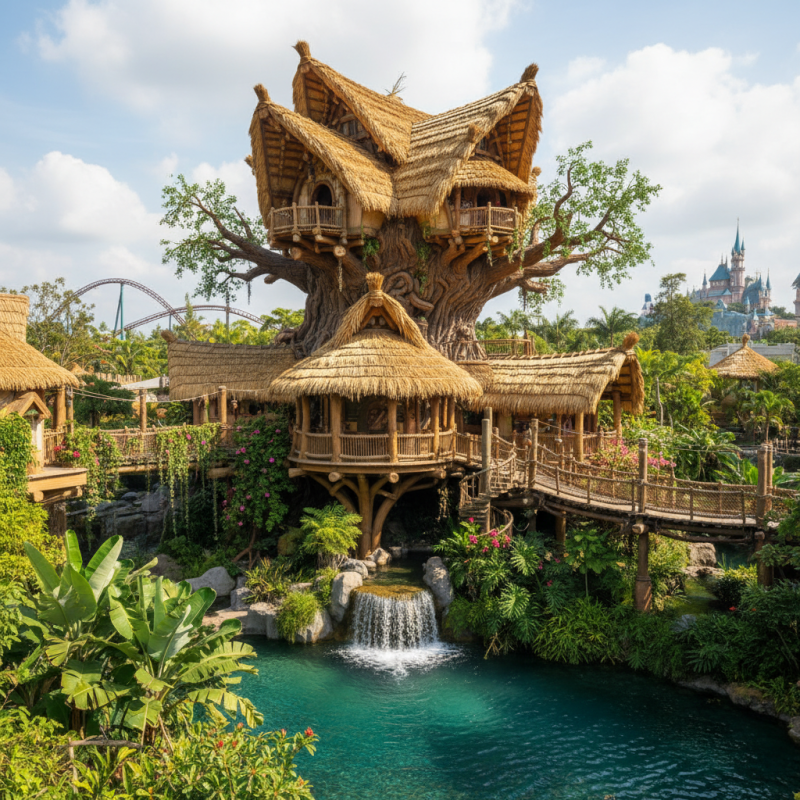
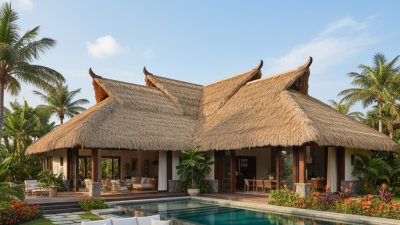
Creating an engaging theme park environment requires careful consideration. One crucial element is the choice of Theme Park Synthetic Thatch. This material can significantly enhance the aesthetic appeal. It mimics natural thatch while providing durability and weather resistance.
When selecting the right synthetic thatch, you should assess its quality and appearance. Not all manufacturers use the same materials or techniques. Researching and comparing options can save time and money in the long run. A well-informed decision ensures that your project stands out.
Think about the specific style you want to achieve. Some options may look great initially but lack longevity. You might face unexpected maintenance issues down the road. It's vital to weigh the pros and cons of each choice. Balancing beauty and practicality can be challenging but rewarding.
Understanding Synthetic Thatch Materials and Their Applications
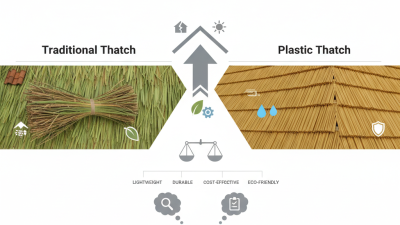
When selecting synthetic thatch for theme park projects, understanding the materials is vital. Synthetic thatch, often made from polypropylene or polyethylene, mimics natural materials like palm leaves. According to the National Association of Manufacturers, synthetic options can last up to 25 years with minimal maintenance. This longevity makes them attractive for commercial use.
Applications vary widely. Some parks use synthetic thatch for roofs, while others incorporate it in landscaping. A report from the American Society of Landscape Architects indicates that synthetic thatch can reduce costs by approximately 40% compared to traditional thatch. However, the visual appeal can sometimes fall short. It's essential to evaluate the desired aesthetic and how it fits into the overall design theme.
Environmental impact is another critical factor. Many synthetic thatch materials are recyclable, but they still contribute to plastic waste. Although they offer durability, some designers question their authenticity. The balance between longevity and natural appearance remains a topic of discussion.
How to Choose the Best Theme Park Synthetic Thatch for Your Project?
| Material Type |
Durability (Years) |
Fire Resistance |
UV Resistance |
Weight (lbs/sq ft) |
Applications |
| Polyester Thatch |
10-15 |
Yes |
Excellent |
1.5 |
Theme Parks, Resorts |
| Natural Thatch |
5-10 |
No |
Good |
2.0 |
Tropical Settings, Beach Areas |
| PVC Thatch |
15-20 |
Yes |
Excellent |
1.0 |
Permanent Structures, Cabins |
| Synthetic Blend Thatch |
10-15 |
Yes |
Very Good |
1.8 |
Water Parks, Amusement Parks |
Evaluating Durability and Maintenance Requirements for Theme Parks
When evaluating synthetic thatch for theme parks, durability is crucial. The material must withstand weather changes, UV exposure, and general wear. Look for thatch that is tested in various environments. Consider how heavy rains or strong winds can affect your choice. The wrong type of thatch might lead to costly repairs.
Maintenance is another important aspect. Some synthetic thatch types require more upkeep than others. A low-maintenance option can save time and money over the years. Regular inspections can prevent minor issues from escalating. Understand the maintenance frequency required for your chosen material. It is vital for long-term sustainability.
Tips for choosing synthetic thatch:
- Check for warranties. A good warranty indicates confidence in the material’s durability.
- Research maintenance needs before deciding. Some products look good but age poorly.
- Consider local climate. What works in one region may not be suitable in another.
Reflecting on your priorities can lead to better decisions. Thatch selection isn't just about aesthetics; it's about creating a lasting experience. Every choice impacts your park's upkeep. Balancing beauty with practicality is essential for success.
Design Considerations: Aesthetic Appeal and Integration with the Environment
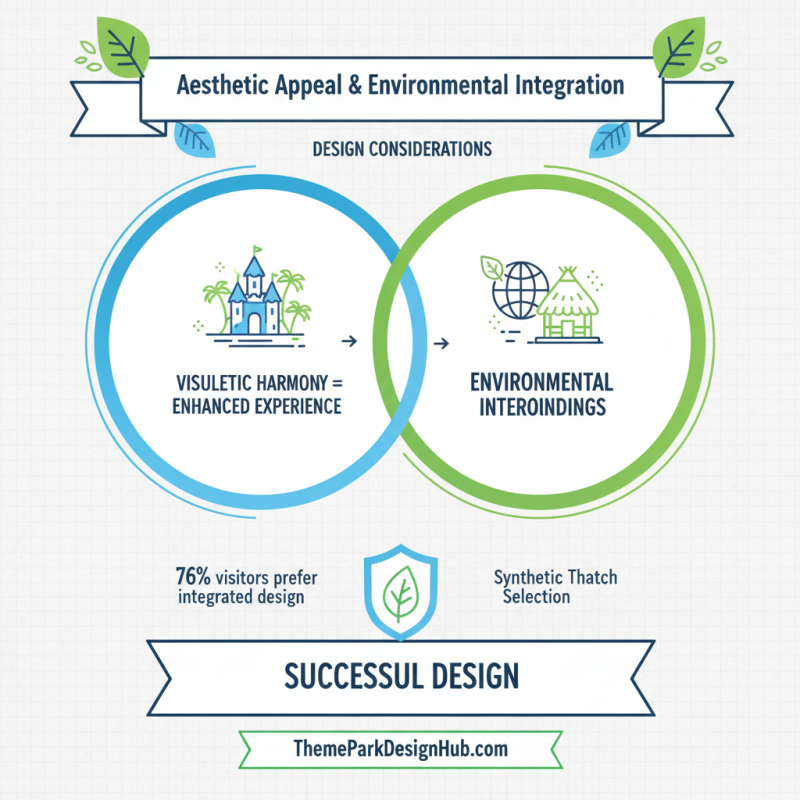
When designing a theme park, choosing synthetic thatch requires careful aesthetic and environmental considerations. The visual appeal of a park directly influences visitor experience. Reports show that 76% of visitors prefer attractions that harmonize with their surroundings. Thus, selecting the right synthetic thatch can enhance the overall atmosphere.
Integration with the environment is crucial. Synthetic thatch can mimic natural materials, yet it often lacks authenticity. Research indicates that while synthetic options reduce maintenance, they may appear less appealing over time. Parks must weigh the durability of synthetic materials against their visual impact. A carefully placed thatch structure can integrate into landscapes, creating immersive experiences that feel organic. However, poorly designed features may disrupt themes and lead to visitor dissatisfaction.
Additionally, local climate factors influence thatch durability and maintenance needs. For example, in humid regions, synthetic thatch can mold, detracting from its beauty. There’s a balance between functionality and style. Experimenting with different textures and colors can yield pleasing results, but achieving harmony requires thoughtfulness. It’s essential to assess how each element fits within the larger design narrative. That’s where reflection comes in; examining past installations can inform better choices for future projects.
Cost Analysis: Budgeting for Synthetic Thatch in Your Project
When budgeting for synthetic thatch in theme parks, understanding the costs involved is essential.
Reports indicate that synthetic thatch can range from $5 to $10 per square foot, depending on materials and durability. This contrasts sharply with natural thatch, which can cost upwards of $20 to $30 per square foot when factoring in maintenance.
Labor costs can also add significantly to the budget. Installation of synthetic thatch typically requires skilled labor, which can cost anywhere from $15 to $25 per hour. It's important to assess your project's scope and timeline. Delays can double installation costs. Therefore, accurate planning is crucial to avoid unexpected expenses.
Beyond initial costs, long-term savings must be considered. Synthetic thatch generally lasts longer and requires less maintenance. However, the upfront cost might seem steep. Evaluating the lifespan and return on investment is critical. Analyze potential wear and tear, especially in high-traffic areas. These insights will help ensure your project remains within budget while achieving aesthetic goals.
Compliance and Safety Standards for Theme Park Structures
When selecting synthetic thatch for theme park projects, compliance with safety standards is crucial. Structures must adhere to local regulations, ensuring the safety of visitors. According to a report by the International Association of Amusement Parks and Attractions (IAAPA), 94% of theme parks prioritize safety in their design. This commitment significantly reduces the risk of accidents and enhances guest experience.
Thatch materials should meet fire safety standards outlined in ASTM E84. This ensures that synthetic thatch can withstand flame spread. Collaborating with certified suppliers guarantees compliance with these standards. Additionally, regular inspections are recommended. A study by the National Fire Protection Association (NFPA) suggests that routine checks can decrease safety hazards by up to 30%.
Tips: Consider the installation process as well. Improper installation can lead to structural weaknesses. Engage experts who understand the nuances of synthetic thatch materials. Evaluate their previous projects to gain insights into their expertise. It’s vital to engage in continuous learning about emerging safety technologies in theme park designs. Regular updates on compliance are essential to maintain high standards and build trust with your guests.