Best Plastic Thatch Roof Solutions for Your Next Project?
When considering a roofing option that combines durability and aesthetic appeal, the Plastic Thatch Roof stands out. This innovative solution captures the charm of traditional thatch while offering modern benefits. Unlike natural thatch, which can deteriorate over time, plastic alternatives offer longevity and resilience against various weather conditions.
Many homeowners seek eco-friendly options for construction projects. The Plastic Thatch Roof not only meets this demand but also provides an extremely lightweight structure. This makes installation straightforward and cost-effective. Brokers and builders have seen growing interest in this roofing type, signaling a shift in preferences.
However, it's crucial to remember that not all plastic thatch products are created equal. Some may lack the recommended durability or visual appeal. Researching suppliers and materials can help ensure your investment pays off. When planning your next project, consider the benefits and drawbacks of a Plastic Thatch Roof, aligning your choice with your unique requirements.
Best Plastic Thatch Roof Solutions: Overview of Available Materials
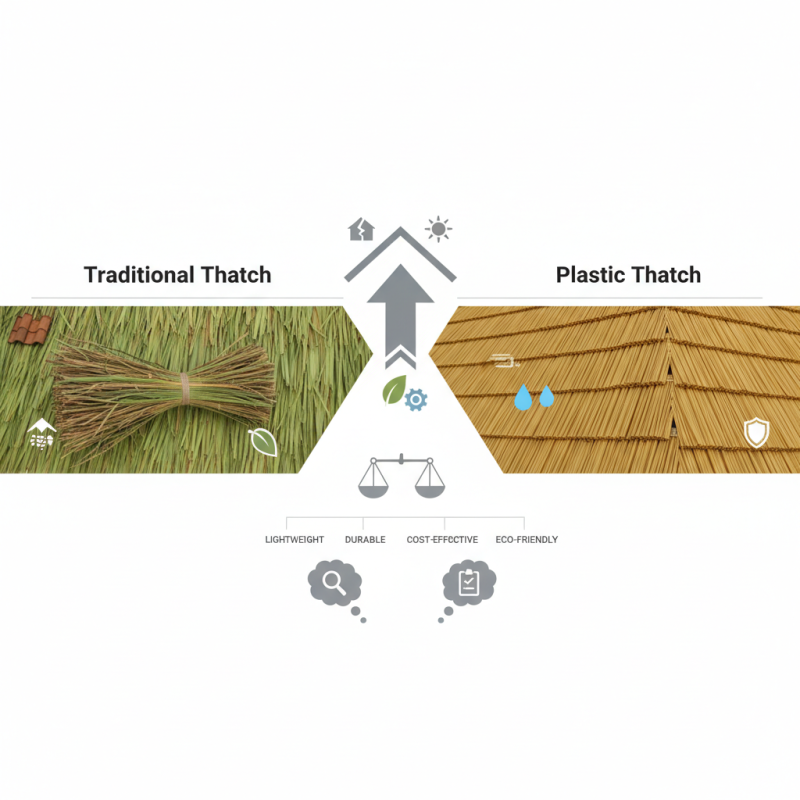
When exploring plastic thatch roof solutions, there are various materials to consider. Synthetic thatch offers durability while mimicking the look of natural thatch. It is resistant to harsh weather, making it a reliable choice for both residential and commercial projects. Polypropylene and PVC materials are popular options. They provide a lightweight alternative, saving on structural support costs.
Another significant aspect is maintenance. While natural thatch requires regular upkeep, plastic options are generally low-maintenance. This convenience can reduce long-term expenses. However, it is worth noting that the aesthetic appeal might vary. Some individuals find the synthetic appearance less authentic. Therefore, assessing the balance between looks and functionality is important.
Budget constraints often influence material choice. Plastic thatching can be more cost-effective upfront, yet the longevity can offset higher initial investments in some cases. Evaluating the total cost of ownership ensures informed decisions. The market has expanded, so availability varies widely. Researching supplier reliability is essential for ensuring quality materials with warranties.
Best Plastic Thatch Roof Solutions: Overview of Available Materials
| Material Type |
Durability |
Weight |
Cost per Square Foot |
Installation Time |
| PVC Thatch |
15-20 years |
Lightweight |
$4 - $6 |
1-2 days |
| Polyester Thatch |
10-15 years |
Moderate |
$3 - $5 |
2-3 days |
| HDPE Thatch |
20-25 years |
Heavy |
$5 - $8 |
2-4 days |
| Polypropylene Thatch |
12-18 years |
Lightweight |
$3 - $7 |
1-2 days |
| Fiberglass Thatch |
20-30 years |
Heavy |
$6 - $9 |
2-5 days |
Benefits of Plastic Thatch Roofs Compared to Traditional Thatching Methods
Plastic thatch roofs offer various advantages over traditional thatching methods. One significant benefit is durability. According to a report by the International Thatching Association, traditional thatched roofs can last about 20 to 40 years, while plastic alternatives can exceed 50 years. This longevity translates to fewer replacements and maintenance costs over time.
Another notable advantage is fire resistance. A study from the National Institute of Building Sciences indicates that plastic thatch roofs have a much lower risk of fire compared to organic materials. This feature enhances safety, particularly in areas prone to wildfires. Additionally, plastic roofs are resistant to rot and pest infestations, common issues with natural thatching.
Environmental factors also play a role in the choice of roofing materials. The U.S. Green Building Council highlights that plastic roofs are often made from recycled materials. This not only reduces waste but also lowers the carbon footprint. Some may argue that plastic lacks the aesthetic charm of traditional thatch. However, advancements in manufacturing have led to realistic and appealing designs that can closely mimic natural thatch.
Industry Statistics: Usage Trends of Plastic Thatch Roofs in 2023
In 2023, the demand for plastic thatch roofs continues to rise. These roofs offer an appealing aesthetic while being more durable than traditional options. They mimic natural materials but require less maintenance. Industry statistics show a significant growth in the usage of plastic thatch, driven by sustainability trends.
In recent years, designers and architects have increasingly considered alternative roofing materials. The versatility of plastic thatch allows it to suit various architectural styles. However, some projects may struggle with installation challenges, which can often lead to delays. Seeking professional expertise can help mitigate these issues.
Despite the growing popularity, there are still questions about longevity and environmental impact. Some users report fading colors over time or concerns about UV resistance. Addressing these potential flaws is vital for broader acceptance. Collaboration with industry experts can lead to better solutions and innovations in plastic thatch technologies.
Usage Trends of Plastic Thatch Roofs in 2023
Key Considerations for Selecting the Right Plastic Thatch Solution
When selecting a plastic thatch roof solution, several key considerations come into play. The durability and weather resistance of the material are paramount. Reports indicate that high-quality plastic thatch roofs can last over 25 years, withstanding harsh weather conditions. This longevity makes them a popular alternative to traditional thatch. Additionally, consider the environmental impact. Many options on the market today are made from recyclable materials, supporting eco-friendly initiatives.
Cost is another critical factor. On average, installation costs for plastic thatch roofs are about 20% less than natural thatch. However, hidden costs may arise, such as maintenance or installation fees, which can affect your budget. Be sure to obtain detailed quotes from several suppliers to ensure transparency.
Tip: Always request samples before making a decision. This allows you to examine the texture and aesthetics in person, ensuring they meet your project's requirements. Additionally, check for warranties or guarantees offered by the manufacturer, as this can provide peace of mind regarding your investment.
Another crucial aspect is local regulations. Some areas may have strict codes regarding roofing materials. It’s essential to verify compliance to avoid potential legal issues. Always consult with local authorities to stay informed.
Maintenance and Longevity: Lifespan of Plastic Thatch Roofs versus Natural Materials
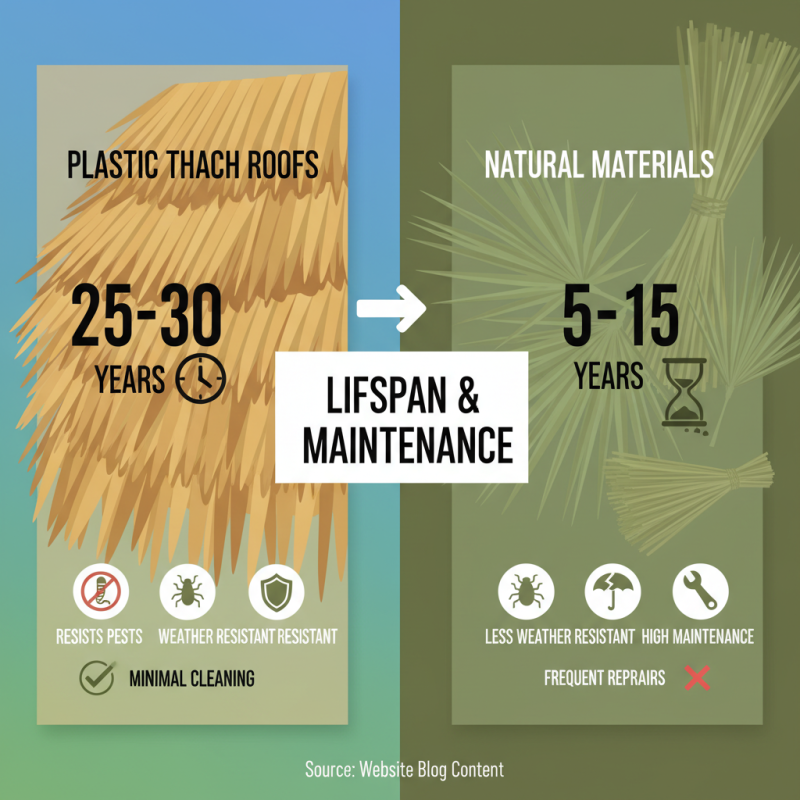
When considering the lifespan of plastic thatch roofs compared to natural materials, the differences are quite striking. Plastic thatch roofs typically offer around 25-30 years of reliable service. This durability is appealing for homeowners seeking longevity. They resist rot, pests, and harsh weather better than organic options. Maintenance is generally minimal, requiring occasional cleaning to remove debris.
On the other hand, natural thatch may last only 10-20 years, depending on the material and environmental conditions. While they provide beautiful aesthetics, their installation often requires more upkeep. Mold and decay can quickly undermine their structural integrity. This leads to higher maintenance costs over time. However, many still prefer the traditional appeal of natural materials, despite the drawbacks.
It’s essential to weigh these factors carefully. Opting for plastic thatch can be a considerable investment. Yet, the benefits of longevity and ease of care are tangible. Reflecting on these aspects can guide homeowners in making informed decisions for their upcoming projects.