10 Best Artificial Thatch Roof Options for Your Home?
In the world of roofing, choosing the right materials is vital. An expert in the field, Dr. Emily Johnson, emphasizes, "An Artificial Thatch Roof combines beauty and durability." These roofs offer a unique aesthetic while addressing practical concerns such as longevity and maintenance.
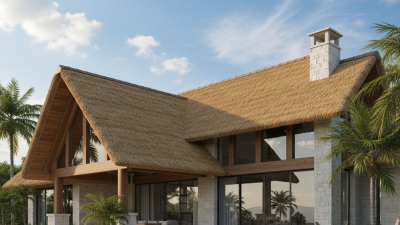
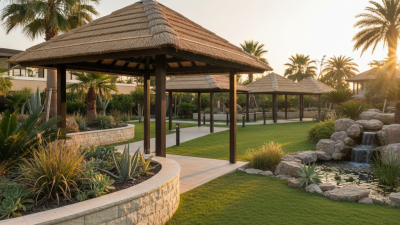
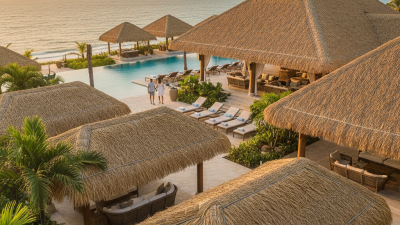
Artificial Thatch Roof options provide an enticing alternative to traditional thatch. Homeowners can achieve a tropical or coastal vibe with less upkeep. These roofs mimic the natural look of palm or reed thatch, enhancing curb appeal. They are especially beneficial in regions where natural thatch may not thrive due to climate.
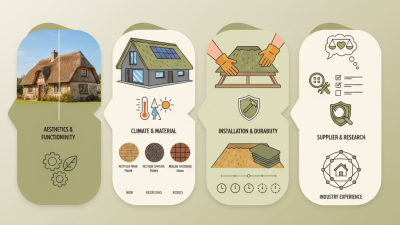
However, selecting the best Artificial Thatch Roof can be challenging. The market offers various styles and materials, each with pros and cons. Not all options suit every home. An informed choice requires weighing aesthetics against performance. Engaging with experts or conducting thorough research can greatly assist in this process.
Top Benefits of Using Artificial Thatch Roofs for Home Design
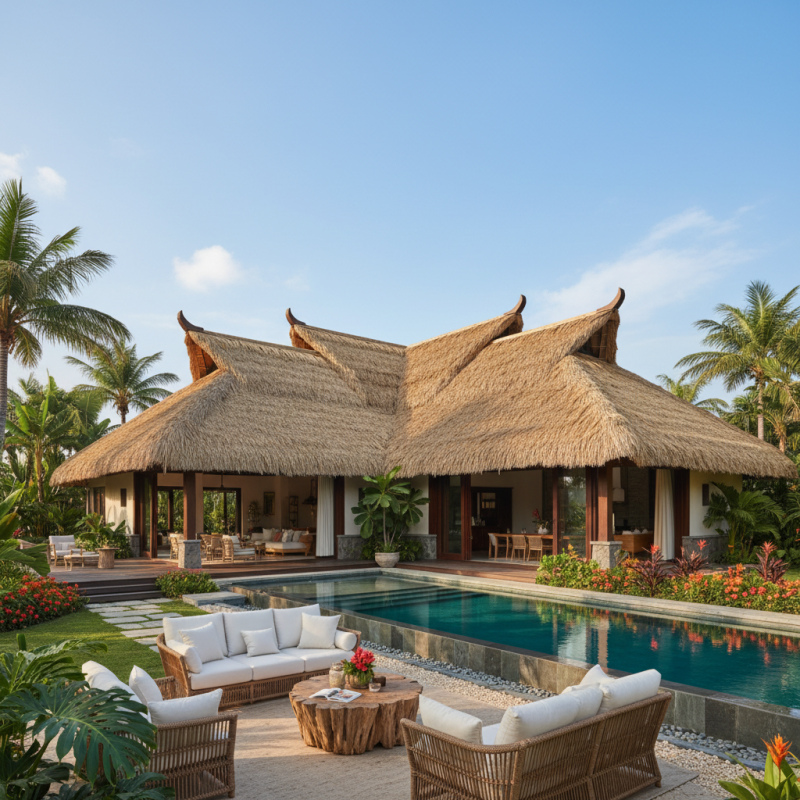
Artificial thatch roofs offer a unique aesthetic for home designs. Their charming appearance mimics natural thatch, providing a tropical feel without the drawbacks of real materials. One major benefit is their durability. Unlike natural thatch, which can suffer from decay, artificial versions resist weathering and insects effectively. This resilience means homeowners can enjoy the beauty of thatch with less maintenance.
Another advantage is energy efficiency. Artificial thatch provides insulation, keeping homes cooler in summer and warmer in winter. The unique structure helps regulate temperatures. This can lead to lower energy bills over time. It's a practical choice for sustainable living and cost savings.
Tips: When considering installation, focus on quality and realism. Look for options that blend well with your environment. Also, think about the overall architecture of your home. Artificial thatch should enhance your design, not clash with it. If you’re unsure, consult a professional to explore your options. This investment is not just aesthetic; it reflects personal taste and value.
Key Materials Used in Artificial Thatch Roof Options
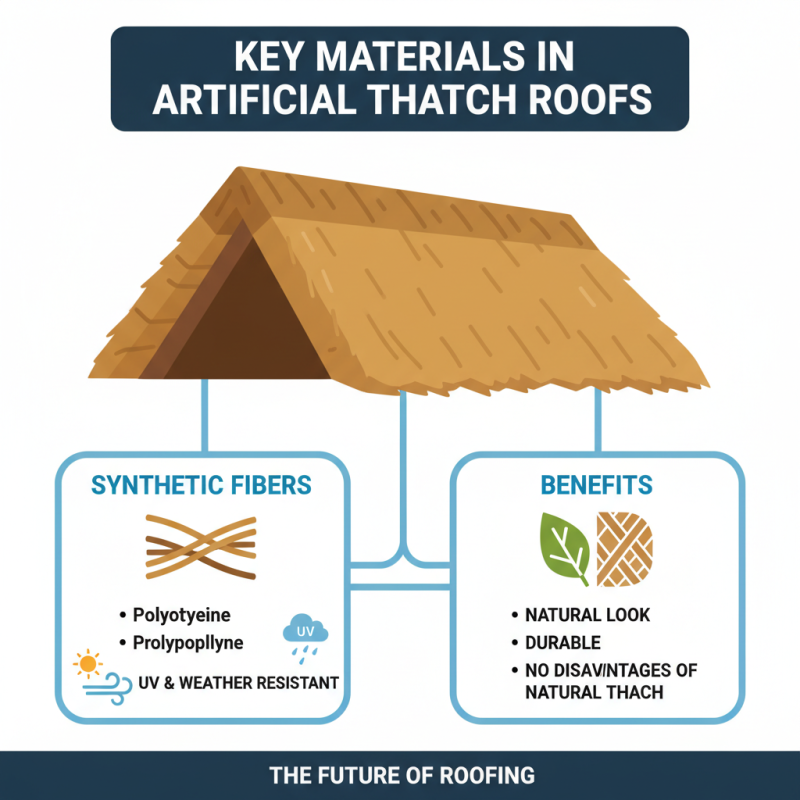
Artificial thatch roofs have grown in popularity due to their natural look and durability. Understanding the key materials used in these roofs is crucial. Synthetic fibers, such as polyethylene and polypropylene, are commonly used. They provide excellent resistance to UV rays and harsh weather. These materials mimic genuine thatch without the disadvantages of natural options.
Another important component is the backing material. High-quality backing, often made from fiberglass or polyester, enhances the roof's durability. This supports the synthetic fibers, ensuring stability over time. While the visual allure of these roofs is significant, the underlying materials are equally essential for longevity.
Installation varies and can influence the lifespan of an artificial thatch roof. Some options may require more maintenance than others. This variability draws attention to quality control during installation. Considerations like climate and location are vital. Each home's needs differ, reflecting the complexity of the decision-making process for homeowners.
Comparative Analysis of Design Styles in Thatch Roofing
When considering thatch roofing, design style plays a crucial role. Various options can complement different architectural aesthetics. Traditional thatch, made from natural materials, offers a rustic and cozy feel. This style evokes a sense of nostalgia, appealing to those who love historical homes. However, its maintenance can be challenging. Over time, natural materials may degrade, requiring regular upkeep.
On the other hand, synthetic thatch provides modern solutions. It mimics the look of traditional thatch without the same level of care. Many homeowners find this appealing. The durable materials resist fading and weathering, ensuring longevity. But some find it lacks the authentic charm of natural thatch. Choosing the right option requires careful thought about design intent and lifestyle needs.
Incorporating the right thatch style requires awareness of local context. The choice between traditional and synthetic impacts not only aesthetics but also functionality. Factors such as climate and exposure should guide the decision. Reflecting on these elements leads to a more informed choice. A well-considered design can enhance both the beauty and value of a home.
Comparative Analysis of 10 Best Artificial Thatch Roof Options
This chart compares the cost per square meter for various artificial thatch roof options. It highlights the affordability of each type while providing a visual overview of the different materials available for roofing in a thatched style.
Maintenance Tips for Longevity of Artificial Thatch Roofs
Keeping an artificial thatch roof in good shape is essential for its longevity. Regular inspections are crucial. Look for signs of wear, such as fraying or fading. Debris can accumulate, leading to moisture retention. Clear leaves, twigs, and dirt often. This will help prevent mold and mildew growth.
Cleaning your artificial thatch roof is important. Use a soft brush and mild soap. Harsh chemicals can damage the material. Rinse thoroughly to avoid residue. Sun exposure can fade colors over time. Consider applying UV protective spray if your roof is exposed to direct sunlight.
Another key aspect is ventilation. Proper airflow prevents moisture buildup, which can lead to deterioration. If your roof is low-pitched, ensure it has adequate eaves or ridges for airflow. Regular maintenance ensures your artificial thatch roof stays beautiful and functional for many years. The effort you put into care will reflect in its appearance and durability.
Cost Considerations for Installing Artificial Thatch Roofing
When considering artificial thatch roofing, understanding costs is essential. The upfront investment can vary widely based on several factors. Materials, installation, and location play significant roles. Generally, a synthetic thatch roof might cost between $10 to $20 per square foot. This price often includes both materials and labor, but additional factors can influence the final bill. An experienced installer may charge more, but their expertise can save you money in repairs later.
Maintenance costs should not be overlooked. While artificial thatch requires less upkeep than natural options, occasional repairs can arise. You might also need to consider potential structural reinforcements, depending on your roof's current condition. These unexpected costs can add up and should be part of your budget.
While the aesthetic appeal of artificial thatch is undeniable, the decision isn't so straightforward. Weighing initial costs against long-term maintenance is key. Some homeowners might find themselves regretting their choice if they didn’t fully understand the ongoing expenses. Balancing beauty with practicality is crucial to making a well-informed decision.
10 Best Artificial Thatch Roof Options for Your Home
| Option |
Material Type |
Lifespan (Years) |
Cost per Square Foot ($) |
UV Resistance |
Fire Resistance |
| Synthetic Thatch 1 |
PVC |
30 |
6.00 |
Excellent |
Yes |
| Synthetic Thatch 2 |
Polyethylene |
25 |
5.50 |
Good |
No |
| Synthetic Thatch 3 |
Tropical Palm |
15 |
7.00 |
Fair |
No |
| Synthetic Thatch 4 |
Thatched Fiber |
20 |
5.00 |
Excellent |
Yes |
| Synthetic Thatch 5 |
Recycled Materials |
12 |
4.50 |
Good |
No |
| Synthetic Thatch 6 |
Polyester |
18 |
5.75 |
Excellent |
Yes |
| Synthetic Thatch 7 |
Vinyl |
25 |
6.50 |
Good |
Yes |
| Synthetic Thatch 8 |
Natural Fiber |
10 |
4.00 |
Fair |
No |
| Synthetic Thatch 9 |
Synthetic Blends |
20 |
6.20 |
Excellent |
Yes |
| Synthetic Thatch 10 |
Fiberglass |
22 |
7.50 |
Good |
Yes |