What Is the Best Material for Theme Park Roof Tiles?
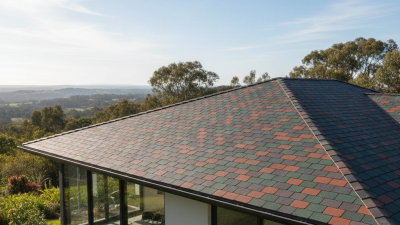
Choosing the best material for Theme Park Roof Tiles is rarely a simple design decision. A roof must survive intense sunlight, heavy rain, strong winds, and constant visitor activity. It must also support the park’s story. A Mediterranean village may need textured clay tiles, while a futuristic zone may require lightweight metal or engineered composite panels.
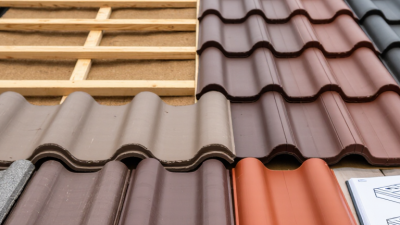
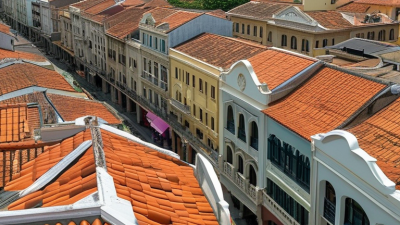
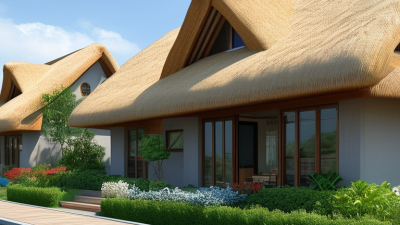
From practical projects, the strongest choice usually balances appearance, weight, durability, fire performance, and maintenance access. Concrete tiles can provide impressive texture and impact resistance. Clay tiles offer authentic color variation and a handcrafted feeling. Metal tiles reduce structural weight, but they may create unwanted heat or rain noise without proper insulation. Composite materials can imitate historic forms, although some products may feel less convincing up close.
Former Walt Disney Imagineering design leader John Hench wrote, “The way to create a great theme park is to design it as a whole, as a complete environment.” This principle applies directly to Theme Park Roof Tiles. A roof is not only a protective surface. It frames skylines, controls visual rhythm, and affects how guests remember a themed street.
There is no universal winner.
The best material depends on climate, roof structure, theme accuracy, budget, and replacement planning. An attractive tile can become a poor choice if cracked pieces are difficult to source. A durable system may also look too uniform. That tension deserves honest attention. This guide compares the leading materials and examines where each option performs well, where it struggles, and why the cheapest decision may not remain economical over time.
Key Performance Requirements for Theme Park Roof Tiles
What Is the Best Material for Theme Park Roof Tiles?
Key Performance Requirements for Theme Park Roof Tiles
Choosing roof tiles for a theme park is not simply a design decision. The best material must balance safety, weather resistance, appearance, and service life. In practice, reinforced concrete, fired clay, and engineered polymer tiles can all work. The right choice depends on climate, roof structure, and visitor protection. Looks matter too.
Strong wind is a major concern on large, exposed roofs. Tiles need reliable fixing systems and tested resistance to uplift. In coastal parks, salt and constant humidity can accelerate corrosion around fasteners. Hot surfaces also demand stable materials that resist ultraviolet exposure and repeated expansion.
Heavy rain should drain quickly, without allowing water to reach the deck. Fire performance deserves careful review, especially above crowded indoor spaces.
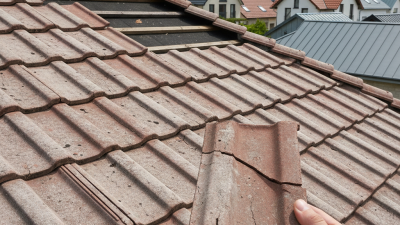
Maintenance teams should inspect cracked tiles, loose fixings, blocked drainage, and fading surfaces. A tile that survives a storm but breaks during cleaning is still a poor choice. Weight matters. Heavy systems may require stronger supporting members, increasing construction cost. Lightweight options reduce structural demand, but some feel less authentic and may age unevenly.
No material is perfect. I would specify samples, full-scale fixing tests, slip-safe access routes, and a documented replacement plan before approval. These details should be checked against local wind, fire, and drainage requirements. Even then, changing weather can expose weaknesses that laboratory testing misses.
Safety, Weather Resistance, and Visitor Protection
What Is the Best Material for Theme Park Roof Tiles?
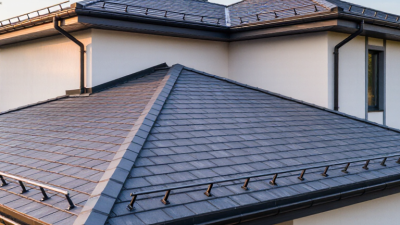
In my experience, coated metal roof tiles offer the strongest balance for theme parks. They are lightweight, durable, and usually resistant to fire and heavy rain. Their interlocking edges can reduce wind-driven water entry. This matters above crowded walkways and queue areas. A loose tile can become a serious hazard. Metal also supports wide roof structures without adding excessive weight.
Safety depends on more than the tile itself. Engineers should check fixing systems, roof edges, drainage paths, and maintenance access. Surfaces need reliable slip resistance where staff may walk during inspections. Light-colored coatings can reduce heat beneath the roof. However, metal may amplify rain noise and transfer heat quickly. Insulation and suitable underlayment are essential. Small details matter.
Weather resistance requires local testing. Coastal parks face salt, while inland sites may experience hail, snow, or intense sunlight. A material that performs well in one region may fail elsewhere. I have seen attractive roof designs develop stains around poorly planned drains. That mistake is easy to overlook. Regular inspections should examine corrosion, cracked sealants, blocked gutters, and loosened fasteners. Fiber-cement or composite tiles can also work, but their weight and impact performance need careful review. The safest choice is not always the most decorative one. It is the system that protects visitors consistently, even after years of storms, repairs, and crowded operating days.
What Is the Best Material for Theme Park Roof Tiles? - Safety, Weather Resistance, and Visitor Protection
| Roof Tile Material |
Typical Weight
(kg/m²) |
Typical Service Life
(years) |
Fire Performance |
Weather Resistance |
Visitor Protection Considerations |
Overall Suitability |
| Clay Tiles |
35–70 |
50–100+ |
Generally non-combustible; exact classification depends on the complete roof assembly. |
Excellent resistance to ultraviolet exposure, rain, and temperature changes; vulnerable to cracking from severe impact or freeze–thaw conditions. |
Heavy and stable when correctly fixed. Broken pieces can fall, so regular inspections and secure ridge, verge, and edge details are important. |
Excellent |
| Concrete Tiles |
40–60 |
50+ |
Generally non-combustible; classification must be verified for the selected product and roof build-up. |
Good resistance to wind-driven rain and sunlight; performance may decline if porous tiles absorb water and experience repeated freeze–thaw cycles. |
High mass can reduce movement during storms, but the supporting structure must be designed for the load. Damaged tiles require prompt replacement above public areas. |
Excellent |
| Stone-Coated Steel Tiles |
5–8 |
40–70 |
Steel is non-combustible, but surface coatings, insulation, membranes, and ventilation layers must be assessed as a complete system. |
Very good wind and rain performance when mechanically fixed; exposed cut edges, fasteners, and damaged coatings require corrosion control. |
Low mass reduces structural demand and many systems use concealed or positive mechanical fixing. Underlay and acoustic treatment help reduce rain noise above visitor zones. |
Excellent |
| Fiber-Cement Tiles |
12–18 |
30–50 |
Many products have strong fire performance, but the declared rating must be checked for the specific tile and assembly. |
Good resistance to rain and sunlight when installed with correct overlaps; edges and fixing holes may be vulnerable to impact or installation damage. |
Lighter than concrete or clay, but brittle panels can fracture if mishandled. Use approved fixings, maintenance walkways, and exclusion zones during repairs. |
Very Good |
| Aluminum Roof Tiles |
2–5 |
40–60 |
Metal substrate is non-combustible; coatings, insulation, and joints influence the final fire classification. |
Excellent resistance to corrosion in many environments, although coastal or polluted locations require suitable alloys, coatings, and compatible fasteners. |
Very low structural load and good resistance to moisture. The design must control uplift, thermal movement, sharp edges, glare, and rain noise. |
Excellent |
Selection note: For a theme park, the best practical choice is typically a mechanically fixed metal tile system where low structural weight, wind resistance, corrosion control, and reduced risk of falling fragments are priorities. Clay or concrete tiles can be excellent for themed architecture when the structure, fixings, inspection access, and impact protection are properly engineered. Values shown are typical industry ranges and must be verified against local building codes, fire regulations, wind calculations, and the manufacturer’s tested roof assembly.
Installation, Maintenance, and Life-Cycle Costs
What Is the Best Material for Theme Park Roof Tiles?
Installation decisions often control a roof’s real cost. Concrete and clay tiles resist ultraviolet exposure, rain, and repeated temperature changes. However, they require strong structural support. The Tile Roofing Industry Alliance reports that properly installed tile roofs can exceed 50 years of service. That lifespan is attractive for large attractions with expensive closures. Metal tiles weigh less and install faster, but thermal movement requires careful fastening and detailing. A small flashing mistake can become a major leak.
Maintenance remains constant, even with durable materials. The National Roofing Contractors Association recommends roof inspections at least twice yearly, plus checks after severe weather. Park operators should inspect fasteners, ridge caps, drainage channels, and cracked tiles. Salt air, food grease, and airborne dust can accelerate surface deterioration. They are easy to overlook. A practical maintenance plan should reserve access paths and replacement tiles during the original installation.
Life-cycle cost needs more than purchase price. RSMeans 2024 Construction Cost Data shows that labor and regional conditions can significantly change installed roofing costs. A lighter system may reduce structural reinforcement expenses. A heavier tile system may reduce replacement frequency. The U.S. Environmental Protection Agency reports that reflective roofs can reduce peak cooling demand by approximately 10–30 percent in air-conditioned buildings. That benefit depends on climate, insulation, and roof design. I would not choose a material from lifespan claims alone. Visitor safety, shutdown costs, cleaning access, and future labor availability deserve equal weight.
Selecting the Best Material for Each Theme Park Area
What Is the Best Material for Theme Park Roof Tiles?
Selecting the Best Material for Each Theme Park Area
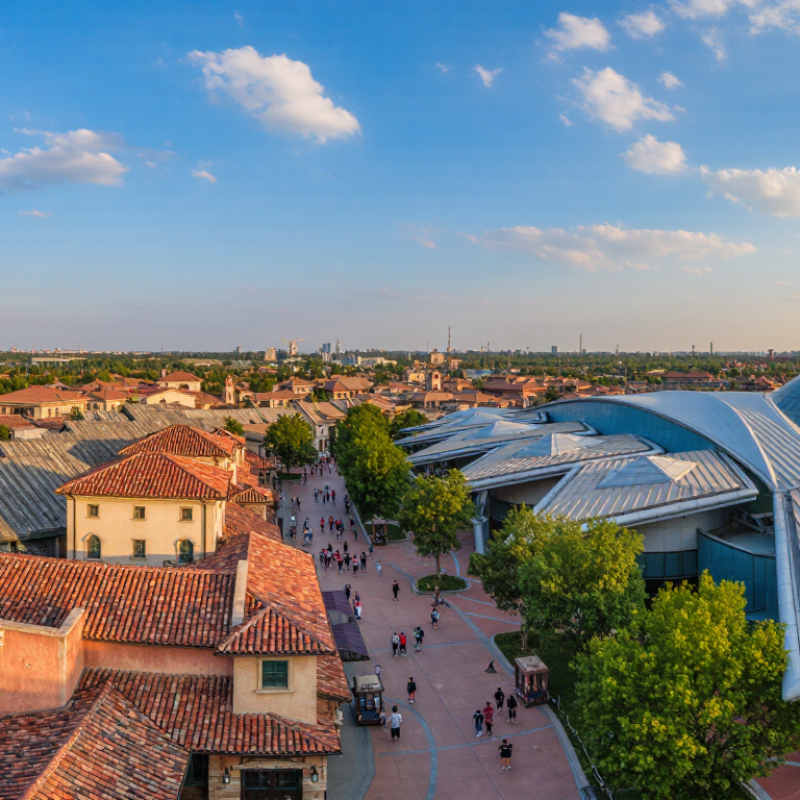
Roof tile selection should follow each area’s heat, noise, wind, and maintenance conditions. At main entrances, colored clay or concrete tiles create a strong visual identity. Their mass also reduces some rain noise. However, heavy tiles require stronger structural framing and careful seismic review. ASCE 7-22 requires designers to assess site-specific wind, snow, and rain loads. A standard roof detail is rarely enough.
Water-ride zones need materials that tolerate constant moisture and cleaning chemicals. Coated aluminum or corrosion-resistant steel often suits these areas better than porous tile. For food courts, reflective metal panels can reduce heat absorption. The U.S. Department of Energy reports that cool roof surfaces may stay up to 50°F cooler than conventional roofs under similar conditions. ASTM E1980 helps measure solar reflectance and thermal emittance through the Solar Reflectance Index.
Quiet guest areas need a different decision. Clay tile may support a calmer atmosphere, while lightweight composite panels reduce structural demand above theaters or indoor queues. Service buildings can prioritize low cost and easy replacement. The 2023 NRCA Roofing Manual emphasizes drainage, flashing, and maintainability, not appearance alone. I once favored uniform tile across an entire site. That approach looked organized, but it complicated repairs and ignored local exposure.
A beautiful roof can still be the wrong roof.