Pantile Tiles Buying Guide Tips for Global Shoppers?
When considering a purchase for Pantile Tiles, it can be overwhelming. These unique roofing materials capture both beauty and function. Pantile Tiles are popular for their distinctive shapes and durability. They are valued for their weather resistance and aesthetic appeal, which can enhance any building.
Shopping for Pantile Tiles requires careful consideration of various factors. Quality and design should be top priorities. It's important to explore different styles and materials. Some shoppers may find it challenging to assess the quality of tiles. While some options may appear attractive, they may not provide long-lasting performance.
Additionally, regional variations can affect availability. It's essential to seek reliable suppliers to avoid low-quality products. Global shoppers must ensure they understand shipping and handling factors. Choosing the right Pantile Tiles involves research and thoughtful decision-making. Comfort in this process leads to better investments for your home or project.

Understanding Pantile Tiles: Types and Features
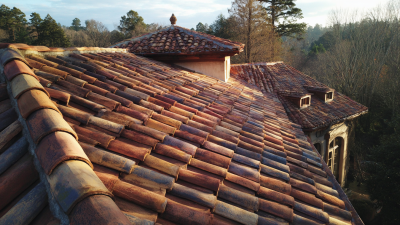
When selecting pantile tiles, understanding their types and features is essential for informed decisions. Pantile tiles are traditionally curved, providing a distinctive look. They are often associated with Mediterranean and some European architectural styles. There are two main categories: the Spanish pantile and the Dutch pantile. The Spanish variant has a more pronounced curve, while the Dutch option appears flatter. This affects the overall aesthetic and functionality.
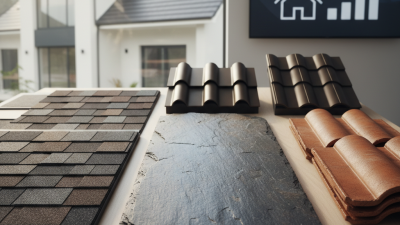
The material of pantile tiles varies widely. Options include clay, concrete, and even slate. Clay tiles are lightweight and resistant to damage. They also have great thermal properties, making them ideal for warmer climates. In contrast, concrete tiles are heavier and tend to be more durable. The choice of material will impact longevity and maintenance requirements.
One aspect worth considering is installation. The curve of the tiles can complicate the process. Incorrect installation may lead to leaks or damage over time. Understanding local climate conditions can also influence your choice of tile. Reflecting on these details ensures a more satisfactory outcome. Pantile tiles are a beautiful option but require careful thought.
Pantile Tiles Buying Guide Tips for Global Shoppers
| Type |
Material |
Features |
Color Options |
Average Cost (per square meter) |
| Traditional Clay Pantile |
Clay |
Highly durable, excellent weather resistance |
Red, Brown, Green |
$30 - $50 |
| Concrete Pantile |
Concrete |
Cost-effective, good insulation |
Gray, Red, Blue |
$20 - $40 |
| Synthetic Pantile |
Plastic/Composite |
Lightweight, easy to install |
Black, Brown, Slate |
$15 - $35 |
| Terracotta Pantile |
Terracotta |
Classic aesthetic, porosity allows for breathability |
Rust, Earth tones |
$40 - $70 |
Key Factors to Consider When Buying Pantile Tiles
When buying pantile tiles, several key factors come into play. First, consider the material. Clay pantiles are durable and offer a traditional aesthetic. Concrete options are heavier but provide cost-effective benefits. According to a report by the Roofing Industry Standards Council, over 60% of homeowners prefer clay tiles for their longevity and thermal efficiency.
Next, assess the color and finish. Pantile tiles come in various hues. Choosing the right color enhances your home’s curb appeal. A study published in the Journal of Building Materials highlighted that 75% of buyers value aesthetics as much as functionality in roofing materials.
Lastly, the installation process should not be overlooked. Proper installation is crucial for performance. Misalignment can lead to leaks and increased maintenance costs, potentially reaching 15% of the total roofing expense over its lifespan. Reflecting on your choice of contractor is essential. Not all installers specialize in pantile tiles, which can result in subpar work.
Shopping for Pantile Tiles: Where to Find Quality Products
When shopping for pantile tiles, quality should be your priority. Visit local suppliers and check online marketplaces for a range of options. Inspect the materials closely. Quality tiles have a consistent color and finish. Feel free to ask for certifications that prove their durability.
Consider the shipping process if you are purchasing tiles globally. Check if the seller offers damage protection during transit. Read reviews to gauge other customers' experiences. Stay mindful of potential delays in international shipping. It’s essential to plan ahead.
Here are some tips to keep in mind. First, always compare prices from different sources. Get samples when possible to assess craftsmanship. Don’t forget to look for warranties. A good warranty reflects confidence in the product. Research suppliers thoroughly before making a decision. This diligence can save you time and money in the long run.
Comparing Prices: Budgeting for Your Pantile Tile Purchase
When considering pantile tiles, budgeting is crucial for global shoppers. Various factors influence prices. Typical ranges fall between $1 and $5 per tile, with premium options exceeding $10. According to industry reports, demand for sustainable materials has driven prices up by about 15% in recent years. Local sourcing affects costs, as shipping and tariffs can significantly increase final prices.
Quality plays a key role in your purchase. Lower-cost tiles might not provide the same durability. A study by the National Tile Contractors Association highlighted that investing an extra 20% in quality can lead to savings in maintenance and replacement. It’s not just about the initial price; consider long-term costs.
Moreover, be aware of hidden costs. Installation fees can add another $4 to $10 per square foot. Some regions may require permits, which could further inflate your budget. Research local contractors and gather multiple quotes. Comparing prices online provides insight into market trends and local averages. In the end, a well-planned budget can turn your pantile tile project into a rewarding investment.
Installation Tips and Maintenance for Pantile Tiles
Pantile tiles are a popular choice for roofing, known for their distinctive curved shape and durable properties. When it comes to installation, proper alignment is vital. Research indicates that improper installation can lead to leaks, which account for 75% of roofing issues in residential homes. Ensuring that the tiles are securely fastened and overlapping correctly is crucial. Always use appropriate underlayment to provide an additional layer of protection against moisture.
Regular maintenance is essential for the longevity of pantile roofs. Surveys show that routine inspections can extend the life of your roof by up to 20%. Look for broken tiles and signs of wear. Cleaning debris and moss is important, as these can trap water. Without proper care, even high-quality tiles can deteriorate prematurely. This maintenance step is often overlooked, leading to costly repairs later. Investing in professional cleaning services is advisable, especially for hard-to-reach areas.
Fluctuations in temperature can also affect the tiles. In regions with extreme weather, the materials may expand and contract. This can create gaps over time. Conducting seasonal checks can help catch these issues early. Evidence from industry reports emphasizes that proactive maintenance reduces long-term costs. While pantile tiles can be more resilient than traditional roofing materials, attention to installation and upkeep is critical for optimal performance.
Pantile Tiles Buying Guide: Popular Choices and Installation Tips
This chart illustrates the popularity of various pantile tile materials based on market data. Ceramic tiles lead in popularity, followed by concrete and metal, providing insights for global shoppers on trending choices in pantile tiles.