Are Rubber And Plastic Roof Tiles Durable for Global Buyers?
The discussion around the durability of rubber and plastic roof tiles is gaining traction among global buyers. These materials are marketed for their longevity and resistance to harsh weather. However, how reliable are they? Customers seek sustainable and long-lasting roofing solutions. Rubber and plastic roof tiles promise efficiency, but some concerns linger.
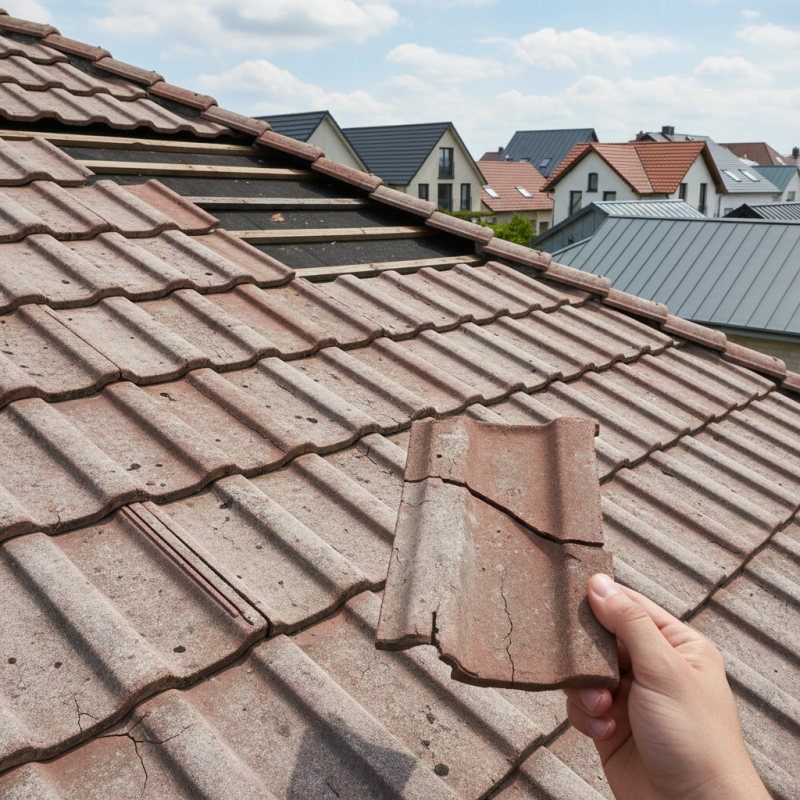
Many homeowners experience issues after a short period. For instance, fading and cracking can occur due to UV exposure. This raises questions about their true durability. Recognizing these challenges helps buyers make informed decisions. They must weigh the pros and cons carefully.
While some manufacturers boast impressive warranty periods, defects can still arise. International buyers must research the reputation of brands. Ultimately, understanding the strengths and weaknesses of rubber and plastic roof tiles is essential. Buying decisions should be based on comprehensive information and realistic expectations. Consumer experiences often reveal important truths about ongoing product performance.
Durability Factors of Rubber Roof Tiles for Global Buyers
Rubber roof tiles are gaining popularity due to their durability and eco-friendliness. According to a study by the National Association of Home Builders, rubber roof tiles can last 30 to 50 years, significantly longer than traditional roofing materials. Additionally, they have excellent resistance to extreme weather conditions, including heavy rain, snow, and UV exposure.
One factor influencing durability is the manufacturing process. High-quality rubber tiles often incorporate recycled materials. This process enhances resistance to wear and tear. However, not all rubber tiles are created equal. Some may degrade more quickly in extreme temperatures or under heavy foot traffic.
Moreover, maintenance plays a vital role. Regular inspections can identify potential issues early. Failing to address these can lead to significant problems, like leaks or moisture buildup. Buyers should consider factors like installation quality and environmental conditions to ensure long-term durability. Understanding these elements can help in making informed decisions for roofing projects.
Durability Factors of Rubber Roof Tiles for Global Buyers
| Durability Factor |
Rubber Roof Tiles |
Plastic Roof Tiles |
| Lifespan (Years) |
30-50 |
20-30 |
| Weather Resistance |
Excellent |
Good |
| Impact Resistance |
High |
Moderate |
| Maintenance Needs |
Low |
Medium |
| Fire Resistance |
Good |
Excellent |
| UV Resistance |
Excellent |
Good |
| Cost per Square Meter |
$5 - $8 |
$3 - $6 |
Comparative Analysis of Plastic Roof Tiles' Longevity
When considering the longevity of roof tiles, plastic options often come into play. Plastic roof tiles are notable for their resistance to moisture and UV damage. This makes them a great choice in regions with variable weather. They can last over 30 years with proper maintenance, but the quality varies. Not all products promise the same durability, which can lead to confusion among buyers.
It's important to consider environmental factors. Extreme temperatures might influence the longevity of plastic tiles. Some manufacturers offer warranties, but buyers should research before making a decision. Real customer reviews can provide insight into the actual lifespan of these products. Aesthetics also play a role; while plastic tiles mimic traditional materials, they may not appeal to everyone.
Rubber tiles have their strengths as well. They are sturdy and can handle heavy impact. Though they may not offer the same aesthetic variety as plastic tiles, they stand up well to rough weather. However, proper installation is crucial for optimal durability. Each material has its pros and cons, and buyers need to weigh these carefully before committing.
Environmental Impact of Rubber and Plastic Roof Tiles
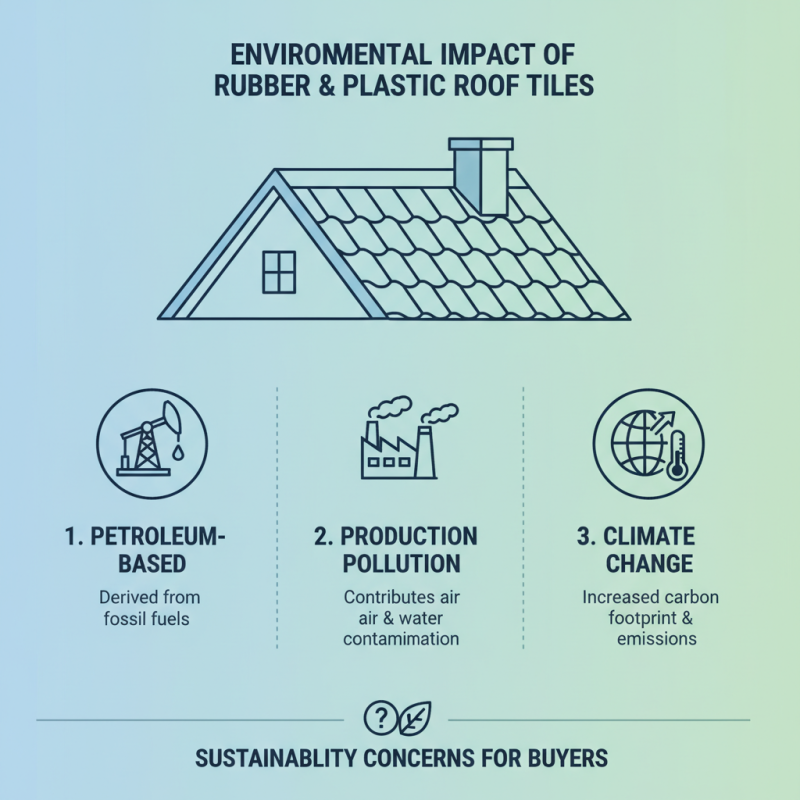
The use of rubber and plastic roof tiles has become popular in recent years. However, their environmental impact raises concerns for many buyers. These materials are often derived from petroleum products. This raises questions about sustainability. Producing them can contribute to pollution and climate change.
Recycling options exist but are limited. Not all rubber and plastic tiles can be recycled easily. This means some end up in landfills. Buyers must weigh longevity against potential waste. While these materials can last for decades, the end-of-life challenge needs attention.
On a positive note, rubber and plastic tiles can be energy-efficient. They often reflect sunlight, helping reduce heat in buildings. This can lower energy costs. However, potential buyers must research. Understanding the lifecycle of these materials is crucial. Engaging with manufacturers can clarify sustainability efforts.
Cost-Effectiveness of Rubber vs. Plastic Roof Tiles
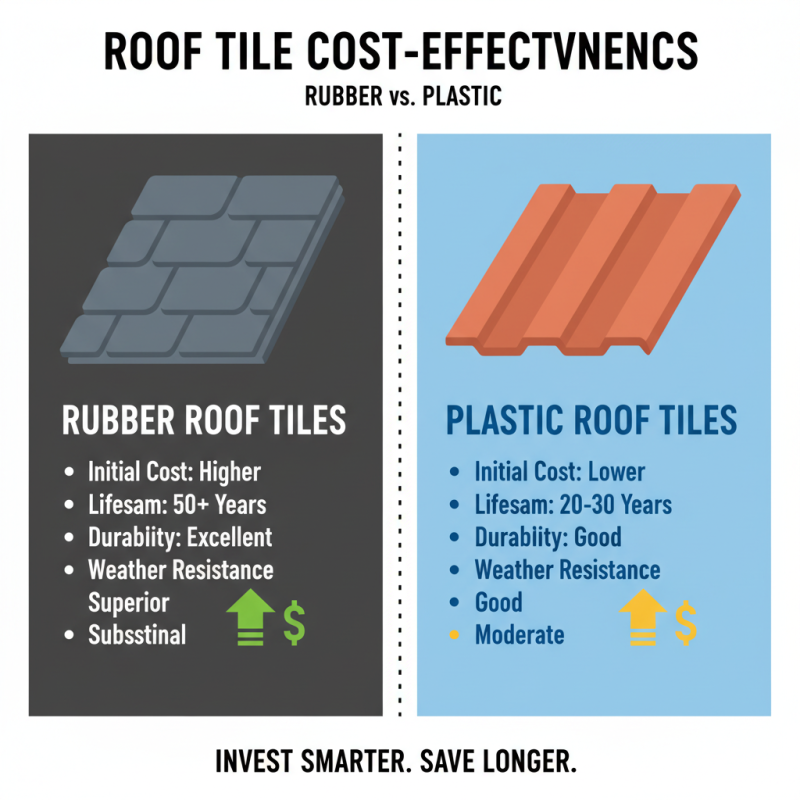
When considering roofing options, cost-effectiveness is a major factor. Rubber and plastic roof tiles offer unique benefits. They both provide durability and resistance to weather conditions. However, their initial costs can vary significantly. Rubber tiles may seem pricier upfront but can save you money in the long run. Their lifespan, often exceeding 50 years, makes them a solid investment.
On the other hand, plastic roof tiles are generally more affordable. They are lightweight and easy to install. However, their durability can sometimes fall short compared to rubber options. Factors like UV exposure can degrade plastic over time. This can lead to more frequent replacements.
Choosing between rubber and plastic requires careful consideration of your specific needs. Analyzing long-term costs is essential. You may need to inspect your local weather patterns. This can help you decide which material suits your environment best. Both options have their flaws. While rubber tiles excel in longevity, plastic tiles shine in affordability. Balancing these factors can guide you to a more informed decision.
Maintenance Requirements for Rubber and Plastic Roof Tiles
Rubber and plastic roof tiles offer unique advantages in durability and maintenance. However, understanding their upkeep is crucial for global buyers. Research shows that rubber tiles can last up to 50 years with proper care, making them a long-term investment. Their ability to withstand extreme weather conditions is noteworthy. Yet, maintenance needs, such as periodic inspections, must not be overlooked.
Plastic tiles are often considered lighter and easier to install. This can lead to reduced labor costs. Despite their benefits, the potential for fading or cracking under UV exposure exists. Regular cleaning helps maintain their appearance and structural integrity. According to industry reports, keeping tiles free of debris extends lifespan significantly.
Many homeowners underestimate the importance of inspections. Mold and algae can accumulate, especially in humid climates. While rubber tiles resist mold better than many materials, plastic tiles need careful monitoring. Ignoring these factors can lead to costly repairs. Investing in affordable cleaning solutions can alleviate potential issues over time. Understanding these maintenance requirements can enhance the durability of roof tiles significantly.
Durability Comparison of Rubber and Plastic Roof Tiles
This chart illustrates the durability comparison between rubber and plastic roof tiles, providing insights for global buyers on their longevity and maintenance requirements.