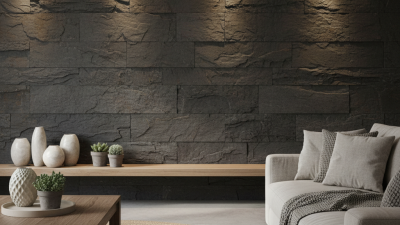
Choosing the best Slate Wall Tiles in 2026 requires more than attractive photographs. Global buyers need dependable stone, clear specifications, and realistic project planning.
Slate varies by quarry, seam, finish, thickness, and shipment batch. Its charcoal, rust, green, and silver tones can change under daylight. A sample may look different beside a warm interior wall. That matters. An experienced buyer should request current samples, technical data, water absorption results, and packed-crate photographs. The finish also deserves attention. Natural cleft feels rugged, while honed slate creates a calmer surface. For exterior projects, freeze-thaw performance and moisture exposure cannot be ignored. Interior bathrooms need suitable sealing and proper substrate preparation. These details are not exciting, but they prevent expensive surprises.
Jim Hieb, a former Natural Stone Institute chief executive, has emphasized, “Natural stone is a product of nature, so variation is part of its character.” This principle remains important for international purchasing. Reliable suppliers should explain quarry origin, thickness tolerance, pallet protection, replacement policies, and installation guidance. Buyers should also compare landed cost, not only factory price. Freight, breakage, customs handling, and local labor can reshape the final budget. Certifications and testing documents must be checked against the destination market’s requirements. Not every attractive tile is technically suitable. That is an uncomfortable truth. This guide examines the 2026 Slate Wall Tiles market through appearance, performance, sourcing credibility, and long-term value. Some recommendations may still require local testing. Real projects are rarely perfect.
2026 Best Slate Wall Tiles for Global Buyers?
Slate wall tile begins with geology, not color. Its natural cleavage creates a layered face, giving walls a tactile surface with graphite, rust, green, or charcoal variation. The variation is genuine, but it can challenge projects needing uniform joints. A good installer should open several cartons before fixing tiles. That simple check prevents awkward color blocks.
Key characteristics include water absorption, thickness, surface stability, and resistance to freeze-thaw cycles. ASTM C121 testing helps evaluate slate’s absorption and bulk specific gravity, while project specifications should also address dimensional tolerance. The U.S. Geological Survey’s 2024 Mineral Commodity Summaries identifies slate within the dimension-stone sector, where production value and trade conditions vary by country. This matters for global buyers because quarry origin can affect lead times and replacement availability. IMARC Group’s 2024 natural stone market assessment valued the global market at more than USD 50 billion, showing strong demand but not guaranteeing consistent slate quality.
For exterior walls, request test results for absorption, strength, and weathering. For wet interiors, confirm suitable sealing and maintenance instructions. Honed surfaces look refined, while natural cleft surfaces hide minor scratches better. However, cleft edges may complicate tight corners. That detail is often underestimated. Tile thickness should match the substrate, adhesive, and local installation practice. Buyers should also check whether cartons contain calibrated or non-calibrated pieces. I would not choose solely from a sample board; slate can look different under warehouse lighting, daylight, and rain.
2026 Best Slate Wall Tiles for Global Buyers?
How to Compare Slate Tile Quality, Finishes, and Sizes
Slate quality starts with structure, not color. Split one sample and inspect its layers, edges, and hidden mineral seams. A reliable supplier should provide test results for water absorption, strength, and freeze-thaw performance. ASTM C629 remains a useful reference for slate dimension stone, although tile performance still depends on processing and installation.
The U.S. Geological Survey’s 2024 Mineral Commodity Summaries groups slate within broader dimension-stone data, showing why buyers should avoid judging supply from color trends alone. Ask for the quarry origin, production batch, and calibrated thickness. A 10-millimeter tile may be unsuitable for a damp exterior wall if its absorption is high. Test reports matter more than polished photographs.
Finish changes both appearance and maintenance. Natural cleft exposes a layered texture, while honed surfaces feel smoother and show fewer shadows. Brushed finishes can improve visual depth, but they may retain dust in deep pits. I prefer comparing three physical samples under wet and dry light. Catalog images can mislead.
Common wall sizes include 300×600 and 600×600 millimeters, but larger formats need flatter substrates and stronger handling controls. Check thickness variation across at least ten pieces. Small differences become obvious around grout joints. Some imperfect pieces are normal; excessive variation is not. The Natural Stone Institute’s technical guidance also stresses movement joints and suitable setting materials, details buyers sometimes overlook.
How to compare slate tile quality, finishes, and sizes before placing an international order.
Common slate tile formats are available in several nominal thicknesses. Smaller wall tiles are often supplied around 9.5–12.7 mm, while larger formats may use approximately 19.1 mm for improved rigidity. Actual dimensions vary by quarry and product, so buyers should confirm thickness tolerance, water absorption, surface soundness, and test results before purchase. Natural cleft finishes provide more texture, while honed finishes offer a flatter and more uniform appearance.
2026 Best Slate Wall Tiles for Global Buyers
Best Slate Wall Tile Styles for Different Interior and Exterior Uses
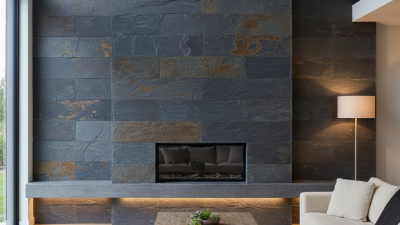
Split-face slate creates strong texture for living-room feature walls, fireplace surrounds, and hotel reception areas. Its uneven surface catches warm lighting and reveals natural layers. For a calmer interior, choose honed slate with soft grey, charcoal, or rust tones. Gauged tiles provide more consistent thickness, making installation easier behind kitchen counters or bathroom vanities. However, slate variation is part of its character. A perfectly uniform wall may be unrealistic.
For exterior facades, stacked slate delivers a rugged architectural look around entrances, garden walls, and outdoor kitchens. Select tiles rated for local freeze-thaw, heat, and moisture conditions. Dense slate usually performs better in exposed areas, but installation still needs a suitable drainage system and weather-resistant mortar. Sealers can reduce staining, though they do not repair weak substrates or poor joints. Dark tiles may absorb significant heat in sunny climates.
Tips: Request physical samples before ordering. View them in daylight and under indoor lamps. Confirm thickness, corner pieces, water absorption, and packaging protection. Ask an experienced installer to inspect the wall first. Small color differences are normal. I would avoid choosing only from online images; screens often hide surface depth and make grey slate appear bluer than it really is. A test panel can reveal problems early, especially where lighting, grout color, and tile direction interact.
A practical comparison of commonly selected slate wall tile styles, finishes, formats, applications, and installation considerations. Suitability can vary by slate type, climate, substrate, and local building requirements.
| Slate Wall Tile Style | Visual Character | Typical Formats | Recommended Interior Uses | Recommended Exterior Uses | Maintenance Profile | Key Buying Consideration |
|---|---|---|---|---|---|---|
| Natural Cleft Slate | Layered, textured surface with naturally split faces and subtle variation in tone. | 300 × 150 mm 300 × 300 mm 600 × 300 mm | Feature walls, fireplaces, entry walls, kitchens, hallways, and rustic living spaces. | Covered accent walls, garden walls, sheltered façades, and outdoor fireplaces where permitted. | Moderate to high; textured surfaces collect dust and may require careful cleaning and periodic sealing. | Check thickness variation, cleft depth, edge condition, and color consistency before installation. |
| Honed Slate | Smooth, low-texture surface with a refined appearance and more consistent light reflection. | 300 × 300 mm 600 × 300 mm 600 × 600 mm | Modern feature walls, bathrooms, shower surrounds, fireplace surrounds, and hospitality interiors. | Protected exterior walls and sheltered entrances, subject to frost and moisture suitability. | Moderate; easier to wipe than cleft slate, but natural stone still benefits from suitable sealing. | Confirm that the surface is appropriate for wet areas and that the chosen adhesive matches the substrate. |
| Calibrated Slate | Back surface is mechanically leveled, making installation more predictable than uncalibrated slate. | 300 × 300 mm 600 × 300 mm 600 × 600 mm | Large feature walls, commercial interiors, hotel lobbies, offices, and contemporary residential spaces. | Exterior walls where the product’s technical specifications support the local climate. | Moderate; regular dust removal and stone-safe cleaning are recommended. | Useful when a flatter installation surface and more uniform tile thickness are important. |
| Gauged Slate | Back is cut to a more uniform thickness while the visible face may remain natural or textured. | 300 × 150 mm 600 × 300 mm 600 × 600 mm | Interior feature walls, media walls, fireplace surrounds, and applications requiring easier alignment. | Covered patios, sheltered walls, and selected façade applications after technical review. | Moderate; installation and cleaning requirements depend mainly on the face finish. | Ask whether “gauged” refers only to the back thickness or also to dimensional calibration. |
| Tumbled Slate | Softened edges and a naturally aged appearance with a relaxed, traditional character. | 100 × 100 mm 300 × 300 mm Mixed sizes | Country-style kitchens, bathroom walls, rustic fireplaces, alcoves, and heritage-inspired interiors. | Courtyards, sheltered garden walls, outdoor kitchens, and low-exposure decorative areas. | Moderate; uneven edges and surface texture require careful grout and cleaning selection. | Expect size and edge variation; use mock-ups when a consistent layout is required. |
| Split-Face Slate | Deeply textured, three-dimensional surface formed by natural splitting or controlled cleavage. | 600 × 150 mm 600 × 300 mm Interlocking panels | Statement walls, reception areas, TV walls, fireplace surrounds, and restaurant interiors. | Accent façades, boundary walls, outdoor fireplaces, and sheltered landscape structures. | Higher; dust can settle in recesses, and cleaning is more difficult than with smooth finishes. | Verify panel alignment, corner-piece availability, weight, fixing method, and water management. |
| Stacked Slate Panels | Multi-piece or interlocking panels create a dry-stacked masonry effect with pronounced relief. | 600 × 150 mm 600 × 300 mm Corner units | Feature fireplaces, stair walls, entrance halls, commercial statement walls, and media rooms. | Exterior feature walls, garden structures, retaining-wall accents, and covered outdoor areas. | Moderate to high; textured joints and recesses need controlled brushing or low-pressure cleaning. | Check panel weight, mechanical fixing requirements, corner compatibility, and expansion details. |
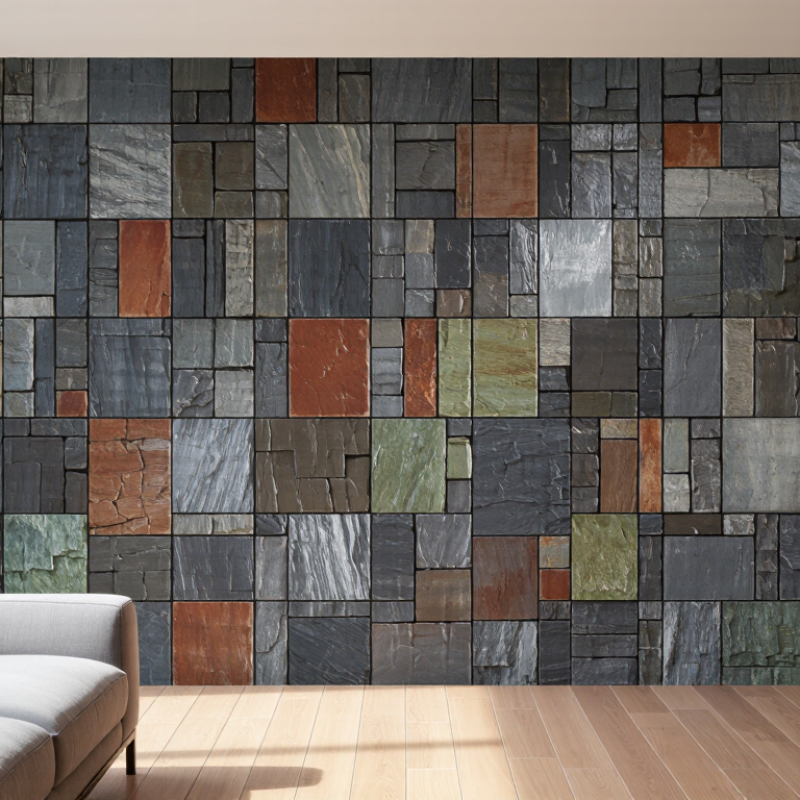
| Multi-Color Slate | Natural variation may include combinations of gray, charcoal, brown, rust, green, or muted purple tones. | 300 × 300 mm 600 × 300 mm Random pattern | Feature walls, fireplaces, hotels, restaurants, entrance areas, and earthy contemporary interiors. | Covered façades, garden walls, patios, and exterior accents in suitable climates. | Moderate; sealing can help protect the surface, but it may alter the natural color and sheen. | Order samples or a larger mock-up because color variation is a natural characteristic, not a defect. |
| Dark Gray or Charcoal Slate | Deep neutral color that supports minimalist, industrial, contemporary, and monochromatic designs. | 300 × 150 mm 600 × 300 mm 600 × 600 mm | Modern bathrooms, kitchens, fireplaces, entry walls, offices, and commercial interiors. | Contemporary exterior accents, sheltered entrances, outdoor kitchens, and selected wall cladding. | Moderate; dust, efflorescence, and water marks may be more visible on dark surfaces. | Review batch variation and test the sealer because some products can deepen the color noticeably. |
| Thin Slate Veneer Tile | Reduced-thickness natural slate intended for projects where lower weight is useful. | 300 × 150 mm 600 × 300 mm Panel formats | Interior accent walls, cabinetry surrounds, fireplace surrounds, and lightweight renovation projects. | Selected exterior accent applications when the manufacturer’s installation system allows it. | Moderate; protect exposed edges and follow the specified substrate preparation method. | Confirm actual thickness, weight per square meter, allowable substrate, and mechanical support needs. |
Reliable slate wall tile sourcing begins with material clarity. Confirm whether the product is natural slate or ceramic slate-look tile. Their testing requirements differ.
Ask for recent reports covering water absorption, flexural strength, surface durability, and slip resistance. Match each report with the destination market’s standards. For ceramic tiles, EN 14411 or relevant ASTM methods may apply. Natural slate needs suitable stone testing, not ceramic documentation. ISO 9001 can indicate controlled factory procedures. ISO 14001 may support environmental management claims. Neither certification proves every shipment is perfect.
Check the quarry or factory address, ownership details, production capacity, and export history. Request batch codes, packing photos, and traceable invoices. A serious supplier should explain thickness tolerance, shade variation, edge chipping, and packaging performance.
Order samples before approving a container. Test them after soaking and cooling. Handle the surface under warm and cold light. Small color changes can look dramatic across a large wall.
Use an independent inspection before shipment. Check dimensions, broken pieces, cartons, labels, and the approved sample. Certificates may be genuine but outdated. Test reports may describe another production line.
I have seen attractive samples hide weak corners. That risk deserves written acceptance standards, not optimistic promises.
Ask who pays when agreed tolerances fail. Supplier confidence should survive detailed questions.
Slate wall tiles suit fireplaces, bathrooms, entryways, and sheltered exterior walls. Their split surface creates strong shadows, but thickness can vary considerably. The Tile Council of North America recommends stable substrates, movement joints, and suitable mortars for natural stone installations. On-site experience shows that uneven backs often require extra adhesive and careful leveling. Installation commonly costs 25–60% more than tile materials, depending on labor and wall preparation. Do not trust a perfect estimate.
Maintenance remains practical when the stone is properly sealed. The Natural Stone Institute advises using neutral cleaners and avoiding acidic products. Wipe bathroom walls weekly, especially around faucets and grout lines. Resealing may be needed every two to five years, but absorption testing is more reliable than a fixed schedule. Dark slate can hide soap residue. Light slate can reveal it quickly.
Cost pressure is shaping 2026 purchasing decisions. Recent construction outlooks from Dodge Construction Network show continuing attention to material efficiency and renovation spending. Grand View Research projects steady growth in the global natural stone market through 2030, supporting wider slate selection across regions. Buyers increasingly request calibrated thickness, recycled packaging, digital samples, and verified quarry documentation. Freight still changes the final price sharply. A low tile quote may become expensive after crating, breakage, duties, and local delivery. Sample three cartons before ordering. One carton is not enough.