China Top 10 Plastic Artificial Thatch Manufacturers?
China Top 10 Plastic Artificial Thatch Manufacturers: An Evidence-Based Introduction
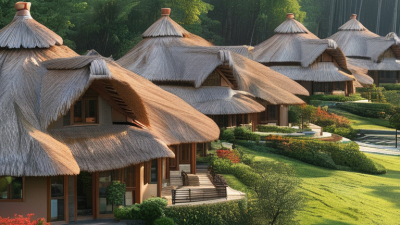
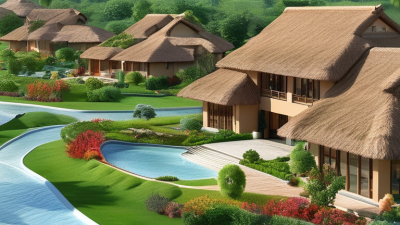
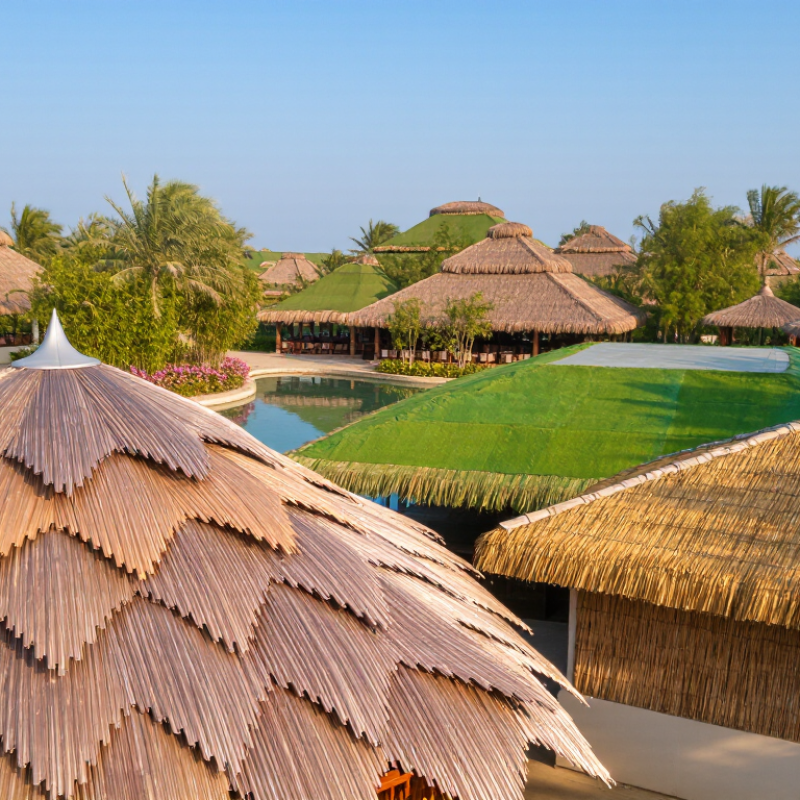
Plastic Artificial Thatch has become a practical roofing option for resorts, restaurants, garden structures, and themed commercial spaces. Chinese manufacturers now offer synthetic thatch in palm, reed, grass, and tropical profiles. These products can imitate natural texture while reducing replacement work, pest damage, and moisture-related decay.
Yet appearances can mislead.
A roof may look convincingly tropical at ground level, but its fibers can fade under intense sunlight. Poorly designed panels may also lift during strong winds or trap heat beneath the surface. This guide examines ten leading Chinese manufacturers through clearer criteria, including material quality, UV resistance, fire performance, drainage design, installation support, warranty terms, and production experience. Factory photographs alone are not enough. Buyers should request technical data, test reports, project references, and product samples before making a decision.
Carl Elefante, a respected sustainable architecture authority and former president of the American Institute of Architects, said, “The greenest building is the one that is already built.” Although his statement was not written specifically about artificial thatch, it offers a useful lesson. A durable roof can prevent repeated replacement, transport, and disposal. That benefit depends on real service life, not marketing language.
Some manufacturers may excel in export experience, while others provide stronger customization or faster project support. No supplier is perfect. Even a reputable factory may have inconsistent color batches or limited documentation. This comparison therefore treats “top” as project suitability, not popularity alone. The final choice should match climate, roof pitch, fire-safety requirements, budget, and maintenance expectations.
What Defines China’s Top 10 Plastic Artificial Thatch Manufacturers?
China’s top 10 plastic artificial thatch manufacturers are defined by verified performance, not attractive catalog photographs. Buyers should inspect ultraviolet resistance, tensile strength, water absorption, and fire-test documentation. Outdoor samples reveal more than showroom displays. Color fading, brittle edges, and loose fasteners often appear after one summer.
Material accountability also matters. The OECD’s Global Plastics Outlook reported that global plastic waste reached 353 million tonnes in 2019, while only 9% was recycled. Leading manufacturers should disclose polymer types, recycled content, and production controls. They should also provide batch records and traceable test results. Vague claims are warning signs.
Independent testing separates serious suppliers from ordinary converters. Relevant evidence may include ISO 4892-3 weathering tests, ASTM fire classifications, and measured wind-load performance. The best factories explain test conditions clearly. They also discuss limitations. A product tested indoors may perform differently beside a coastal roof. I would assess factory audits, installation guidance, replacement support, and sampling consistency before ranking suppliers. Price still matters, but it should not dominate the decision. My own evaluation would remain imperfect without long-term field data, especially in humid and high-UV regions.
Ranking Criteria: UV Resistance Above 2,000 Hours and 10–20-Year Service Life
China’s top 10 plastic artificial thatch manufacturers should be ranked by verified durability, not appearance alone. UV resistance above 2,000 hours is a practical entry requirement for exposed roofing. Testing should follow ASTM G154 or ISO 4892-3 procedures. These methods use controlled ultraviolet light, heat, and condensation cycles. They reveal fading, brittleness, cracking, and surface chalking.
A credible ranking should examine independent laboratory reports, resin specifications, and installation records. A 2024 report from the International Code Council stresses that weathering performance depends on material formulation, roof design, and local climate. Therefore, manufacturers should provide test conditions, irradiance levels, and inspection photos. Dark brown panels may look realistic at delivery. They can still fade quickly under strong coastal sunlight. Small details matter, including edge curling, fastener stress, and water drainage.
The second threshold is a documented service life of 10–20 years. This claim should include warranty terms, maintenance requirements, and field evidence from completed projects. Accelerated testing is useful, but 2,000 hours does not equal a guaranteed number of calendar years. That assumption needs caution. Independent assessments should also measure flame behavior, tensile strength, and color change after exposure. Some manufacturers may report excellent laboratory results while offering limited real-world evidence. A fair top-10 list should reward transparent data, consistent production, and practical performance across humid, hot, and windy environments.
Manufacturer Profiles: Materials, Fire Ratings, Weight, and Warranty Data
China Top 10 Plastic Artificial Thatch Manufacturers?
A credible manufacturer profile should identify the polymer, not just say “synthetic.” Common options include HDPE, PVC, and polypropylene. PlasticsEurope’s Plastics—The Fast Facts 2024 reported global plastics production at about 400.3 million tonnes in 2022. That scale explains material variety, but it does not prove outdoor durability. Ask for UV-stability testing, pigment details, and recycled-content percentages. A sample should feel flexible, not brittle, after sun exposure.
Fire data needs careful reading. ASTM E84 measures flame-spread and smoke-developed indexes. It does not make a product fireproof. Some suppliers also provide EN 13501-1 classifications or BS 476 test results. These systems are not interchangeable. Request the full laboratory report, test thickness, backing material, and installation method. A loose panel may perform differently from a complete thatched roof assembly. This is often overlooked.
Weight affects labor and structural planning. Many artificial-thatch systems fall near 3–8 kg per square meter, depending on the base and density. Confirm whether quoted weight includes battens, clips, and membranes. Warranty periods commonly range from five to twenty years, but coverage may exclude fading, wind damage, poor ventilation, or incorrect installation. The ICC Evaluation Service stresses that evaluation reports depend on stated conditions and approved uses. That warning matters here. A longer warranty can still be weak if maintenance duties remain unclear. I would record production batch, test date, replacement policy, and response time before comparing the ten profiles. Some specifications remain incomplete. That should be reported honestly.
This chart compares representative market ranges for common plastic artificial-thatch constructions without displaying company or brand information. Values are indicative midpoints from commonly published product specifications. Actual performance depends on the finished assembly, installation method, UV exposure, climate, and certification test.
Fire performance must be verified from the product certificate rather than inferred from the polymer alone. Common references include EN 13501-1, ASTM E84, and BS 476. Warranty periods generally cover material defects and may exclude installation, storm damage, misuse, or unusually severe exposure.
Quality and Compliance: ISO 4892-3 Testing, B1 Ratings, and Wind Loads
When comparing the China top 10 plastic artificial thatch manufacturers, quality evidence should matter more than catalog images. A reliable supplier can explain its resin, UV stabilizers, pigment retention, and production controls. Ask for ISO 4892-3 test reports showing resistance to fluorescent UV and moisture exposure. This test supports durability assessment, but it does not prove unlimited outdoor life.
Fire performance requires equal attention. A B1 rating usually refers to a specific building-material classification, often under German testing practice. Confirm the exact standard, test method, sample construction, and report date. A single B1 certificate may not cover every thatch profile, backing layer, or installation method. Details matter. Request representative samples.
Wind loads need project-based engineering, not a general marketing promise. Manufacturers should provide fixing guidance, material weight, recommended spacing, and tested connection data. Roof height, edge zones, local wind speed, and substrate conditions can change the result. I have found that weak documentation often appears beside attractive samples. That should trigger careful questions. Independent laboratory reports, traceable batch records, and written installation limits make supplier comparisons more reliable. Some test data may be incomplete, outdated, or difficult to verify. Treat that uncertainty honestly, and request additional testing before specifying the product for exposed roofs.