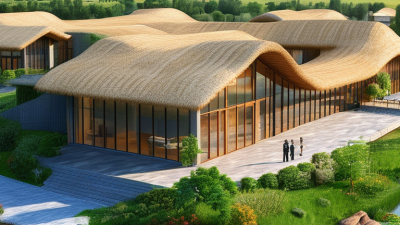
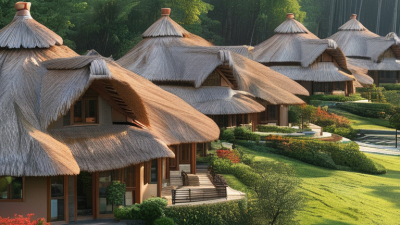
How to Source Theme Park Thatch Globally in 2026?
Sourcing Theme Park Thatch globally in 2026 requires more than comparing product prices. Designers, procurement teams, and operators must evaluate appearance, durability, fire performance, and documented origin. A thatched roof may look tropical under bright attraction lighting, yet fail quickly in heavy rain or strong coastal wind. The right choice depends on climate, structure, visitor safety, and maintenance access.
This guide examines practical sourcing routes across Asia, Europe, Africa, and other production regions. It considers natural thatch, synthetic alternatives, and hybrid systems used for themed restaurants, resort areas, water parks, and entrance features. Reliable suppliers should provide material samples, installation guidance, testing records, and clear replacement expectations. Ask difficult questions early. What happens after installation?
Experience matters here. A supplier’s photographs can appear convincing, but completed projects reveal more. Request dated references, inspect color consistency, and confirm how materials are packed for long-distance transport. Documentation should match the actual product, not a similar sample. Local building codes, fire regulations, import requirements, and environmental rules also need careful review before purchase.
Some assumptions may prove wrong. The cheapest option may create higher labor and maintenance costs. Natural materials may offer authentic texture, while synthetic thatch can provide steadier color and easier upkeep. Neither option is automatically suitable. Site testing remains essential, especially where heat, humidity, salt air, or intense public use are expected. With disciplined supplier checks and realistic performance criteria, Theme Park Thatch can support memorable design without compromising responsible project planning.
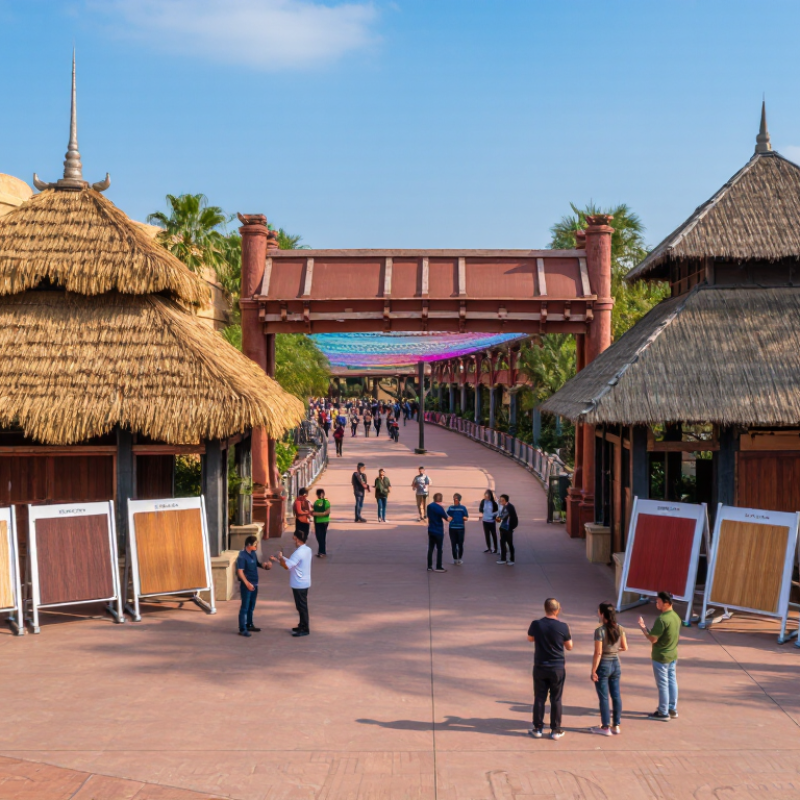
Define Theme Park Thatch and Its Main Global Applications
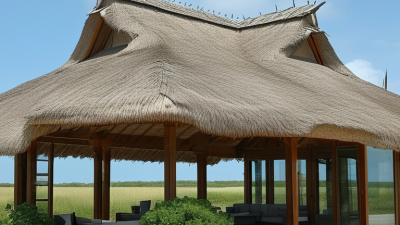
Theme park thatch is a roof or decorative cladding made from natural fibers, synthetic polymers, or blended materials. It imitates palm, reed, grass, or straw textures. Designers use it to create regional environments without rebuilding entire structures.
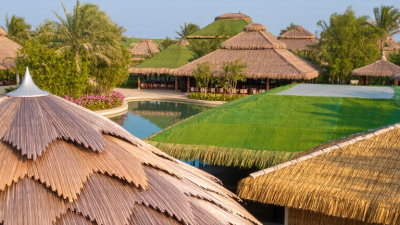
Its main applications include themed restaurants, entrance huts, queue shelters, waterpark cabanas, retail kiosks, and outdoor performance areas. It appears across tropical, coastal, African, Polynesian, and Southeast Asian settings. The TEA/AECOM Theme Index 2023 recorded about 244 million visits across the world’s top 25 theme parks. That scale supports continued demand for durable, immersive guest environments.
Global sourcing in 2026 should begin with performance data, not appearance alone. Suppliers should provide UV-resistance results, water-shedding performance, wind-load guidance, fire-test documentation, and expected service life. Natural thatch offers irregular texture and strong authenticity, but it may require more maintenance. Synthetic thatch often provides consistent color and easier replacement, yet it can look repetitive under close inspection.
Small details matter. Check sample panels in direct sunlight and heavy rain. Ask how replacement sections match after three years. A beautiful roof can still become a maintenance problem. The 2024 Global Attractions Attendance Report shows continued recovery in international park visitation, but attendance growth does not guarantee suitable materials. Local climate, installation skills, shipping distance, and safety requirements should shape each purchasing decision. Data helps, but field testing remains essential.
Identify Thatch Types, Materials, and Performance Requirements
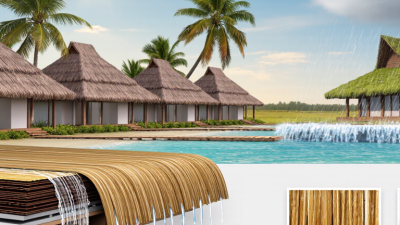
Global sourcing starts with classification, not color matching. Natural thatch includes reed, water reed, straw, and palm leaves. These fibers vary in density, moisture content, and decay resistance. Synthetic thatch commonly uses polyethylene, PVC, or mineral-filled composites. Hybrid panels combine waterproof backing with natural-looking fibers. The choice should follow the story, climate, and replacement plan. A tropical roof may need drainage gaps and mold resistance. A dry indoor queue may prioritize low smoke and visual consistency.
Theme park demand is large and unforgiving. The 2024 TEA/AECOM Theme Index recorded 243.7 million visits across the top 25 global parks. That traffic magnifies loose fibers, damaged edges, and maintenance delays. Specify tensile strength, UV resistance, water absorption, wind uplift, and service temperature. Request samples after accelerated weathering, not only new samples. For fire safety, require evidence under ASTM E84 or EN 13501-1, matched to the final assembly. Treated fiber may perform differently after rain, salt, and cleaning chemicals.
Climate data also changes the brief. The WMO State of the Global Climate 2023 reported 2023 at 1.45 ± 0.12°C above the pre-industrial baseline. Dark synthetic surfaces can heat quickly under direct sun. Ask suppliers for surface-temperature data and color-retention results. Compare warranties carefully; they often exclude coastal exposure or improper fastening. Certification is useful, but incomplete. I would still inspect production batches, packaging, and replacement lead times. Laboratory weathering cannot fully reproduce a crowded park, airborne grease, or repeated guest contact. That uncertainty deserves a maintenance trial before global rollout.
Evaluate International Suppliers, Certifications, and Production Capacity
How to Source Theme Park Thatch Globally in 2026?
International sourcing begins with supplier verification, not attractive catalog photos.
Request material samples, factory videos, production records, and recent project references. Compare natural thatch, synthetic thatch, and hybrid panels for appearance, durability, maintenance, and fire performance. A supplier should explain fiber origin, treatment methods, expected service life, and installation limits clearly. Vague answers indicate risk.
Certifications need careful review.
Check whether documents cover the actual product, factory, and current production period. Useful evidence may include ISO 9001 quality systems, fire-test reports, chemical safety declarations, and sustainable forestry or agricultural documentation. Requirements differ by destination and project type. Ask an independent laboratory to verify critical results. Certification alone is not proof. I have seen paperwork look impressive while batch controls remained weak. That deserves reflection.
Tips:
Test full-size sections before signing a large contract. Measure color variation, water absorption, wind resistance, odor, and flame behavior. Confirm monthly capacity using production schedules, workforce numbers, raw-material reserves, and maintenance records. Request a contingency plan for port delays or harvest shortages. Include inspection points before shipment. A reliable supplier accepts reasonable scrutiny. Perfect forecasts do not exist. Build flexibility into delivery dates, replacement quantities, and technical support.