Choosing Synthetic Slate Roof Tiles is not simply a style decision. It affects weight, drainage, installation, maintenance, and long-term roof performance. A convincing slate appearance means little if the product cannot handle your local weather.
Mark Graham, former vice president of technical services at the National Roofing Contractors Association, has emphasized, “A roof system must be evaluated as a system, not as individual products.” That principle matters here. Synthetic tiles must work with the underlayment, flashing, fasteners, ventilation, and roof structure. Ignoring one component can create expensive problems behind an attractive surface.
Begin with the building itself. Check the roof pitch, deck condition, structural capacity, and existing moisture damage. Then compare tile composition, impact resistance, fire classification, color stability, warranty terms, and installation requirements. Hold sample tiles beside your siding and observe them in direct sunlight. Some dark blends appear almost black at noon, yet look purple near sunset.
Performance claims need careful reading. “Impact resistant” does not guarantee protection against every storm. Warranties also contain exclusions, maintenance duties, and installation conditions. Ask for tested documentation, not vague promises. A qualified roofing contractor should provide project references and explain how the tiles will be secured.
There is no perfect product.
Synthetic Slate Roof Tiles may reduce weight and maintenance, but they still require skilled installation and regular inspection. This guide will help you compare realistic priorities, identify weak claims, and choose a roof that suits your home, climate, budget, and expectations.
How to Choose Synthetic Slate Roof Tiles?
Synthetic slate tiles are usually made from recycled polymers, mineral fillers, pigments, and ultraviolet stabilizers. Their construction matters more than surface appearance. A well-molded tile should show consistent thickness, clean edges, and a stable locking profile. Uneven edges can create visible lines and weak water-shedding points.
The U.S. Environmental Protection Agency estimates that 600 million tons of construction and demolition debris were generated in 2018. Recycled content can reduce demand for new materials, but it does not automatically prove durability. Ask for verified recycled-content documentation. Also check the tile’s testing records, not only marketing claims. ASTM D3161 evaluates wind resistance, while ASTM E108 evaluates fire performance. These standards reveal how the product behaved under controlled conditions.
Impact resistance deserves close attention in hail-prone regions. UL 2218 Class 4 testing uses a two-inch steel ball, with no visible damage permitted after impact at the required locations. That result is useful, but real roofs experience aging, poor installation, and repeated storms. I would inspect the fastening holes and underside support before choosing a tile. A lightweight product may reduce structural demand. It may also feel less substantial during installation. The U.S. Department of Energy recommends reviewing roof assemblies as complete systems, including ventilation and underlayment. That detail is often missed. Synthetic slate can look convincing, but color stability, thermal movement, and replacement availability still deserve practical scrutiny.
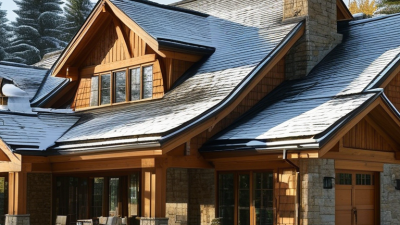
How to Choose Synthetic Slate Roof Tiles?
Choosing synthetic slate begins with the roof design, not the color. Measure the roof pitch, rafter spacing, valleys, hips, and penetrations. A steep roof sheds rain quickly, but it requires secure fastening and safe worker access. Low-slope roofs need closer evaluation because water may remain beneath overlapping tiles. I have seen attractive samples fail when the supporting structure was overlooked. Synthetic slate is lighter than natural slate, yet the roof still needs suitable sheathing, underlayment, and ventilation.
Climate strongly influences tile selection. In regions with heavy rain, inspect drainage paths and flashing details carefully. Freeze-thaw areas require tiles that tolerate repeated expansion and contraction. Coastal homes may need corrosion-resistant fasteners and stronger wind resistance. Hot climates can expose roofing materials to intense sunlight for years. Ask for tested performance data, not only appearance claims. Color stability matters too, although no material remains unchanged forever.
Installation quality often decides whether the roof performs well. Follow the product’s technical instructions and local building requirements. Use experienced installers who understand spacing, cutting, flashing, and ridge ventilation. Before work begins, review sample layouts around chimneys and roof edges. Small errors become visible there. A rushed installation may leave cracked tiles, exposed fasteners, or uneven courses. I would not rely on a general roofing estimate alone; request a written method statement and clarify who will inspect the completed work.
| Assessment Area | What to Check | Generally Suitable Conditions | Potential Concern | Recommended Selection or Action |
|---|---|---|---|---|
| Roof Pitch | Confirm the roof slope and the minimum pitch permitted by the selected tile system. | Steeper roofs usually provide faster drainage and are often compatible with slate-style profiles. | Low-slope roofs can retain water and may require a different roofing system or enhanced waterproofing. | Measure the actual pitch and follow the product’s tested minimum-slope requirement rather than relying on appearance alone. |
| Roof Geometry | Review hips, valleys, dormers, ridges, eaves, penetrations, and roof intersections. | Synthetic slate can suit complex designs because individual tiles can be cut and installed around details. | Multiple valleys and penetrations increase cutting, flashing, waste, and labor requirements. | Prepare a roof plan and specify compatible valley, ridge, hip, and penetration details before ordering materials. |
| Structural Capacity | Check the roof framing, sheathing condition, dead load, and local design loads. | Synthetic slate is commonly lighter than natural slate, which may reduce structural demand in some reroofing projects. | The total roof assembly still includes battens or underlayment, fasteners, flashings, and snow or wind loads. | Use the tile system’s published weight per area and have a qualified professional verify the existing structure. |
| Wind Exposure | Identify the site’s wind zone, building height, exposure category, roof shape, and edge zones. | Systems with tested wind resistance and approved mechanical fastening can perform well when correctly installed. | Corners, eaves, ridges, and roof edges experience higher wind uplift than central roof areas. | Select a product with documented wind testing and follow the required fastening pattern, especially at perimeter zones. |
| Rainfall and Water Management | Assess rainfall intensity, wind-driven rain, drainage paths, gutters, valleys, and flashing conditions. | Overlapping tiles combined with correctly detailed underlayment and flashings can provide effective water shedding. | Blocked valleys, inadequate laps, or improperly sealed penetrations can cause leakage regardless of tile material. | Use a complete water-shedding assembly, maintain clear drainage paths, and install metal flashings according to local practice. |
| Snow and Ice | Determine ground snow load, drifting risk, freeze-thaw exposure, and the need for snow retention. | A properly engineered roof assembly can be used in cold regions when the tile and fastening system are approved for local loads. | Snow sliding, ice dams, and repeated freeze-thaw cycles can stress tiles, flashings, and eaves. | Verify snow-load suitability, provide adequate insulation and ventilation, and consider snow guards where falling snow presents a hazard. |
| Sunlight and UV Exposure | Consider roof orientation, altitude, local UV intensity, and expected color-retention performance. | Tiles manufactured with UV-resistant colorants or coatings are generally better suited to strong sunlight. | Unprotected pigments may fade over time, and dark colors can absorb more solar heat. | Request documented weathering or color-retention data and compare the expected appearance with the project’s design life. |
| Temperature Change | Review daily and seasonal temperature variation, thermal movement, and ventilation requirements. | Synthetic materials can accommodate normal thermal movement when installed with the specified clearances and fasteners. | Over-tight fastening or restricted movement can contribute to distortion, cracking, or stress around details. | Use the recommended fastener type, hole size, spacing, and movement allowance; do not force tiles into place. |
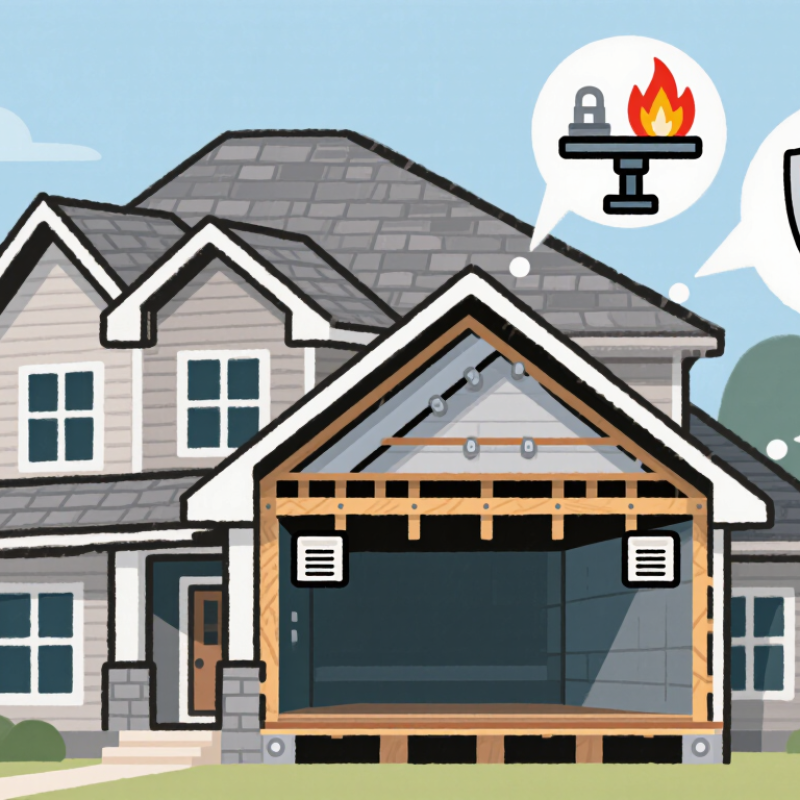
| Fire Requirements | Check the building code, wildfire exposure level, roof assembly requirements, and required fire classification. | Some synthetic slate products are tested as part of fire-rated roof assemblies. | Fire performance depends on the complete assembly, including underlayment, sheathing, ventilation, and installation. | Select a system with verifiable fire-test documentation that matches the local code and project assembly. |
| Hail and Impact Exposure | Assess regional hail frequency, roof slope, surrounding trees, and vulnerability of exposed roof areas. | Products with documented impact testing may be appropriate for areas with elevated hail risk. | Impact resistance varies significantly among formulations and thicknesses; visual slate appearance alone is not evidence of performance. | Compare independently documented impact classifications and confirm whether replacement tiles will be available. |
| Underlayment and Deck | Inspect the roof deck for rot, deflection, moisture damage, unevenness, and inadequate fastening. | A sound, smooth, properly fastened deck supports consistent tile alignment and reliable waterproofing. | A defective deck or incompatible underlayment can shorten service life and create leaks. | Repair or replace damaged sheathing and use an underlayment approved for the selected tile system and climate. |
| Installation Method | Confirm whether the system requires direct-to-deck installation, battens, clips, screws, nails, or special tools. | Mechanically fastened systems can simplify repair and replacement when the installer follows the approved layout. | Incorrect fastener placement, missed laps, uneven courses, and poor cutting can compromise performance. | Use trained installers, written installation instructions, and project-specific details for edges, valleys, ridges, and penetrations. |
| Maintenance and Repair | Plan for inspection access, debris removal, flashing checks, and replacement of damaged tiles. | Individual tiles can often be replaced without removing the entire roof area. | Walking directly on tiles may cause damage, and replacement colors may vary after long-term weathering. | Keep spare tiles from the original installation and use roof-access methods recommended for the system. |
| Code and Documentation | Verify permits, local wind and snow requirements, fire classification, product testing, and warranty conditions. | A documented system with clear installation details is easier to approve, install, inspect, and maintain. | Marketing claims may not apply to the specific climate, assembly, or installation method being considered. | Request current technical data, test reports, installation instructions, and written confirmation of local code compliance. |
Note: Performance depends on the specific synthetic slate formulation, complete roof assembly, local climate, building code, and installation quality. Always confirm project requirements with a qualified roofing professional and the applicable local authority.
Choosing synthetic slate roof tiles starts with the profile, not the color. I inspect rooflines, nearby buildings, and drainage details before recommending a shape. Flat profiles create a quiet, refined surface for modern homes. Staggered or heavily textured profiles feel more traditional and hide small installation variations. Look closely. Some profiles require precise alignment, especially around valleys and dormers.
Color should support the architecture rather than compete with it. Charcoal and deep gray suit contemporary designs, while blended gray, brown, and muted green can complement cottages or historic-style homes. Request physical samples outdoors. Digital images often misrepresent undertones under bright sunlight. I have seen a “cool gray” tile appear slightly blue beside pale siding. That small shift changed the entire facade.
Texture adds depth, but excessive irregularity may make a compact roof look visually heavy. Smooth surfaces reflect more light and emphasize clean geometry. Granulated surfaces create shadow, which can soften large roof areas. Check the tile’s documented wind, impact, fire, and weather performance, along with installation requirements and local building rules. A visually convincing tile can still be unsuitable for the roof pitch. Not always. I once favored a dramatic profile that looked excellent on paper, but its detailing was difficult around a narrow chimney. The better choice was less striking, yet more reliable. Keep testing.
How to Choose Synthetic Slate Roof Tiles?
Durability starts with the roof’s local conditions. Examine UV exposure, hail risk, temperature changes, and expected wind loads. A tile that performs well in one region may fail earlier elsewhere. Ask for tested impact, fire, wind, and freeze-thaw ratings. Check whether the product has a stable color layer. Fading is not always covered by the warranty.
Maintenance is usually simple, not nonexistent. Inspect the roof each year, especially after severe storms. Look for cracked tiles, loose fasteners, damaged flashing, and blocked drainage paths. Remove leaves from valleys and gutters before moisture remains trapped. Avoid pressure washing, which can damage surfaces and force water beneath overlaps. A careful installer matters as much as the tile. Small mistakes can create expensive leaks.
Read the warranty slowly. Check coverage length, transfer rules, labor limits, and exclusions for poor installation or unusual weather. A materials warranty may not cover workmanship. Environmental impact also needs a wider view. Recycled content is useful, but manufacturing energy, transport distance, service life, and disposal all matter. Ask whether damaged tiles can be recycled locally. That answer may be unclear. It is easy to praise “green” materials without checking their full lifecycle. A roof inspection report, installation records, and product test documents provide stronger evidence than sales language.
Choosing synthetic slate is not only a tile decision. The final bill includes materials, removal, disposal, underlayment, flashing, ventilation, labor, permits, and tax. Ask for a written estimate with each item separated. Measure the roof area, then add waste for cuts, valleys, dormers, and ridge details. A steep roof may require extra safety equipment and labor hours. Keep a contingency of 10 to 15 percent for hidden deck damage. I once underestimated disposal costs; that small omission changed the project budget.
Compare at least three detailed proposals, not just square-foot prices. Confirm tile weight, fire rating, wind performance, color consistency, and expected service life. Request samples outdoors, because indoor lighting can hide surface differences. Check whether the estimate includes damaged sheathing replacement. It often does not. Ask about payment stages, change-order fees, cleanup, and workmanship coverage. A low bid can become expensive when flashing or ventilation is excluded.
A qualified roofing installer should provide required licensing, liability insurance, workers’ compensation coverage, and recent local references. Look for experience with synthetic slate, especially around chimneys, skylights, hips, and valleys. Ask to inspect a completed roof after rain, if possible. The installer should explain fastening patterns, underlayment laps, and attic ventilation clearly. Do not rely on a polished website alone. Verify documents directly, read the contract slowly, and question vague allowances before signing.