Exploring the Benefits of Slate Roof Tiles in 2026 Top Choices?
As we look ahead to 2026, the choice of roofing can significantly impact both aesthetics and functionality. Slate roof tiles have emerged as a preferred option for many homeowners. Their natural beauty and durability set them apart from other roofing materials. Unlike asphalt shingles, slate adds a touch of elegance to any property.
However, it's essential to weigh both benefits and limitations. Slate roof tiles require a skilled installation process. Improper installation can lead to costly repairs. Maintenance is also a consideration; while durable, they can be susceptible to certain weather conditions.
Exploring the advantages and challenges of slate roof tiles reveals a need for thoughtful decision-making. Homeowners must consider their local environment and budget. Despite potential drawbacks, many find the long-term value of slate tiles worth the investment. Making an informed choice in 2026 involves understanding these critical factors.
Benefits of Slate Roof Tiles: A Comprehensive Overview for 2026
Slate roof tiles are increasingly popular in modern construction. Their natural beauty and durability make them a top choice for many homeowners. According to the 2023 National Roofing Contractors Association report, slate roofs can last over 100 years with proper maintenance. This longevity reduces the need for replacements, making it a cost-effective option over time.
Slate tiles are also environmentally friendly. They are made from natural stone, which has a low carbon footprint. A study from the National Association of Home Builders indicates that energy-efficient roofing materials can lower heating and cooling costs by up to 30%. Homeowners increasingly seek sustainable options, and slate fits this demand.
However, slate does come with its challenges. The weight of slate can complicate installation, requiring reinforced structures. This element may not appeal to some builders. Additionally, while slate is highly durable, it can crack or chip if struck hard enough. Therefore, careful consideration is essential to ensure that slate is suitable for your specific location and climate conditions.
Durability and Longevity: Why Slate Roofs Last Over 100 Years
Slate roof tiles are renowned for their exceptional durability and longevity. Homeowners often seek roofing materials that can withstand the test of time. Slate roofs, made from natural stone, can last over a century with minimal maintenance. Their unique composition allows them to resist harsh weather conditions, from heavy rain to intense heat. However, the initial installation cost can be daunting.
While many appreciate the aesthetics of slate, its weight may require additional structural support. Not every home is suited for such a robust material. Regular inspections are still necessary to check for potential issues, like cracks or fractures. Though slate is tough, it's not impervious to damage. Strong impacts or severe weather can affect its integrity.
Despite some drawbacks, the long-term benefits often outweigh the challenges. Investing in a slate roof means investing in peace of mind. A well-maintained slate roof can enhance property value and curb appeal. Homeowners should weigh the initial investment against the years of reliability that follow. The beauty and resilience of slate truly make it a worthwhile choice for those willing to undertake the commitment.
Energy Efficiency: How Slate Roofs Contribute to Lower Energy Costs
Slate roofs are not just elegant; they can significantly impact energy efficiency. One of the natural properties of slate is its thermal mass. This quality allows slate tiles to absorb heat during the day and release it at night. As a result, homes remain cooler during warm periods and retain warmth when temperatures drop. This contributes to reduced reliance on heating and cooling systems.
Installing a slate roof can lead to lower energy costs over time. Homeowners may see a noticeable reduction in their monthly utility bills. Studies indicate that buildings with slate roofs often consume less energy for climate control. Additionally, slate’s natural ability to reflect sunlight helps keep homes cooler in the summer.
However, it's essential to consider installation and maintenance. While slate is durable and long-lasting, improper installation can negate its energy efficiency benefits. Homeowners should work with qualified professionals. It’s crucial to choose experienced contractors to ensure the roof performs as intended. This investment pays off not only in reducing energy costs but also in enhancing the home's overall value.
Energy Efficiency of Slate Roofs: Impact on Lower Energy Costs in 2026
Aesthetic Appeal: The Visual Advantages of Slate Roofing Options
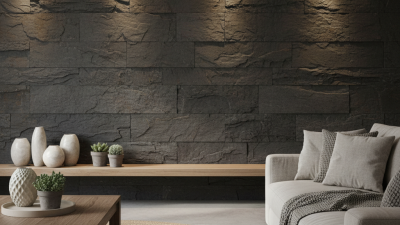
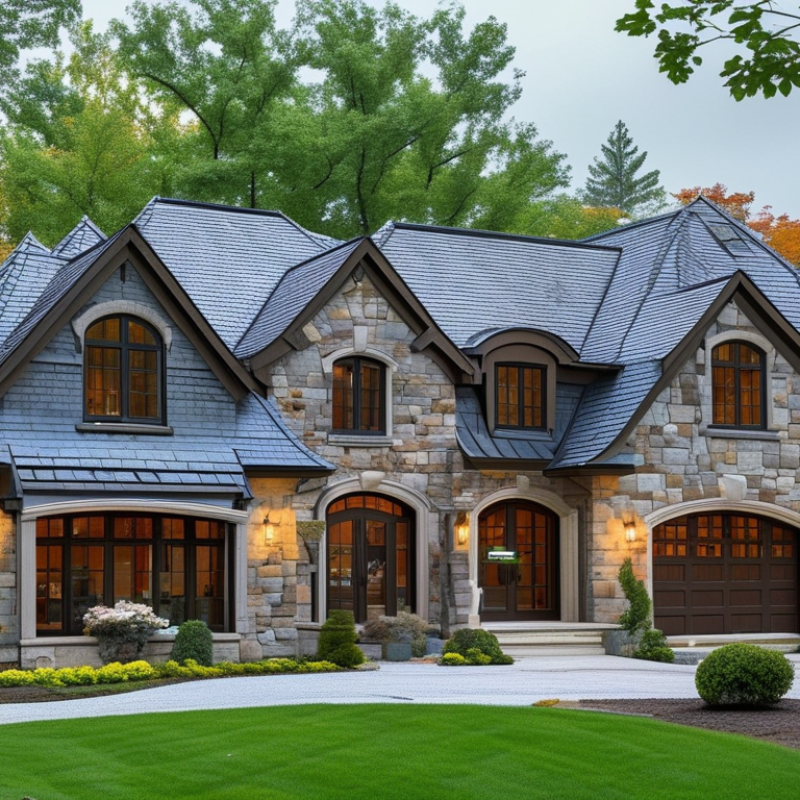
Slate roof tiles offer significant aesthetic appeal. The natural stone material creates a timeless look that enhances any structure. Their rich colors and textures provide unique visual depth. Slate roofs can complement both traditional and modern architecture. Each tile has distinct variations, making your roof a standout feature.
Choosing slate tiles can seem daunting. Here are a few tips to consider. Evaluate the overall style of your home. If you have a modern design, lighter shades may be more suitable. For classic homes, darker slates create an elegant contrast. Remember, installation can be complex, requiring skilled professionals. Always prioritize quality over cost; this ensures durability and beauty.
Maintenance is critical for slate roofs. Regular inspections help identify potential issues, preserving their aesthetic. Clean the surface gently to prevent moss buildup. While slate is resilient, it’s vital to consider environmental factors. Heavy storms or falling debris can cause damage. Stay proactive in maintaining the exquisite look of your slate roof.
Exploring the Benefits of Slate Roof Tiles in 2026 Top Choices
| Feature |
Benefits |
Aesthetic Appeal |
| Durability |
Lasts over 100 years with proper maintenance. |
Classic and timeless look enhances property value. |
| Environmental Impact |
Made from natural materials; energy-efficient. |
Variety of colors and textures available. |
| Fire Resistance |
Inherently fire-resistant, providing safety benefits. |
Graceful aging that develops an attractive patina. |
| Low Maintenance |
Requires minimal upkeep compared to other roofing materials. |
Adds sophisticated charm to any architectural style. |
| Weight |
Heavier than other tiles; may require additional support. |
Promotes a luxurious and elegant appearance. |
Cost Analysis: Comparing Slate Roofs to Other Roofing Materials in 2026
In 2026, homeowners are increasingly considering the cost-effectiveness of various roofing materials.
Slate roofs offer a durable and aesthetically pleasing option. According to the National Association of Home Builders, the average cost of a slate roof ranges from
$10 to $20 per square foot. This is higher compared to asphalt shingles, which typically cost around
$3 to $6 per square foot.
When evaluating the lifecycle costs, slate outperforms many alternatives. A report from the Roofing Contractors Association indicates that
slate roofs can last over 100 years with proper maintenance. In contrast, asphalt shingles need replacing every 15 to 30 years.
This longevity can offset the initial investment, making slate a cost-effective choice over time.
However, it’s important to consider installation costs. Skilled labor is required for slate roofing, pushing installation prices higher than their asphalt counterparts.
The complexity of the installation can also lead to potential issues if not executed correctly. Homeowners should weigh these factors carefully.
The decision isn't simply about upfront costs but long-term benefits and potential drawbacks.