How to Choose the Best Synthetic Roof Thatch for Your Project?
When planning a roofing project, the choice of materials is crucial. Synthetic roof thatch has gained popularity for its durability and aesthetic appeal. According to a report from the National Roofing Contractors Association (NRCA), synthetic thatch can last up to 50 years, significantly longer than traditional materials. This has led many in the industry to consider it a wise investment.
Expert Mark Hughes, a leading figure in the synthetic roofing industry, emphasizes, “Choosing the right synthetic roof thatch is essential for optimizing performance and appearance.” His insights highlight that while the variety of synthetic options is vast, not all products are created equal. It’s important to evaluate factors such as UV resistance and fire ratings.
However, selecting the best synthetic roof thatch requires careful consideration of various elements. Buyers often face overwhelming choices, making it easy to make a hasty decision. A reflective approach is necessary to ensure that the chosen synthetic material meets both aesthetic and functional needs. Be diligent and informed as you navigate through your options.
Understanding Synthetic Roof Thatch: Material Options and Types
When considering synthetic roof thatch, it's essential to understand the available material options and types.
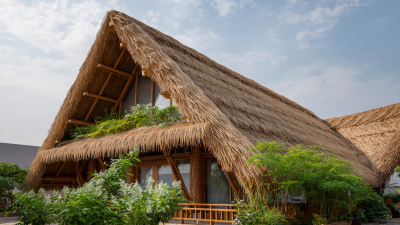
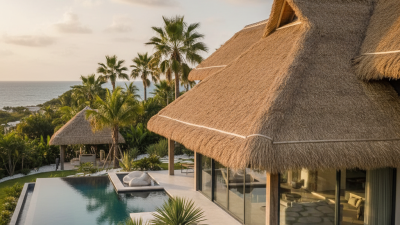
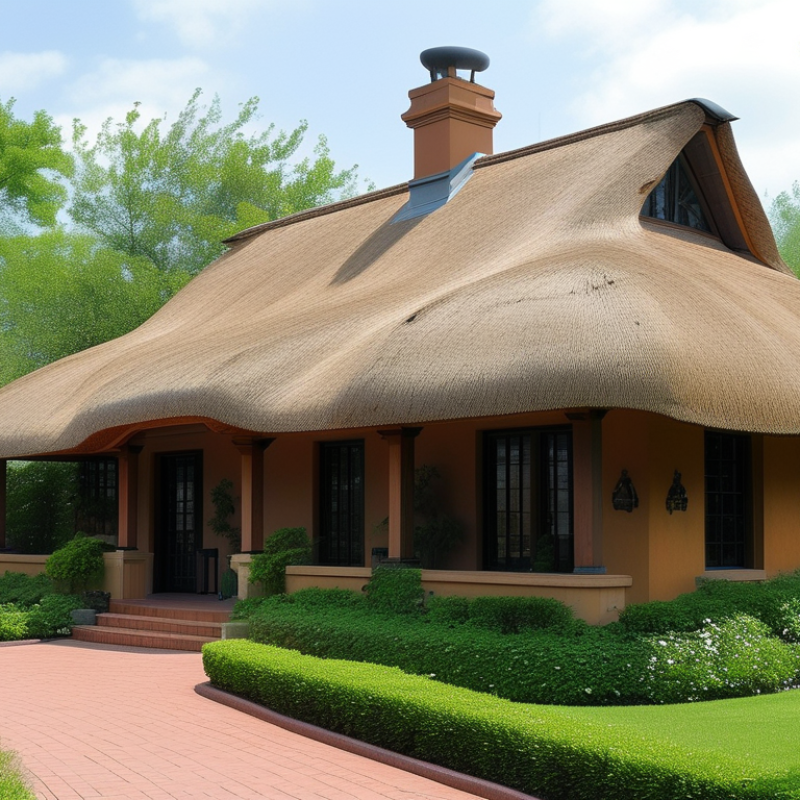
Synthetic thatch can mimic the look of natural materials while offering greater durability. Common choices include polyethylene, polypropylene, and even PVC-based products. Each type has unique qualities, such as UV resistance and fire retardancy, which can impact the longevity of your roof.
The weight and installation requirements of synthetic thatch vary. Some products are lightweight, making installation straightforward, while others require a more robust frame. It’s crucial to assess the structural support of your building. Additionally, the texture and color of the thatch can significantly influence the aesthetic appeal. While synthetic options are designed to resemble natural thatch, the finish might not always meet all expectations.
Many homeowners feel uncertain about their decisions. Some worry about how weather conditions will affect the look over time. It's important to consult with professionals who understand local climates and architectural styles. A thoughtful approach to selection can lead to a satisfactory outcome, but hesitance in making choices can delay projects.
Evaluating Durability and Weather Resistance in Synthetic Thatch
When selecting synthetic roof thatch, durability and weather resistance are paramount. Synthetic thatch materials vary widely in their ability to withstand harsh conditions. According to a recent industry report, high-quality synthetic thatch can last over 30 years, outperforming natural thatch in longevity significantly. In contrast, inferior products may deteriorate within a decade. This disparity highlights the importance of understanding material composition.
Weather resistance is another critical factor. Many synthetic thatches today are engineered to withstand extreme winds and harsh UV exposure. Research indicates that some products resist fading and cracking for decades, maintaining their visual appeal. Notably, a standard durability test showed that the best synthetic materials could endure wind speeds up to 130 miles per hour. However, it is essential to scrutinize manufacturer claims, as not all products undergo such rigorous testing.
Environmental impact is also a consideration. While synthetic materials may offer durability, their production processes can vary in sustainability. Understanding the origin and lifecycle of materials is vital. This reflects a growing need for consumers to prioritize eco-friendly options without sacrificing performance. In this evolving market, thorough research and conscientious evaluation of available data are essential for making an informed choice.
Aesthetic Considerations: Colors and Textures for Your Project
When selecting synthetic roof thatch, aesthetic elements matter greatly. Colors can evoke specific moods. Textures contribute to the overall style. A vibrant thatch can energize a space. Neutral tones tend to create calm atmospheres. Consider how these choices align with your project's vision.
The texture of thatch is equally important. Smooth finishes may suit modern designs, while rougher textures can enhance rustic themes. Remember, light interacts with textures differently. A glossy finish can reflect light beautifully, while matte surfaces absorb it. Think about your project's location and climate as well.
Tips:
Select colors that harmonize with your surroundings. Earthy tones often blend seamlessly with natural landscapes. Don’t shy away from experimenting. Drive your creativity by mixing colors and textures. Consider visual samples in various lighting. Test how they look in different seasons for the best fit. Your final choice should reflect your unique style while considering practicality.
Cost Analysis: Budgeting for Synthetic Roof Thatch Installation
When budgeting for synthetic roof thatch installation, it's essential to consider a variety of factors. The initial cost can vary widely, depending on the quality and type of materials chosen. Higher-quality synthetic thatch may come with a steeper price tag but can offer longer durability and less maintenance over time. Remember, low-cost options may seem appealing, yet they might need frequent replacements.
Labor costs also play a significant role in your budget. Skilled installation is crucial for achieving a proper fit and ensuring longevity. If the installation is poor, even the best materials can fail. It's worth investing in experienced contractors who specialize in synthetic roofing. Sometimes, cutting corners in labor can lead to bigger expenses later on.
Additional expenses might include underlayment and weatherproofing materials. These components enhance the performance of your synthetic thatch. Conduct thorough research to understand the total financial commitment required. Overlooking these potential costs might lead to unanticipated financial strain during your project. Be prepared for some unexpected expenses. This proactive approach can help you avoid stress and ensure a successful installation.
How to Choose the Best Synthetic Roof Thatch for Your Project? - Cost Analysis: Budgeting for Synthetic Roof Thatch Installation
| Type of Synthetic Thatch |
Cost per Square Foot ($) |
Expected Lifespan (Years) |
Maintenance Level |
Installation Difficulty |
| Polyethylene Thatch |
$4.50 |
20 |
Low |
Easy |
| PVC Thatch |
$5.00 |
25 |
Low |
Medium |
| TPO Thatch |
$6.00 |
30 |
Medium |
Hard |
| Coconut Fiber Thatch |
$5.50 |
15 |
Medium |
Medium |
| Natural-Look Synthetic Thatch |
$7.00 |
35 |
Low |
Medium |
Installation Processes: Best Practices and Tips for Synthetic Thatch
When installing synthetic thatch,
proper preparation is key. Start by assessing your roof's structure. Ensure it can support the
added weight of the synthetic material. Check for damage or rot in existing roofing. Repair any
issues before installation. This effort will ensure a durable and lasting result.
Consider the weather conditions when planning your installation. Install during dry weather to
allow the adhesive to set properly. Rain or high humidity can affect adhesion. Pay attention to
the temperature as well. Extreme heat or cold can alter the materials’ flexibility.
Tips: Use a safety harness when working on a slope.
Always wear protective gear, including gloves and goggles. Gather all necessary tools beforehand.
This will save time and minimize trips up and down the ladder. Remember to measure twice; cutting
inaccuracies can lead to waste. Take your time to avoid mistakes. Quality work
today will ensure a visually appealing and effective roof tomorrow.