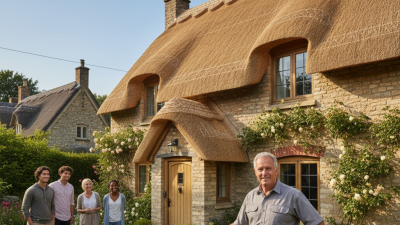
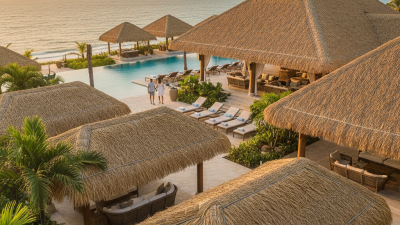
The choice of roofing material can significantly impact home safety. A Fireproof Thatch Roof stands out as an innovative option. Dr. Emily Taylor, a renowned expert in sustainable architecture, states, “Fireproof thatch is not only safe but also enhances aesthetic appeal.” Her insights highlight the growing interest in this roofing type.
Choosing a Fireproof Thatch Roof can prevent catastrophic losses from fires. Traditional thatch roofs often pose risks in hot climates. Fireproof technology has transformed thatch into a safer choice. It protects homes while providing a unique visual charm. Homeowners appreciate its dual purpose—safety and beauty.
Are there challenges? Yes, some may question the effectiveness of fireproofing methods. Increased costs could deter some buyers. It’s essential to weigh the benefits against potential drawbacks carefully. Home safety should always be a priority. Embracing innovative solutions like Fireproof Thatch Roofs can lead to safer living environments.
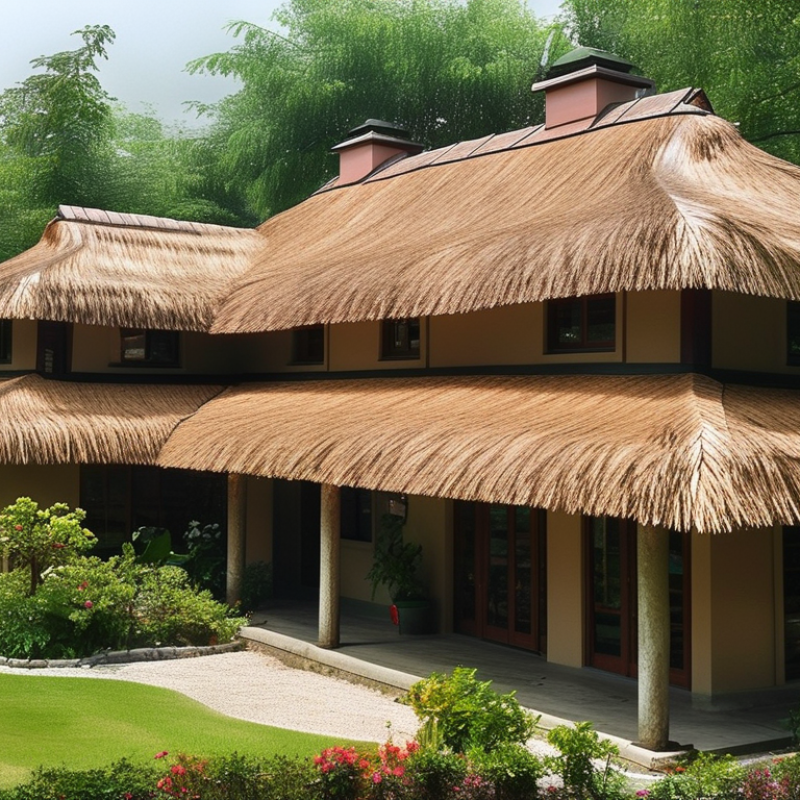
Fireproof thatch roofing offers a unique blend of traditional aesthetics and safety. Unlike standard thatch, fireproof options utilize advanced materials that resist combustion. This transformation makes homes not only beautiful but also secure. Homeowners can enjoy the rustic charm of thatch without the typical fear of fire hazards.
The benefits are clear. Fireproof thatch can withstand extreme temperatures, reducing the risk of roof damage. Insurance companies often favor fire-resistant materials, lowering premiums for homeowners. Additionally, these roofs can last longer than traditional thatch when exposed to fire. Their durability is a key selling point for many families.
Yet, there remain challenges. Not all fireproof thatch products perform equally. Some might cost more than expected or lack the desired aesthetic appeal. Homeowners should conduct thorough research, ensuring the product meets both safety standards and personal design preferences. Balancing safety and beauty requires careful consideration and reflection.
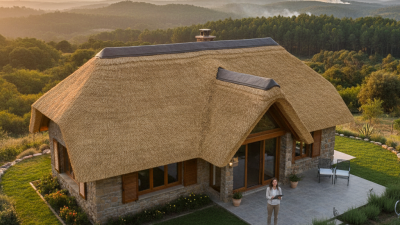
Modern thatch materials have evolved significantly, enhancing their fire resistance. Traditional thatch can be highly flammable. However, advancements in materials now offer impressive fire protection. Reports show that synthetic thatch can withstand higher temperatures than natural products. For example, tests reveal some synthetic materials resist flames for over three hours. This is an important consideration for home safety.
Fireproof thatch roofs often utilize unique coatings. These coatings prevent ignition and slow down fire spread. According to industry research, roofs treated with these coatings can reduce fire risk by up to 73%. The treatment process requires careful application and maintenance. Improper installation can lead to flaws that compromise safety.
Homeowners should also consider local regulations. Many regions have specific guidelines regarding fire-resistant roofing. It is crucial to comply with these standards. Reports indicate that homes with fire-rated roofs experienced fewer fire-related incidents. This highlights the importance of informed choices in roofing materials. Balancing aesthetics with safety is not always easy. However, investing in fireproof thatch roofs could be a wise decision for long-term protection.
When considering the safety of your home, the roofing material plays a crucial role. Traditional thatch roofs have a long history, often charming but inherently flammable. In fact, data from the National Fire Protection Association indicates that thatch roofs have a significantly higher risk of igniting during high winds or in proximity to open flames. The lack of fire resistance can lead to devastating property loss and hazards to life.
In contrast, fireproof thatch roofs offer a safer alternative. Recent studies show that these materials can withstand temperatures exceeding 1000 degrees Celsius without igniting. This impressive fire resistance stems from their innovative composition and treatment processes. Homes equipped with fireproof thatch roofs not only reduce the risk of fires but can also lower insurance premiums. The Insurance Information Institute notes that properties with fire-rated roofs may qualify for significant discounts.
Yet, the transition to fireproof thatch does pose challenges. Homeowners may find it harder to source quality materials. Moreover, installation requires skilled professionals familiar with fireproof techniques. It's essential to balance aesthetics and safety, ensuring that your choice complements your home's design while prioritizing individual and community safety.
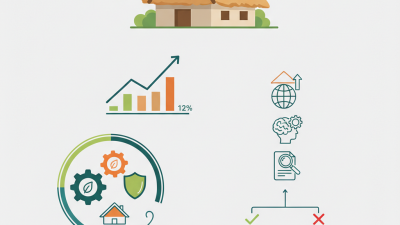
The chart above illustrates the fire resistance ratings of fireproof thatch roofing compared to traditional thatch roofing. As shown, fireproof thatch offers a significantly higher rating, making it a safer choice for homeowners concerned about fire hazards.
When considering a fireproof thatch roof for your home, installation is crucial. It requires skilled labor and careful planning. The thatch should be made from fire-resistant materials. This ensures higher safety standards. The installation must follow local building codes, which can vary. Knowing these codes is essential for compliance and safety.
Choosing the right contractor is just as important. Look for professionals with experience in fireproof thatch roofs. They should understand the unique challenges this material presents. For example, installation may include adding fire barriers. These barriers can help slow down the spread of fire. It’s not just about the roof but the entire system's effectiveness.
During installation, proper ventilation is also key. Good airflow can enhance the roof's longevity and safety. Homeowners must be vigilant about maintenance, too. Regular checks for any wear or damage are necessary. Ignoring small issues can lead to larger problems later. Fireproof thatch roofs offer benefits, but they require dedication and care from homeowners.
Maintaining a fireproof thatch roof involves careful attention to detail. Regular inspections are essential for detecting damage early. Look for loose or worn-out thatch, as this can compromise the roof's fire resistance. Ensure that any debris, such as leaves or branches, is cleared away promptly. This helps in reducing fire hazards.
Cleaning your thatch roof is also crucial. Simple rinsing with water removes dirt and grime. Avoid chemicals that could harm the natural materials. Consider using a soft brush for stuck debris. This task should be done a few times a year. It not only preserves the appearance but also longevity.
Consider applying a fire retardant treatment. This provides an added layer of protection. Consult a professional for the right products and methods. Regular treatments can enhance the roof's resistance to fire. Review your maintenance plan annually and make adjustments where necessary. A proactive approach ensures both safety and beauty for years to come.
| Dimension | Details |
|---|---|
| Fire Resistance Rating | Class A (Highest Level) |
| Cost Range | $10-$25 per square foot |
| Lifespan | 15-50 years depending on maintenance |
| Maintenance Frequency | Every 3-5 years |
| Cleaning Techniques | Water spray, soft brushes |
| Common Issues | Moss growth, wear from weather |
| Additional Treatments | Fire retardants, fungicides |