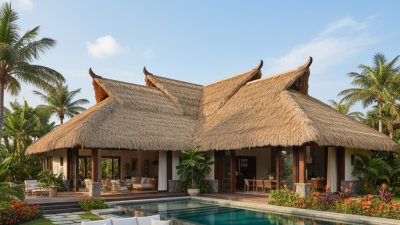
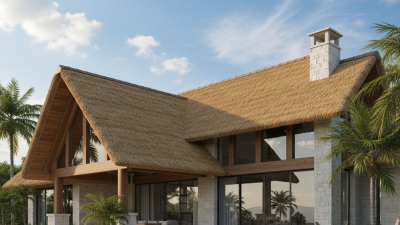
How to Choose the Best Theme Park Synthetic Thatch for Your Needs?
Choosing the best Theme Park Synthetic Thatch for your needs requires careful consideration. In an industry where the right materials can influence both aesthetics and functionality, it becomes crucial to understand various options. According to a report by the Global Thatch Market Analysis 2023, synthetic thatch is gaining traction with a market growth rate of 15% annually.
Expert John Steele, a recognized authority in park design, states, "The right thatch can significantly enhance the immersive experience of a theme park." This emphasizes the need for quality and suitability. Many parks overlook the importance of proper thatch selection, leading to aesthetic inconsistencies and durability issues.
When assessing your options for Theme Park Synthetic Thatch, think about your park's theme, climate, and longevity requirements. Choices may feel overwhelming, and not all products deliver on promises. The process may require reflection and a willingness to explore various alternatives for the best outcome.
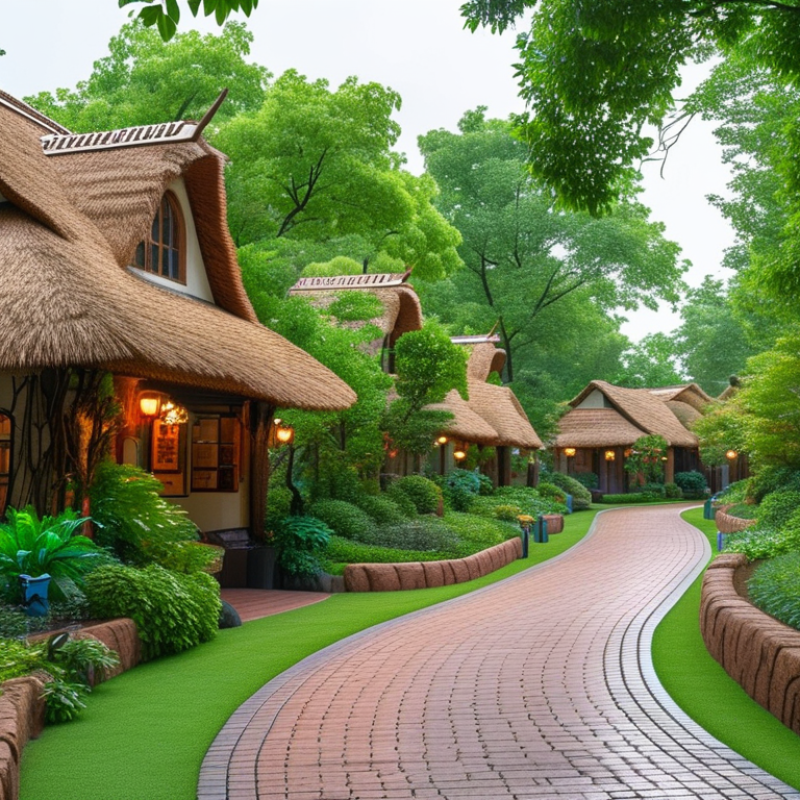
Understanding the Basics of Synthetic Thatch Materials
Choosing the right synthetic thatch for theme parks involves understanding the materials available. Synthetic thatch replicates the look of natural thatch while providing durability. Often made from PVC or polyethylene, these materials resist fading and weathering. According to a recent industry report, synthetic thatch can last up to 25 years with proper maintenance.
Cost is another factor in your decision. An estimate shows that synthetic thatch is about 20-30% cheaper than traditional materials. However, some users report difficulty in installation. It’s vital to ensure that installation is performed correctly to avoid potential issues. There are different textures and colors available that mimic various natural materials, but not all are equal in quality.
It’s worth noting that while synthetic options can be less expensive, their aesthetic appeal may not always match that of real thatch. Some users have found that they need to reconsider their initial choices after installation, particularly if the selected product does not fit the surrounding environment. Therefore, it's essential to research thoroughly. Engaging with industry experts can provide valuable insights into selecting the best synthetic thatch for your needs.
Evaluating the Aesthetic Appeal of Synthetic Thatch Options
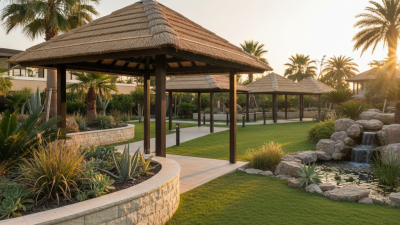
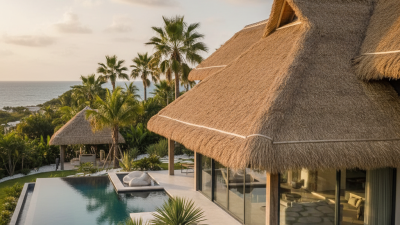
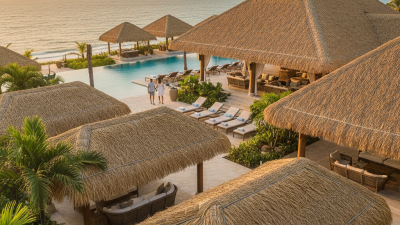
When evaluating the aesthetic appeal of synthetic thatch for theme parks, consider its visual impact. Synthetic thatch can mimic natural materials, providing an exotic look without the upkeep. Different styles available range from traditional to contemporary. You may feel drawn to one type, but remember to think about the surrounding environment.
Color and texture play vital roles in aesthetic appeal. Some synthetic thatch options come in vibrant hues, while others may offer subtle earthy tones. Testing samples enables you to visualize how they blend with existing structures. The right choice can enhance the immersive experience of visitors.
Inspecting the quality is also essential. A visually appealing synthetic thatch should look convincing up close. It may be beneficial to review installation and maintenance requirements. A beautiful look doesn't always mean it’s practical. Seek advice from professionals in the field for a more informed decision.
Assessing Durability and Weather Resistance of Synthetic Thatch
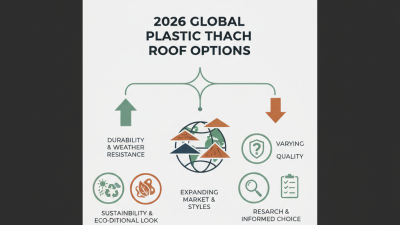
When selecting synthetic thatch for your theme park, durability and weather resistance are crucial. The ideal material should withstand harsh elements like rain, wind, and sun. Not all synthetic thatch options perform equally under these conditions. Some may fade or degrade over time, losing their appeal. Conducting thorough research helps identify materials that maintain their integrity.
Assessing weather resistance involves understanding the specific climate your theme park faces. Areas with heavy rainfall require more robust synthetic materials. Look for options that have been tested against UV exposure and extreme temperatures. This can prevent premature aging and minimize maintenance costs. Observe structures that use synthetic thatch in different environments. Note their condition after extended exposure to various weather scenarios.
It's not always a straightforward choice. Different manufacturers may have varying claims about durability. Personal experiences can differ widely. Consider seeking expert opinions from professionals who specialize in synthetic materials. Their insights can provide valuable guidance. Make sure to ask them about long-term performance metrics. Their advice may reveal critical factors worth considering for your park’s unique needs.
Budgeting for Your Theme Park's Synthetic Thatch Implementation
Budgeting for synthetic thatch in your theme park is essential. It involves more than just the cost of materials. Consider installation expenses, maintenance, and potential repairs. A well-planned budget ensures that your project remains feasible and meets aesthetic goals.
Explore different options that vary in price. Some synthetic thatches may seem cheaper but offer less durability. Higher-quality thatch could require a larger initial investment. However, it may save costs in the long run. Allocate funds for expert installation. The right team can make a significant difference in the outcome and longevity of the thatch.
Reflect on your goals for the park. How will synthetic thatch enhance the visitor experience? Will it blend with the overall theme? Understanding the value can guide your financial decisions. Some aspects of the project may take more time and might not go as expected. Having a flexible budget allows adjustments as needed.
Exploring Installation and Maintenance Considerations for Synthetic Thatch
When considering synthetic thatch for a theme park, installation plays a crucial role. Proper installation ensures the longevity and aesthetic appeal of your thatch. It is essential to follow manufacturer guidelines closely. These may vary based on materials. Professional installation is often recommended. However, skilled DIY enthusiasts can manage it too. Ensuring a level surface is vital. This helps in preventing water pooling, which can damage the thatch over time. Expert advice can be beneficial here.
Maintaining synthetic thatch requires regular inspections. Look for signs of fading or wear. Although synthetic materials are durable, they can still degrade from UV exposure. Cleaning the surface can prevent dirt accumulation. A gentle wash with water is usually sufficient. However, harsh chemicals should be avoided. They might compromise the integrity of the thatch. Over time, you may notice areas needing repair. Addressing these quickly prevents larger issues.
Consider the environment in which your thatch will be used. Weather conditions play a role in maintenance needs. In areas with high wind, ensure secure fastening. Reflect on the materials used and their resilience. While synthetic thatch is generally robust, some materials perform better than others in different climates. Regular attention to maintenance can enhance its lifespan and overall performance.