How to Choose the Best Roof Shingles for Your Home?
Choosing the right roof shingles for your home can feel overwhelming. Factors like durability, style, and cost are crucial. Renowned roofing expert, Mark Thompson, emphasizes, “The right roof shingle can elevate your home’s value and efficiency.”
Understanding your options is essential. Different materials, such as asphalt, wood, or metal, offer distinct benefits and drawbacks. Asphalt shingles are popular for affordability, while metal provides longevity. However, it’s important to weigh these aspects carefully. A beautiful shingle might not be the best choice in harsh climates.
Many homeowners overlook the installation process and maintenance needs. Quality shingles require professional installation to ensure longevity. If improperly installed, even the best roof shingle can perform poorly. Reflect on your choices, and remember that investing in the right shingle will pay off in the long run.
Factors to Consider When Selecting Roof Shingles for Your Home
Choosing roof shingles for your home can be overwhelming. One important factor is climate. Different materials perform differently in various weather conditions. For instance, asphalt shingles work well in moderate climates, while metal shingles may be better in areas with heavy rainfall or snow.
Another consideration is durability. Some shingles can last for decades, while others’ lifespans may be much shorter. It’s essential to consider the long-term investment of your choice. Higher-quality shingles often come with longer warranties.
Aesthetic appeal also plays a role. The color and style of shingles can significantly affect your home’s curb appeal. Homeowners may think they want a specific style, but it’s wise to consider how it complements the overall architecture. Reflect on these factors carefully before making a decision. It may not be perfect, but that’s part of the process.
Types of Roof Shingles: Pros and Cons of Each Material
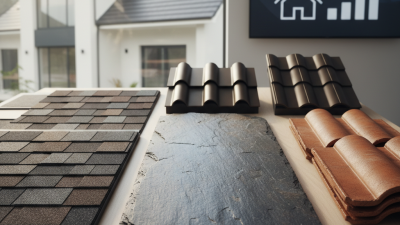
Choosing the right roof shingles involves understanding different materials and their advantages. Asphalt shingles are popular for their affordability and ease of installation. They come in various styles and colors, making them versatile for many homes. However, their lifespan is often shorter than that of other materials. Homeowners should consider the trade-off between cost and durability.
Wood shingles offer a unique aesthetic. They provide excellent insulation, helping to keep homes warm in winter. Yet, wood requires maintenance to prevent rot and insect damage. It may also not be the best choice in areas prone to wildfires. Metal roofing is durable and long-lasting, resistant to extreme weather conditions. Still, it can be more expensive upfront compared to other options.
Slate shingles are visually striking and incredibly durable, lasting for decades. However, installation can be costly due to their weight. This material needs a strong roof structure, which could entail additional work. Ultimately, the best choice requires careful consideration of your home's location, budget, and personal preferences. Each material has its benefits and drawbacks, and the right fit depends on individual needs.
How to Choose the Best Roof Shingles for Your Home? - Types of Roof Shingles: Pros and Cons of Each Material
| Type of Shingle |
Material |
Pros |
Cons |
Lifespan |
Cost (per square) |
| Asphalt Shingles |
Fiberglass or organic mat coated with asphalt |
Affordable, easy to install, available in various colors |
Less durable than other materials, prone to algae |
20-30 years |
$90 - $100 |
| Metal Shingles |
Steel, aluminum, or copper |
Long-lasting, energy-efficient, fire-resistant |
Higher upfront cost, can be noisy during rain |
40-70 years |
$250 - $300 |
| Wood Shingles |
Cedar, redwood |
Aesthetic appeal, natural insulation |
Requires maintenance, can be susceptible to rot |
30-50 years |
$200 - $250 |
| Slate Shingles |
Natural slate stone |
Extremely durable, enhances property value |
Very heavy, expensive installation |
75-100 years |
$600 - $800 |
| Clay and Concrete Tiles |
Clay or cement materials |
Very durable, energy-efficient |
Heavy, requires sturdy roof structure |
50+ years |
$300 - $600 |
Understanding Your Climate and Its Impact on Shingle Choice
Climate plays a crucial role in selecting the right roof shingles for your home. Areas with heavy rainfall require shingles that can withstand moisture. According to the National Roofing Contractors Association, asphalt shingles are popular in such regions. They offer durability against water damage. However, in areas prone to extreme heat, metal roofing might be a better option. It reflects sunlight, helping to keep homes cooler.
Different climates also affect shingle longevity. For example, shingles in coastal areas face salt and humidity. This accelerates wear and tear. A study by the Asphalt Roofing Manufacturers Association indicates that such shingles need to be replaced more frequently. Even within a single climate zone, local weather patterns can vary significantly, impacting lifespan and performance.
Consider regional weather fluctuations when selecting shingles. This is an often-overlooked aspect of roofing. Many homeowners focus solely on aesthetics. Neglecting climate can lead to premature failure of roof materials.
It's essential to align your choice with local conditions. Doing so can save you time and money in the long run.
Budgeting for Roof Shingles: Costs and Long-Term Savings
When budgeting for roof shingles, costs can vary significantly based on the material. Asphalt shingles are one of the most popular choices, often costing between $90 to $100 per square. This option balances affordability and durability. On the other hand, metal and tile options tend to start at $300 per square and can go much higher. Choosing more expensive materials can lead to long-term savings due to their longer lifespan and lower maintenance needs.
Investing in higher-quality shingles may seem daunting upfront. However, according to the National Association of Home Builders, high-end options can last 50 years or more. In contrast, cheaper alternatives may only offer a lifespan of 15 to 20 years. This means you could spend more over time maintaining or replacing a lesser-quality roof, impacting your overall budget. It’s crucial to weigh initial costs against potential long-term savings.
Also, consider the energy efficiency of your shingles. Certain materials reflect heat, reducing cooling costs. The Department of Energy estimates that reflective roofs can reduce energy costs by 10 to 15%. However, the upfront cost of these shingles may deter some homeowners. Reflecting on your personal needs and home budget can guide the best choice. Not every option will fit every budget or home style.
Installation and Maintenance Tips for Selected Roof Shingles
When you install new roof shingles, proper installation is crucial for longevity. Start by ensuring the roof deck is clean and dry. This foundational step prevents future leaks. Use quality underlayment for added protection. It acts as a barrier against water and extends the lifespan of your shingles. Shingle placement should follow manufacturer guidelines closely. Misalignment can lead to further issues.
Maintenance is equally important after installation. Regular inspections help catch damage early. Check for signs of wear like curling or missing shingles. Fallen debris can trap moisture, so clear it away promptly. Additionally, keep gutters clean. Clogged gutters direct water onto the roof, increasing the risk of leaks.
Consider seasonal changes too. In colder climates, ice dam formation can stress shingles. Use heat cables if necessary, but install them correctly. It's vital to reflect on your roof’s condition regularly. Each small issue can lead to bigger problems down the line. Understanding these aspects ensures your shingles perform well over time.
Comparison of Popular Roof Shingles Types