Best Theme Park Thatch Options for Your Next Project?
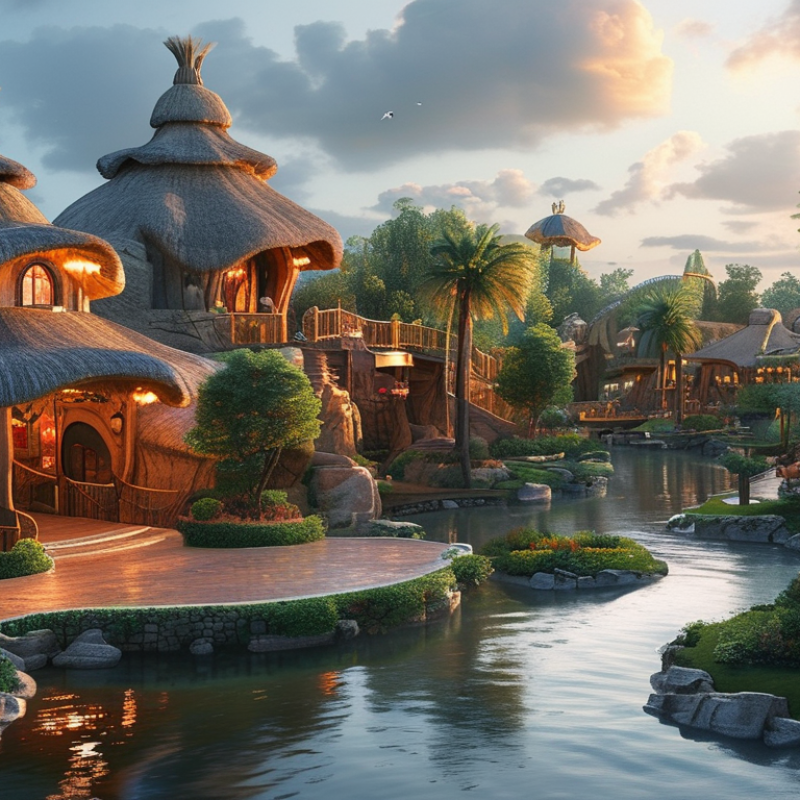
Creating an immersive experience in a theme park is essential. One element that adds authenticity is Theme Park Thatch. This traditional roofing material evokes a sense of nostalgia and charm. However, selecting the right thatch options requires careful thought.
There are various types of thatch available. Each type offers unique benefits and challenges. Some options can be costly due to maintenance needs. Others may not stand up to harsh weather conditions. It's crucial to weigh these factors before making a decision.
Understanding the surrounding environment is key. A great design must harmonize with nature. Proper installation and upkeep are also critical for longevity. Investing time in research will lead to better choices. Ultimately, the right Theme Park Thatch can transform spaces, blending the past with the present.
Best Theme Park Thatch Options: A Comparative Analysis of Materials
When planning a theme park project, selecting the right thatch material is crucial. Several options exist, each offering unique aesthetics and durability.
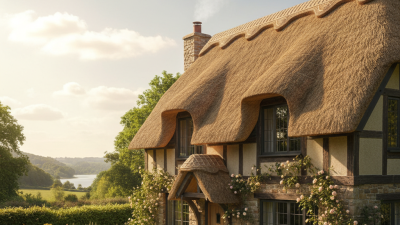
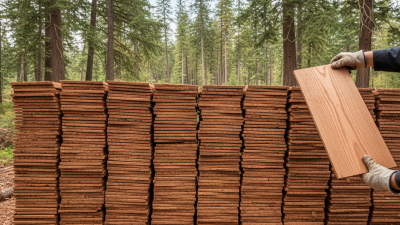
Natural thatch, made from reeds or grasses, provides a visual appeal that attracts visitors. However, it requires regular maintenance to withstand weather conditions.
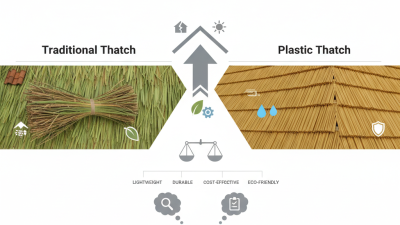
Synthetic thatch is an alternative, offering longer-lasting durability with minimal upkeep. While it may lack the authenticity of natural materials, it can mimic the look closely.
Tip: Consider local climate when choosing thatch materials. Harsh conditions can impact the longevity and upkeep needed for your thatch.
Another option is composite thatch, combining natural and synthetic fibers. This option can blend aesthetic appeal and superior durability.
Composite products can tackle issues like fading and degradation that plague pure materials. However, they often have a higher initial cost.
Tip: Always evaluate the long-term costs of maintenance versus initial expenditure. It can save money and effort down the line.
Reflect on your park's theme and audience. The perfect thatch choice will resonate with guests, but balancing costs and features is essential. How long do you want your materials to last? Which look will you choose? These considerations can shape your project's overall success.
Sustainability in Theme Park Thatch: Environmental Impact and Benefits
Sustainability in theme park thatch is becoming more significant. The environmental impact of materials used in construction affects ecosystems. Thatch, often sourced from sustainable grasses and reeds, minimizes carbon footprints. Research shows that natural materials reduce energy consumption during production. Sustainable thatch can lower overall maintenance costs by providing natural insulation.
Choosing eco-friendly thatch supports local economies. Many communities rely on thatching as a traditional craft. Supporting local artisans strengthens their livelihoods and promotes cultural preservation. Yet, this practice faces challenges. Overharvesting and climate change threaten the availability of quality materials. The balance between usage and conservation is delicate.
Recent studies indicate that parks using eco-friendly materials see visitor engagement grow by 30%. Visitors today prefer sustainable attractions. They are more willing to pay for eco-conscious options. This shows a shift in consumer behavior towards sustainability. Parks must consider this trend. Failure to do so risks alienating a growing demographic of eco-aware visitors.
Cost Analysis of Thematic Thatch: Budgeting for Your Next Project
When considering thematic thatch for your park, budgeting is crucial. The cost of thatch can vary significantly depending on material choice and installation methods. Natural thatch offers an authentic look but demands a higher investment. Synthetic options, while less expensive, may lack the charm of their natural counterparts. Both options have pros and cons that need careful evaluation.
Labor costs are another factor in the budget analysis. Thatch installation requires skilled labor. It's essential to factor in these expenses when planning your project. A DIY approach might reduce costs, but it also risks quality. Reflect on the trade-off between budget and the desired aesthetic. The initial investment can lead to long-term maintenance savings, especially if quality materials are used.
Researching local regulations is also vital. Some areas have restrictions related to thatch, affecting your overall cost. Ignoring such guidelines can lead to fines or rework. Taking the time to understand these factors will help ensure your project's success. Balancing desire with budget will be the key challenge.
Durability and Maintenance of Thatch in Theme Park Settings
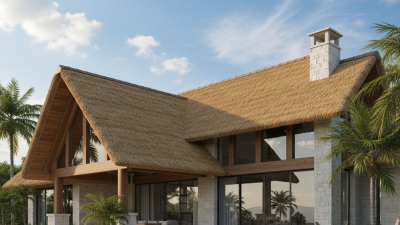
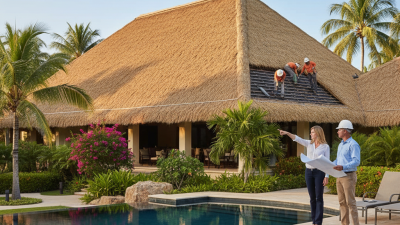
When considering thatch for theme parks, durability and maintenance are vital. Thatch can enhance the aesthetic, giving a tropical or rustic feel. However, its lifespan is influenced by weather and environmental conditions. Maintaining thatch in high-traffic areas is challenging. Regular inspections are crucial.
Tips: Apply protective treatments to help resist UV damage and moisture. Use a maintenance team trained in thatch care. They can spot issues early, prolonging lifespan.
While thatch offers unique charm, it also comes with drawbacks. The material requires regular maintenance to prevent decay. Without care, it can easily lose its appeal. Budget for consistent upkeep to ensure thatch remains a viable option over time.
Tips: Schedule seasonal cleanings and repairs. This can minimize larger costs later. Educate staff on the signs of wear for timely action.
Trends in Theme Park Design: Innovative Thatching Techniques of 2023
As theme parks continue to evolve, innovative thatching techniques are gaining popularity in 2023. Designers are exploring sustainable materials, providing both practical and aesthetic benefits. Thatching, traditionally associated with rustic architecture, now incorporates modern fibers and textures. This shift enhances the durability of structures while maintaining an authentic look.
New design trends highlight the importance of local materials. Using indigenous grasses and reeds helps to connect the park’s theme with its geographical context. Craftspeople are adopting advanced methods, ensuring the roofs are not only eco-friendly but also resilient against weather conditions. This approach raises questions about cost versus sustainability and long-term maintenance.
Additionally, integrating technology into thatching processes can yield mixed results. Smart materials that respond to environmental changes are being tested. However, there is uncertainty about their effectiveness over time. The tension between moving forward with innovation and preserving traditional craftsmanship is palpable. It's a balancing act that every designer must navigate in today’s theme park landscape.