Top 5 Tips for Choosing Cedar Shingle for Your Project?
Choosing the right material for your project can be daunting. When it comes to external cladding, cedar shingle offers unique advantages. According to John Thompson, a renowned expert in the cedar shingle industry, "Quality and authenticity are key when selecting cedar shingles for any project." His insight emphasizes the importance of making informed decisions.
Cedar shingles are not only aesthetically pleasing but also highly functional. Their natural resistance to decay makes them ideal for various weather conditions. However, with various options on the market, choosing the best one can be challenging. It’s crucial to evaluate the quality, sourcing, and installation methods thoroughly.
Many homeowners may overlook the long-term benefits and costs associated with cedar shingles. While they are more expensive than synthetic alternatives, their lifespan and beauty often outweigh the initial investment. As you embark on your project, remember that thoughtful decision-making will lead to a more satisfying outcome.
Understanding Cedar Shingle Types: Western Red versus Northern White
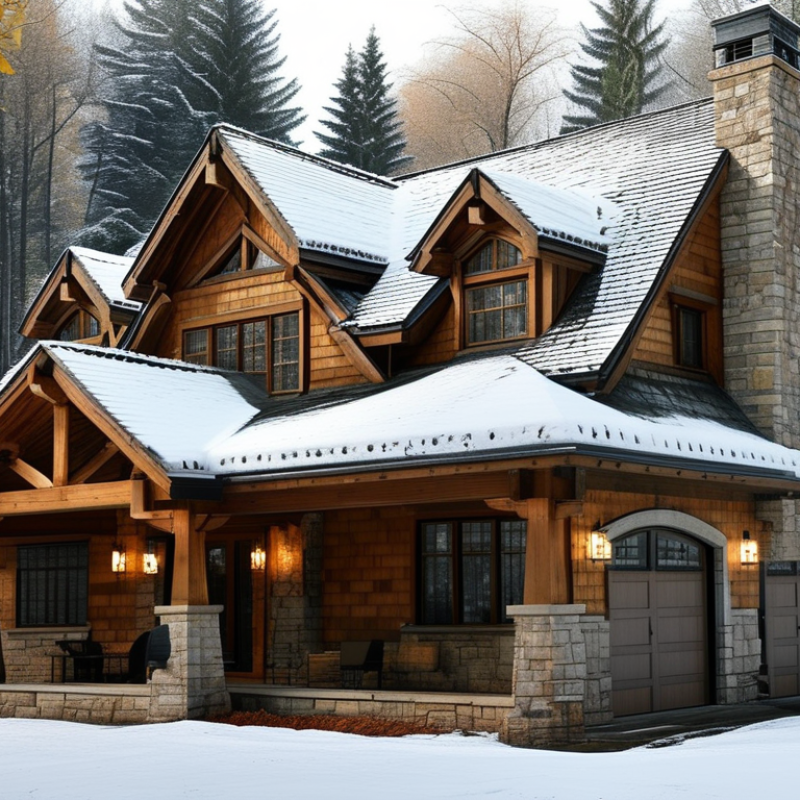
When choosing cedar shingles, understanding the two main types—Western Red Cedar and Northern White Cedar—can greatly influence your project. Western Red Cedar is known for its rich color and natural resistance to decay. It has a beautiful, warm tone that can enhance the aesthetic of any exterior. However, it can be more prone to splitting and may require more maintenance over time.
On the other hand, Northern White Cedar is lighter and has a straight grain. It offers excellent insulation and is less likely to warp. This type of cedar can withstand harsh weather conditions better than its Western counterpart. Its light color gives a clean, modern look. Yet, some may find it less visually striking.
Consider your location and climate when making a choice. Western Red may fade beautifully in sunny places. Northern White often excels in humid areas. Both types have their merits and drawbacks. A clear understanding allows for a better decision aligned with your project's needs. Sometimes, the choice can feel overwhelming. Engaging with professionals can provide insights tailored to your specific circumstances.
Evaluating Cost Factors: Budgeting for Cedar Shingle Installation
When budgeting for cedar shingle installation, consider several cost factors. The price of cedar shingles varies widely, depending on the quality and grade. Better quality means more durability, but it comes at a higher price. Weighing the long-term benefits of higher-quality shingles may save you money in repairs later.
When evaluating your budget, include installation costs. Labor can significantly affect your overall expenses. If you plan to hire professionals, get multiple quotes to ensure you receive a fair price. If you're considering a DIY approach, be prepared for a time investment. However, it can save money if you're skilled and equipped for the task.
Selecting the right type of cedar is crucial. Western Red Cedar is popular for its natural resistance to decay. Remember to account for potential maintenance costs, like staining or sealing, in the future. Lastly, think about local climate conditions. Harsh weather can affect the longevity of the shingles, which can play into your initial investment. Balancing these factors will help in making an informed decision.
Top 5 Cost Factors for Cedar Shingle Installation
Assessing Durability and Longevity: What to Expect from Cedar Shingles
When selecting cedar shingles for your project, durability and longevity are key factors. Cedar is known for its resistance to rot and decay, making it an ideal choice for outdoor applications. Shingles made from western red cedar have a natural ability to withstand harsh weather conditions. However, the choice of wood grade affects performance. Higher grades tend to last longer and resist curling better than lower grades.
Expect a lifespan of 30 to 50 years with proper maintenance. Regular inspections are essential. Painted or stained shingles may require updates every few years. This can lead to additional costs over time. While cedar is an excellent option, environmental conditions play a role in its longevity. In humid regions, mildew may develop, requiring extra care. Some homeowners might find the upkeep challenging.
Overall, choosing cedar shingles involves understanding both their advantages and drawbacks. Awareness of these aspects helps in making a well-informed decision. Consider your location and maintenance readiness when deciding on your project. Investing time in research will lead to better outcomes.
Importance of Wood Grading: Identifying Quality Standards in Cedar Shingles
Choosing cedar shingles for your project involves more than just picking a color or style. The grading of wood is crucial in determining its quality. High-quality cedar shingles come from trees that are older and more mature. These shingles can withstand harsher weather conditions and last longer, reducing maintenance costs over time.
Understanding cedar shingle grades helps identify reliability. Grades range from select to common grades. Select grades feature fewer knots and defects, ensuring a smoother finish. Common grades may show more imperfections but can still perform well in appropriate settings. Knowing these differences allows for informed decisions that align with your project needs.
While aesthetics are important, quality must not be ignored. A beautiful shingle can disappoint if it fails to perform. Some homeowners opt for cheaper options but pay the price later with repairs. Balancing cost and quality is essential. Observing grade labels and asking for certifications can safeguard your investment, ensuring your project stands the test of time.
Maintenance Requirements: Ensuring the Longevity of Your Cedar Shingle Roof
Maintaining a cedar shingle roof is vital for its longevity and aesthetic appeal. Regular maintenance can extend its lifespan significantly, with some studies suggesting that a well-cared-for cedar roof can last over 30 years. To achieve this, it is crucial to perform annual inspections and address any signs of wear early. Look for loose or damaged shingles and replace them promptly to avoid water leaks.
A crucial aspect of maintaining cedar shingles is cleaning. Moss and algae can accumulate over time, leading to deterioration. Regular washing with a gentle solution can help, but avoid high-pressure methods that may damage the wood. It’s also advised to use a sealant every few years to protect against moisture intrusion, which, according to industry reports, can reduce the risk of deformation and warping by up to 60%.
Consider opting for thicker shingles. Thicker cedar shingles offer better insulation and a longer lifespan. Weight also matters; heavier shingles can withstand harsher weather. Keep in mind that while cedar shingles are known for their beauty, they require commitment. The initial costs may be higher, but their durability means fewer replacements over time. Invest in quality materials and procedures to ensure that your cedar roof meets its full potential.