Why Choose Cedar Shingle for Your Home Roofing Needs?
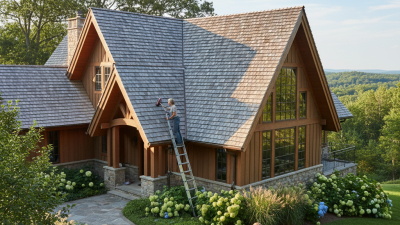
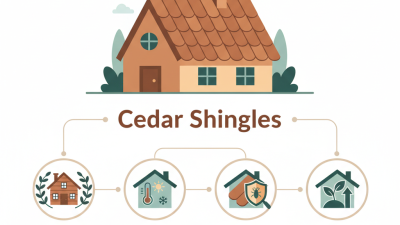
When considering roofing options, homeowners often overlook the beauty and durability of Cedar Shingle. Renowned roofing expert, Dr. Emily Johnson, emphasizes the appeal of this material: "Cedar Shingle roofs can enhance the character of any home while providing unmatched longevity." With a rich natural look and excellent insulation properties, Cedar Shingle has become a preferred choice.
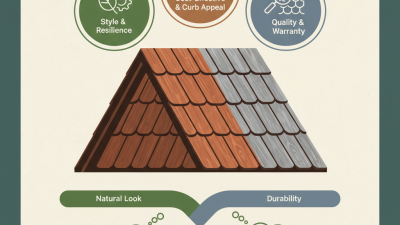
Cedar Shingle not only provides aesthetic appeal but also offers practical benefits. This material is lightweight, easy to install, and resistant to decay. It can withstand harsh weather conditions and is less prone to storm damage than other roofing types. However, maintaining Cedar Shingle requires regular care, which some homeowners might find challenging.
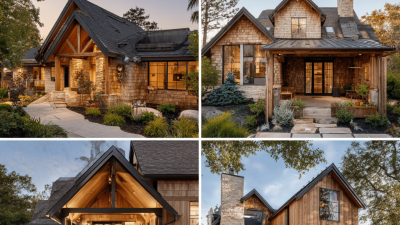
Choosing Cedar Shingle for a roofing project reflects a commitment to quality and style. Its natural properties mean every shingle has a unique grain and color, adding character to your home. While it may not suit every budget, the long-term benefits can justify the initial investment. Weighing the pros and cons is essential, as each home and owner's needs are unique.
Benefits of Cedar Shingles in Residential Roofing Solutions
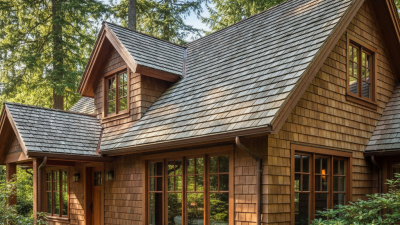
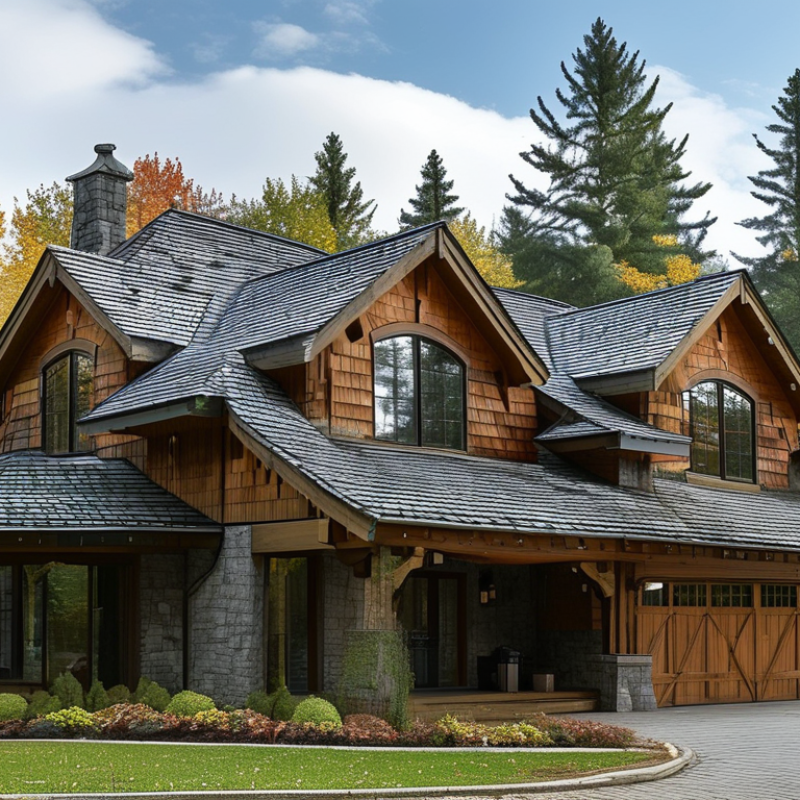
Cedar shingles have become a popular choice for residential roofing. Their natural aesthetics enhance a home's charm. Cedar offers a rustic look that complements various architectural styles. According to industry reports, cedar shingles are not just attractive but also durable. They can last 30 years or more with proper maintenance, significantly outlasting other materials.
One of the key benefits is insulation. Cedar shingles provide excellent thermal performance. This can lead to lower energy bills and increased comfort. A study by the National Association of Home Builders shows that homes with quality cedar roofing can save up to 15% on energy costs. Besides energy efficiency, cedar has natural resistance to decay and insects, which adds to its longevity.
However, it is essential to consider the maintenance involved. Cedar roofs require regular treatments to preserve their quality. Neglecting upkeep can shorten their lifespan significantly. Homeowners must balance the beauty and benefits with the commitment to maintenance. This thoughtful approach can maximize the advantages of cedar roofing in any residential solution.
Why Choose Cedar Shingle for Your Home Roofing Needs? - Benefits of Cedar Shingles in Residential Roofing Solutions
| Benefit |
Description |
Lifespan (Years) |
Cost per Square Foot |
| Natural Aesthetics |
Cedar shingles provide a warm, natural look and enhance the curb appeal of homes. |
30-50 |
$5.50 - $10.00 |
| Durability |
Resistant to extreme weather conditions; can last for several decades with proper maintenance. |
30-50 |
$5.50 - $10.00 |
| Energy Efficiency |
Cedar shingles offer natural insulation, helping to keep homes cooler in summer and warmer in winter. |
30-50 |
$5.50 - $10.00 |
| Environmentally Friendly |
Cedar is a renewable resource and is biodegradable at the end of its life cycle. |
30-50 |
$5.50 - $10.00 |
| Low Maintenance |
Requires only regular cleaning and occasional treatment to retain its beauty and longevity. |
30-50 |
$5.50 - $10.00 |
Durability and Longevity of Cedar Shingles Compared to Other Materials
Cedar shingles offer remarkable durability for roofing. Their natural resistance to rot and insects makes them a top choice for homeowners. Unlike asphalt or metal roofs, cedar can last up to 50 years with proper care. They age gracefully, developing a beautiful weathered look that many find appealing. This longevity can save you significant repair and replacement costs over time.
Cedar also provides excellent insulation. It keeps your home cooler in summer and warmer in winter, reducing energy bills. This environmental benefit emphasizes cedar's position as a sustainable roofing option. When compared to synthetic materials, cedar stands out due to its unique properties and aesthetics.
Tip: Regular maintenance is essential. Inspect shingles annually for moss or algae growth. Removing debris helps prolong their life.
It's important to choose quality wood. Not all cedar shingles are created equal. Look for those that are thicker and properly treated. This ensures better performance and appearance over the years. Remember, choosing cedar isn't just about beauty; it's an investment in durability and efficiency.
Energy Efficiency Ratings: How Cedar Shingles Insulate Your Home
Cedar shingles are increasingly recognized for their energy efficiency. Their natural insulating properties help stabilize indoor temperatures. According to the U.S. Department of Energy, proper roof insulation can reduce heating and cooling costs by 10-50%. This highlights the potential savings for homeowners when using cedar shingles.
The unique cellular structure of cedar wood traps air, creating a barrier against temperature fluctuations. In a study by the Oak Ridge National Laboratory, researchers found that homes with cedar roofing maintained temperatures better than those with asphalt shingles. This means less energy is required for heating and cooling.
However, it's essential to note that the installation quality impacts these insulation benefits. Improperly installed shingles can lead to air leaks, diminishing energy efficiency. Homeowners must prioritize proper installation. Investing in skilled professionals can ensure that cedar shingles perform at their best, providing the insulation needed for a comfortable home.
Environmental Impact: The Sustainability of Cedar as a Roofing Choice
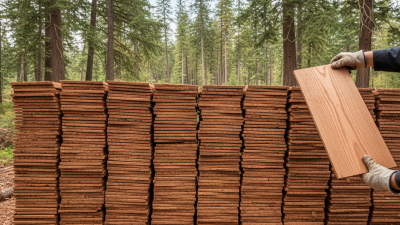
Cedar shingles offer an attractive and sustainable roofing option for homeowners. Not only do they enhance the aesthetic of a house, but they also possess significant environmental benefits. Cedar trees grow quickly in temperate climates, allowing for a renewable resource. Their natural oils make them resistant to decay and insects, minimizing the need for harmful chemical treatments.
Using cedar shingles can reduce your carbon footprint. When harvested responsibly, cedar contributes to forest health and biodiversity. Many companies follow sustainable forestry practices, ensuring the trees are replanted. However, it’s vital to verify this commitment to sustainability. Look for certifications that guarantee responsible sourcing.
Tips: To maintain cedar shingles, regular inspections are essential. This prevents damage from moss or algae buildup. Consider applying a natural oil finish every few years for added protection. Educating yourself about the installation process can also aid in achieving longer-lasting results. Remember, not all shingles are created equal; select high-quality materials for the best performance.
Cost Analysis: Initial Investment vs. Long-term Savings with Cedar Shingles
Cedar shingles are gaining attention for roofing needs, especially when considering long-term savings. While the initial investment may seem high, data suggests that cedar roofs can last up to 30 years with proper maintenance. This durability greatly offsets the upfront cost.
According to the National Association of Home Builders, homeowners can expect to recoup about 75% of their roofing investment when using cedar shingles. This rate can outperform many other materials in terms of longevity and aesthetic appeal. Additionally, cedar naturally resists rot, mold, and insects, reducing the need for frequent repairs. This adds to savings over time.
However, maintaining cedar shingles does require effort and care. Periodic inspections and treatments can enhance their lifespan but are easily overlooked by busy homeowners. These small, consistent investments help ensure that your cedar roof remains in optimal condition, ultimately leading to significant long-term savings.
Cost Analysis of Cedar Shingle Roofing vs. Asphalt Shingles