2026 How to Choose the Best Pantile Tiles for Your Projects?
In the world of roofing, choosing the right materials is crucial for any project. Pantile Tiles stand out due to their unique design and durability. Renowned architect Jane Smith emphasizes, "The right tile can enhance a building’s character and longevity." This highlights the importance of selecting the best pantile tiles for your needs.
When considering pantile tiles, it’s essential to think about various factors. Texture and color play a significant role in the overall aesthetic. We often overlook the impact of local climate on tile performance. Different regions may require specific types of pantile tiles to withstand weather conditions.
Additionally, don't underestimate the importance of sourcing quality materials. Not all manufacturers uphold the same standards. It’s worth conducting thorough research and seeking expert advice. Remember, the tiles you choose can define your project's success. A well-informed decision will save you time and money in the long run.
Understanding Pantile Tiles: Types and Materials
Pantile tiles have a rich history and offer various types and materials to cater to diverse architectural needs. These tiles, commonly made of clay and concrete, undergo rigorous manufacturing processes. They come in different profiles, such as traditional and double-lap designs, influencing their aesthetic and functional properties. According to the National Tile Contractors Association, choosing the right tile is crucial for durability and performance.
When evaluating materials, clay pantiles offer a classic finish, providing excellent thermal efficiency. They are naturally durable but can be prone to cracking under stress. In contrast, concrete pantiles provide robust alternatives. They are heavier and might require additional structural support, yet they excel in longevity and weather resistance. Industry studies show that properly installed concrete tiles can last over 50 years, outperforming many other materials in lifecycle assessments.
Despite their benefits, challenges exist. Installation difficulties with pantile tiles can arise due to their shape and the specific skills required for alignment. Proper underlayment is critical for preventing leaks and ensuring performance. Research indicates that incorrect installation can lead to a 20% decrease in the expected lifespan of the tiles. Therefore, understanding the inherent properties and potential drawbacks is essential for successful project outcomes.
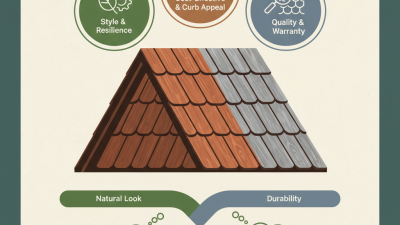
Comparison of Different Pantile Tile Materials
Evaluating the Aesthetic Appeal of Pantile Tiles
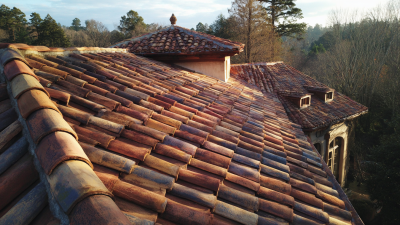
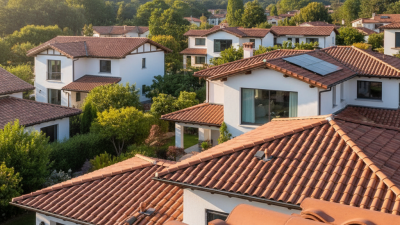
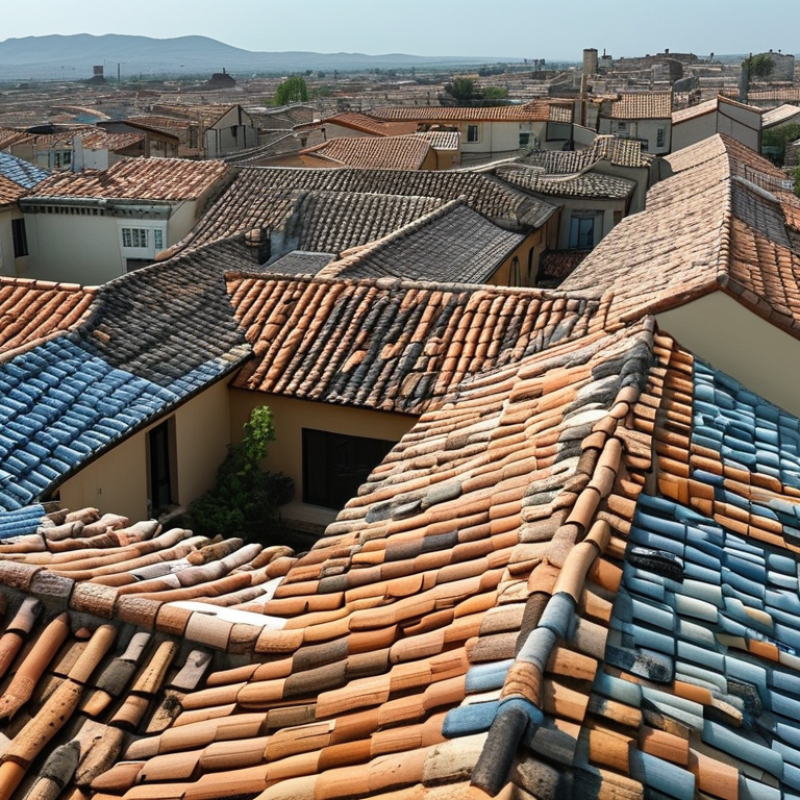
When evaluating the aesthetic appeal of pantile tiles, consider their shape, color, and texture. Pantile tiles often have a distinctive S-shape, creating a visually pleasing pattern on roofs. This shape not only adds to their charm but also provides excellent water drainage. Choosing a color that complements your building’s style is critical. Earthy tones, blues, and greys can enhance the overall appearance.
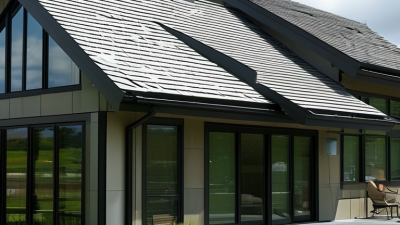
Texture plays a key role in the look of pantile tiles. A smooth finish can give a sleek modern feel. In contrast, an aged or textured tile can evoke a rustic, traditional vibe. Think about how these choices align with your design goals. Reflect on the existing elements around your project. They should harmonize, not clash.
Tips for achieving the best aesthetic result include mixing colors for a more dynamic look. Use lighter tiles on larger projects to avoid overwhelming the visual field. Additionally, consider the natural surroundings. A green landscape may benefit from tiles with earthy hues. This connection fosters a more integrated feel with nature. Keep in mind potential wear over time; some textures may show aging differently.
2026 How to Choose the Best Pantile Tiles for Your Projects? - Evaluating the Aesthetic Appeal of Pantile Tiles
| Tile Color |
Texture |
Material |
Finish |
Estimated Lifespan |
Aesthetic Rating (1-10) |
| Red |
Smooth |
Clay |
Matte |
50 years |
9 |
| Slate Grey |
Textured |
Concrete |
Glossy |
40 years |
8 |
| Green |
Rough |
Terracotta |
Satin |
60 years |
7 |
| Brown |
Smooth |
Clay |
Matte |
50 years |
9 |
| Black |
Textured |
Concrete |
Glossy |
40 years |
8 |
Assessing Durability and Weather Resistance in Pantile Tiles
When selecting pantile tiles, assessing durability and weather resistance is critical. According to the National Roofing Contractors Association, about 30% of roofing failures occur due to poor material choices. Pantile tiles should withstand harsh weather, including heavy rain, snow, and intense sunlight. Different materials, like clay and concrete, fulfill varied durability needs. Clay tiles often offer better longevity, while concrete tiles can be more affordable.
The lifespan of pantile tiles ranges significantly. A well-maintained clay tile roof can last over 100 years, while concrete tiles typically last around 50 years. However, factors like installation quality affect these durations. Local climate also plays a role. For instance, regions with high temperatures can cause heat stress, impacting tile integrity. Research shows that tiles with better UV resistance can reduce temperature-related wear.
It's also essential to consider seasonal fluctuations in your area. Snow accumulation can weigh heavily on roofs. Some pantile tiles are designed specifically to alleviate such stresses. However, not all options perform equally. An incorrect choice could lead to cracking or breaking under pressure. Investing in quality materials may seem costly upfront but can prevent more significant expenses later.
Cost Considerations When Selecting Pantile Tiles
Cost considerations play a critical role in selecting pantile tiles for your projects. It’s essential to evaluate both your budget and the quality of materials you choose. Pantile tiles vary significantly in price, influenced by material, design, and manufacturer. Natural clay tiles often present a higher initial cost but may offer durability and a longer lifespan.
When reviewing options, consider installation expenses as well. Some tiles require specialized labor, which can elevate costs. Additionally, think about maintenance over time. Tiles that need frequent upkeep can lead to higher overall expenses. If you’re working on a limited budget, balancing quality and cost becomes paramount. Researching local pricing can also reveal hidden costs or potential savings. Making informed decisions now can lead to better financial outcomes later.
Installation and Maintenance Requirements for Pantile Tiles
When considering pantile tiles, proper installation is crucial. These tiles often require skilled labor for effective laying. According to industry data, improper installation can lead to leaks and structural issues. Many professionals recommend hiring experienced roofers. They can ensure that the tiles are securely placed and aligned.
Maintenance of pantile tiles is another important aspect. Regular inspections can prevent significant problems. A report by the Roofing Industry Association suggests that maintenance should occur at least twice a year. This includes checking for cracks, moss growth, and loose tiles. Ignoring these aspects can shorten the lifespan of your roof.
Cleaning is also vital. High-pressure cleaning can damage tiles. Instead, use a gentler approach. This helps maintain the tiles' integrity. Many homeowners overlook this, leading to costly repairs down the line. Remember, a well-maintained roof protects your investment. Regular care ensures that pantile tiles continue to serve their purpose effectively.