Top Benefits of Choosing Pantile Tiles for Your Projects?
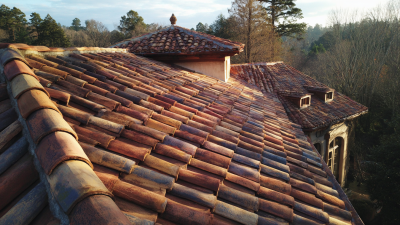
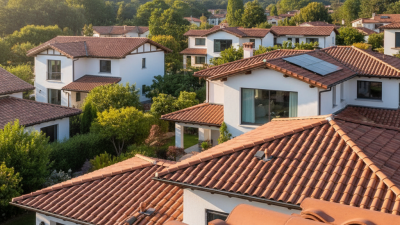
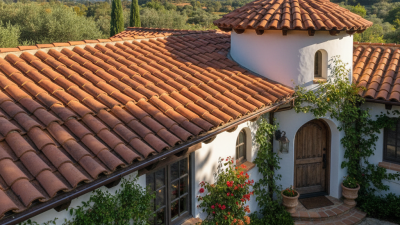
Pantile tiles have become increasingly popular in the construction and renovation industries. Their unique shape and design provide not only aesthetic appeal but also practical benefits. According to a report from the National Roofing Contractors Association, the demand for tile roofing, including Pantile tiles, has seen a 25% growth over the last five years. This increase reflects a shift towards sustainable building materials that offer durability and low maintenance.
One of the standout features of Pantile tiles is their ability to withstand harsh weather conditions. Research indicates that roofs constructed with high-quality tile can last over 50 years, significantly reducing the need for repairs. This longevity can lead to substantial cost savings over time. However, understanding the installation requirements is crucial. Inadequate installation can negate these benefits, highlighting the importance of professional expertise.
Pantile tiles also contribute to energy efficiency. Their reflective properties can reduce heat absorption, working in harmony with cooling systems. This can lower energy bills by up to 20%, depending on the climate. Still, it’s essential to choose the right color and type to maximize these advantages. Engaging with knowledgeable suppliers can ensure optimal choices are made. The combination of style, durability, and sustainability makes Pantile tiles an increasingly favored option in modern projects.
Benefits of Pantile Tiles: An Overview of Durability and Longevity
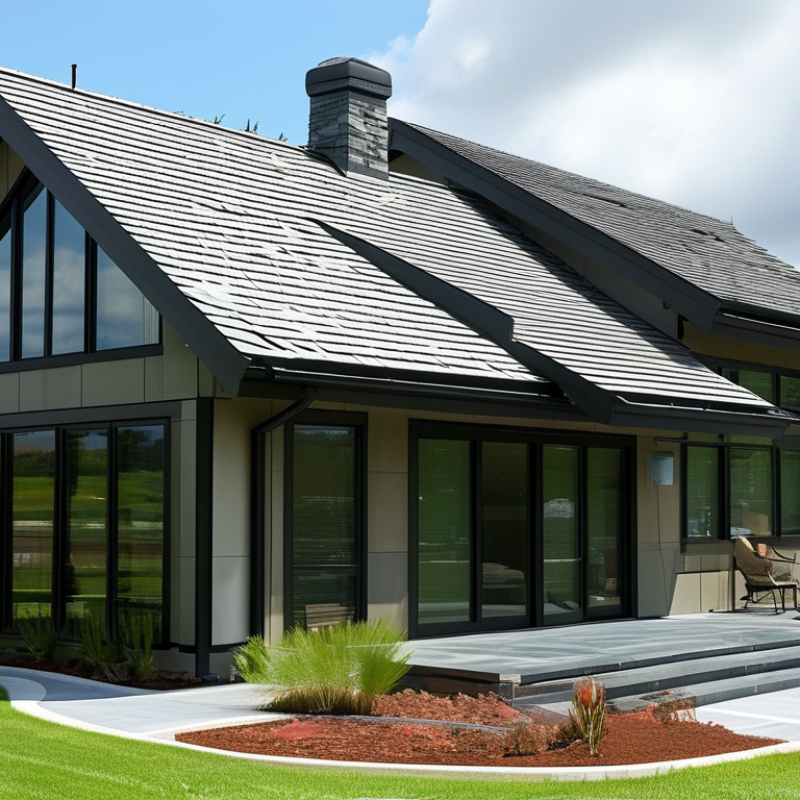
Pantile tiles offer substantial durability and longevity, making them a wise choice for various construction projects. According to industry reports, ceramic tiles can last up to 100 years when properly installed and maintained. This longevity helps reduce material replacement costs over time, allowing for better budgeting in building projects. The resilience of pantile tiles also stands out in harsh weather conditions, withstanding high winds and heavy rain without significant wear.
Maintenance of pantile tiles is relatively easy, which adds to their appeal. They resist moss and algae growth, resulting in less time spent on upkeep. A study by building experts indicates that homeowners can save around 30% on maintenance costs compared to traditional roofing options. This reliability allows homeowners to focus on other aspects of their property while enjoying the benefits of a lasting tile solution.
However, it’s worth noting that the initial installation cost for pantile tiles can be higher than other materials. This can lead to hesitation in choosing them for immediate projects. Balancing initial investment against long-term savings requires careful thought. In the end, weighing these options can contribute to a more sustainable building approach, ultimately benefiting both the homeowner and the environment.
Energy Efficiency of Pantile Tiles Compared to Other Roofing Materials
Pantile tiles are an attractive option for many building projects. Their energy efficiency is one of the main advantages. These tiles can help control indoor temperatures effectively. Their shape and material provide excellent insulation. Homeowners often notice a decrease in energy costs after installation. This reduction in energy use can lead to long-term savings.
Compared to other roofing materials, pantile tiles excel in thermal performance. They absorb and release heat slowly, maintaining a stable indoor environment. Even in extreme climates, they perform well. This quality is particularly beneficial for regions with fluctuating temperatures. However, the installation process may require skilled labor for optimal results. This aspect can sometimes be a drawback if not managed properly.
Moreover, durability plays a vital role in energy efficiency. Pantile tiles can last many years without significant degradation. Regular maintenance can enhance their lifespan further. Some may find it challenging to carry out this upkeep. However, the long-term energy savings often outweigh these concerns. Ultimately, the choice of pantile tiles contributes positively to energy conservation.
Aesthetic Appeal: How Pantile Tiles Enhance Property Value
Pantile tiles bring a unique charm to properties. Their curved shape creates a distinctive aesthetic that stands out. This style has been popular for centuries. According to the National Association of Home Builders, homes with appealing exteriors can see a value increase of up to 15%. Pantile tiles contribute significantly to this appeal.
The color options and textures available with pantile tiles further enhance property beauty. They can mimic natural materials like slate or wood, adding authenticity. A study by the Tile Association notes that roofs designed with eye-catching tiles can improve resale value. Potential buyers often seek properties that boast attractive, durable roofing.
However, it's essential to consider local climate and building regulations when choosing pantile tiles. Not all designs may be suitable in different environments. Some homeowners find maintenance challenging, which could affect long-term satisfaction. Balancing aesthetics with practical considerations is crucial for maximizing property value.
Cost-Effectiveness of Pantile Tiles in Long-Term Construction Projects
Pantile tiles are an excellent choice for long-term construction projects. They offer a unique blend of durability and style that can withstand various weather conditions. Cost-effectiveness is a critical factor in any construction decision. Pantile tiles not only provide an appealing aesthetic but also minimize maintenance costs over time.
One significant advantage of pantile tiles is their longevity. They can last for decades when properly installed. This longevity translates to fewer replacements. Fewer replacements lead to lower overall costs. Investing in quality materials upfront saves money in the long run.
When integrating pantile tiles into your projects, consider a few tips. Focus on proper installation to maximize their lifespan. Ensure you have the appropriate underlayment to enhance thermal resistance. Regular inspections can prevent minor issues from escalating. Even though they are durable, a proactive approach helps maintain their integrity.
Pay attention to the weight of pantile tiles as well. Ensure your structure can support them adequately. While they are typically lightweight, heavy-duty applications may require extra support. Reflecting on these factors can lead to better, more cost-effective results over time.
Top Benefits of Choosing Pantile Tiles - Cost-Effectiveness in Long-Term Construction Projects
This bar chart illustrates the cost-effectiveness of Pantile tiles compared to other roofing options over the long term. The initial cost is relatively low, and when factoring in maintenance and longevity, Pantile tiles offer a robust return on investment.
Environmental Impact: Sustainability Aspects of Using Pantile Tiles
Pantile tiles are increasingly recognized for their sustainability. These tiles are typically made from natural materials, which reduces the environmental footprint. The clay used in pantile production is abundant and can be sourced locally, minimizing transportation emissions. Furthermore, their long lifespan means less frequent replacements, which leads to fewer materials ending up in landfills.
Using pantile tiles also supports energy efficiency. Their unique shape allows for better airflow and insulation, reducing heating and cooling needs. This not only lowers energy bills but also decreases reliance on fossil fuels. However, some may argue that the production process can still involve energy-intensive steps, which raises questions about overall sustainability.
While pantile tiles offer many benefits, it’s essential to consider where and how they are sourced. Sustainable practices must include ethical labor conditions and responsible mining operations. A critical look at these aspects ensures that choosing pantile tiles contributes positively to the environment. Balancing aesthetics, durability, and ecological impact is key to making informed choices in construction projects.