Transform Your Theme Park with Innovative Roof Tiles: A Guide to Sustainable Design Choices
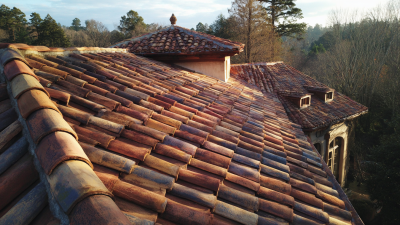
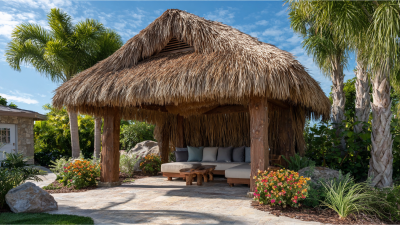
The design of a theme park is an intricate blend of creativity, functionality, and sustainability, where each element contributes to an unforgettable visitor experience. One often-overlooked aspect of this design is the selection of Theme Park Roof Tiles, which can play a pivotal role in enhancing the aesthetic appeal of the park while promoting eco-friendly practices. These innovative roofing solutions not only offer unique artistic expressions but also serve as critical components in energy efficiency, weather protection, and environmental impact reduction. In this guide, we will explore various sustainable design choices for theme park roof tiles, discussing materials, styles, and installation techniques that can transform your theme park into a vibrant, eco-conscious destination. Whether you are looking to revamp an existing attraction or design a new one from the ground up, integrating sustainable roofing solutions can provide both aesthetic appeal and long-term benefits, contributing positively to the overall vision of your theme park.
Explore the Benefits of Sustainable Roof Tiles for Theme Parks
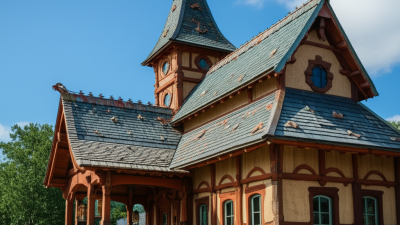
As theme parks increasingly recognize the importance of sustainability, the choice of roof tiles becomes a critical consideration. Sustainable roof tiles not only enhance the aesthetic appeal but also contribute significantly to energy efficiency and overall environmental impact. According to a report by the National Renewable Energy Laboratory, the use of cool roof technologies can reduce roof temperatures by up to 30%, leading to up to a 15% decrease in energy costs, an essential factor for large-scale operations like theme parks.
In addition to energy savings, sustainable roof tiles often incorporate recycled materials, which can substantially lower the carbon footprint of a theme park. Research suggests that structures utilizing eco-friendly materials reported a 20-30% reduction in greenhouse gas emissions compared to conventional building materials. This shift not only aligns with growing consumer preferences for environmentally responsible practices but also enhances the park's reputation as a forward-thinking establishment.
Tips for implementing sustainable roof solutions include selecting tiles with high reflective properties to maximize energy efficiency and opting for locally sourced materials to minimize transportation emissions. Furthermore, consider integrating green roofing options that promote biodiversity and natural water management systems. These choices not only contribute to a park's sustainability goals but also create an immersive environment that visitors will appreciate.
Selecting Eco-Friendly Materials for Roof Design in Theme Parks
In the pursuit of sustainable design choices for theme parks, selecting eco-friendly materials for roof design is paramount. The latest data from the Global Sustainable Building Council indicates that incorporating green roofing solutions can reduce urban heat by up to 75%, significantly lowering energy consumption in theme parks. This is particularly relevant as more parks look to align with global sustainability goals outlined at forums like Expo 2025 Osaka, which emphasizes innovative energy solutions and sustainable practices in infrastructure.
Emerging building materials such as carbon-negative hempcrete and low-carbon concrete are gaining traction, offering not only durability but also environmental benefits. These materials can reduce the carbon footprint of roof structures, aligning with the broader theme of green architecture. Furthermore, environmentally conscious travelers are increasingly prioritizing eco-friendly facilities, with surveys indicating that nearly 70% of guests prefer accommodations that utilize sustainable materials and practices. By integrating innovative eco-friendly roof tiles, theme parks can not only enhance their aesthetic appeal but also contribute positively to environmental conservation efforts, ultimately attracting a more eco-aware visitor demographic.
Innovative Roof Tile Technologies to Enhance Visitor Experience
Innovative roof tile technologies are key to enhancing the visitor experience in theme parks, providing both aesthetic appeal and practical benefits. Modern materials such as solar tiles can harness sunlight, powering attractions and amenities while reducing the park's carbon footprint. This sustainable approach not only promotes environmental stewardship but also creates an immersive experience for guests who value eco-friendly practices.
Additionally, roofs equipped with specialized tiles can improve acoustics and temperature regulation within park areas. For example, sound-absorbing tiles can minimize noise pollution, ensuring a more enjoyable environment while vibrant colors and designs can reflect the park's theme, creating a cohesive visual identity. Such design choices not only elevate the overall guest experience but also encourage longer visits, as families feel more comfortable in well-designed spaces that cater to their needs. Embracing innovative roof tile technologies is a strategic move towards creating memorable and sustainable theme park experiences.
A Step-by-Step Guide to Installing Sustainable Roof Tiles
When considering the installation of sustainable roof tiles in your theme park, it’s essential to start with a meticulous planning phase. First, assess your existing structures and their compatibility with sustainable materials. Research various roof tile options, including those made from recycled materials, clay, or metal, ensuring they meet environmental standards. Create a detailed outline of your project, specifying the types of tiles, colors, and patterns that align with your park’s theme and aesthetic.
Once you have selected your sustainable tiles, prepare your site for installation. Ensure that the roofs are clean and any necessary repairs are made. It’s crucial to follow the manufacturer’s guidelines for installation, which typically involve laying down a waterproof underlayment, securing the tiles with appropriate fasteners, and following a systematic pattern to ensure durability. Engaging professional installers who specialize in sustainable materials can further guarantee that the roof not only enhances the park’s visual appeal but also contributes positively to your sustainability goals.
Transform Your Theme Park with Innovative Roof Tiles
This bar chart illustrates the environmental impact of different types of roof tiles commonly used in theme parks. It compares the recycled content and energy efficiency of ceramic, metal, and asphalt roof tiles.
Case Studies: Successful Theme Parks Utilizing Green Roofing Solutions
Many theme parks are increasingly adopting green roofing solutions to enhance their sustainability efforts while providing unique attractions for visitors. For instance, Disneyland Paris has implemented a green roof atop its covered walkways, which not only insulates the buildings but also creates a lush environment that mimics the park’s natural surroundings. This innovative design choice helps manage rainwater run-off and reduces the urban heat island effect, showcasing how a theme park can blend entertainment with eco-friendly practices.
Similarly, the San Diego Zoo has embraced sustainable roofing as part of its commitment to conservation. The zoo’s new exhibit features living roofs that support native plant species and provide habitats for local wildlife. Not only do these roofs help regulate temperature and improve energy efficiency, but they also serve as educational tools for guests, illustrating the importance of biodiversity and sustainable practices in our urban landscapes. These case studies highlight the potential of green roofing solutions to transform theme parks, making them more environmentally responsible while enhancing the overall guest experience.