2026 Top Synthetic Thatch Roofing Options for Global Buyers?
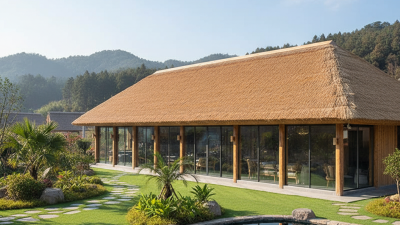
As the demand for sustainable building materials grows, Synthetic Thatch Roofing has emerged as a popular choice. It offers an appealing aesthetic while providing long-lasting durability. More buyers are turning to synthetic options to capture the charm of traditional thatch without the associated maintenance issues.
The advantages of Synthetic Thatch Roofing are significant. These materials often resist weather elements, insects, and fire better than natural thatch. Additionally, they can be more cost-effective over time. However, not all synthetic products are created equal. It is crucial for buyers to research various options thoroughly before making a decision.
In this landscape of diverse roofing materials, the challenge remains. How do buyers ensure they are choosing the best Synthetic Thatch Roofing available? Knowledge and understanding are key. Engaging with experts and examining product qualities can guide informed choices. Remember, every option may have hidden drawbacks. It’s essential to approach your decision with critical thinking.
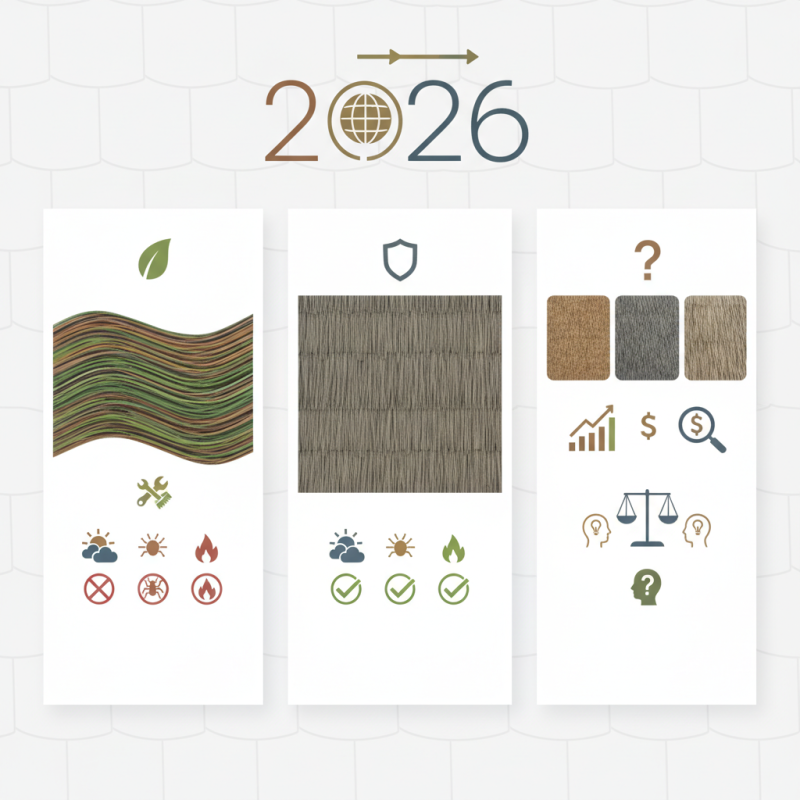
Overview of Synthetic Thatch Roofing Materials and Their Benefits
Synthetic thatch roofing has gained popularity for its durability and aesthetic appeal. These materials offer the look of traditional thatch while eliminating many of the maintenance issues. A report from the National Association of Roofing Contractors indicates that synthetic options can last up to 50 years, compared to the 20-30 years typical of natural materials.
Choosing the right synthetic material can greatly affect performance and cost. Many buyers appreciate that synthetic thatch is resistant to insects, fire, and moisture. This durability can lead to a lower overall cost of ownership. In terms of environmental impact, many synthetic products are made from recycled materials, contributing to sustainability efforts.
Tip: Evaluate local climate conditions when selecting synthetic thatch. Some materials perform better in specific environments.
However, not all synthetic thatch is created equally. It’s crucial to research different options thoroughly. Some products may not hold up as well against UV exposure compared to others. Being aware of these differences aids in making an informed decision.
Tip: Seek expert advice before making a purchase. Consulting with experienced professionals can save time and money.
Popular Types of Synthetic Thatch Roofing for Residential Use
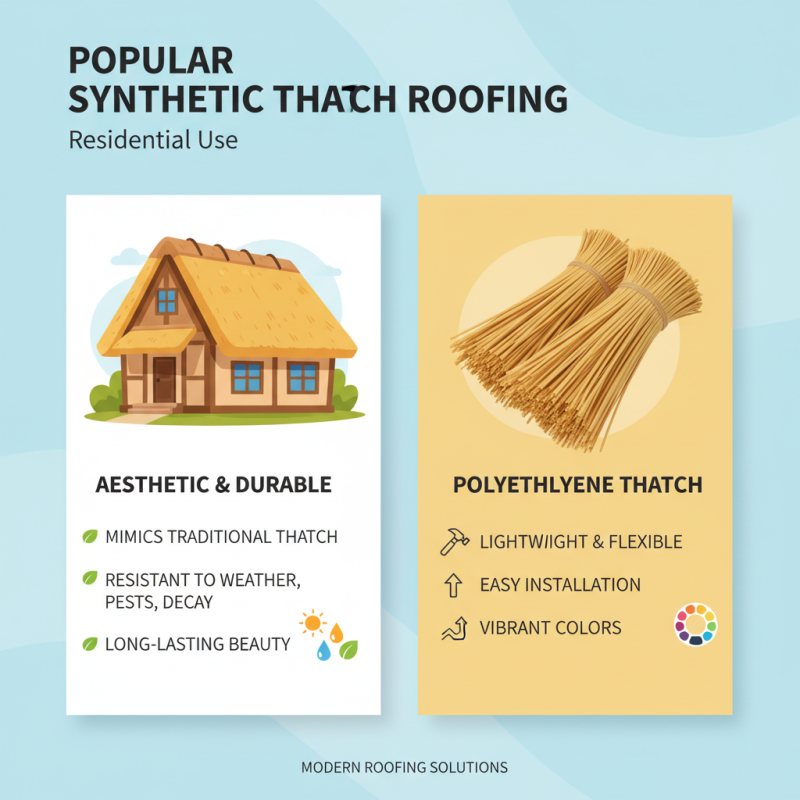
Synthetic thatch roofing is gaining popularity among homeowners due to its aesthetic appeal and durability. This roofing option mimics the look of traditional thatch but offers better resistance to weather, pests, and decay. One popular type is polyethylene thatch. It is lightweight and flexible, making installation straightforward. Many find its vibrant colors appealing for residential settings.
Another common option is rubber thatch, known for its robustness. It can withstand harsh weather conditions, making it ideal for various climates. Some homeowners appreciate its environmentally friendly aspect, as it often incorporates recycled materials. Despite its benefits, users occasionally question its lasting power compared to natural thatch.
Lastly, there is composite thatch, which combines materials for enhanced performance. This type can provide a more authentic look with added longevity. However, some buyers express concerns about its upfront cost versus maintenance. Choosing the right synthetic thatch requires careful consideration of factors like local climate and personal style preferences.
Comparative Analysis of Synthetic Thatch Options by Climate Suitability
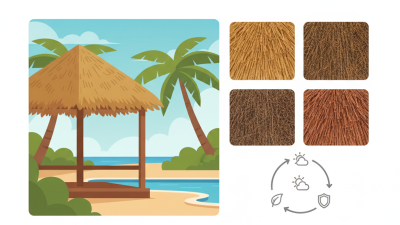
When considering synthetic thatch roofing, climate plays a critical role in performance. Different materials can withstand various weather conditions. For instance, regions with heavy rainfall may require more durable options that resist moisture. In contrast, sun-drenched areas might benefit from materials that offer UV resistance. Buyers must assess the common weather patterns in their locations.
Humidity can challenge synthetic thatch roofing. Some materials may hold up well in dry climates but struggle in humid conditions. Homeowners should conduct thorough research to understand how specific materials react. Choosing the wrong option can lead to issues like mold growth and premature wear.
Insulation properties are also significant. Certain synthetic products can provide better energy efficiency, keeping homes cooler in heat. In colder climates, materials with better thermal resistance can aid in heating costs. It’s crucial to align roofing choices with local climate needs to maximize longevity and performance. This analysis often reveals gaps in knowledge that can be refined as more data becomes available.
2026 Top Synthetic Thatch Roofing Options: Climate Suitability
Cost Considerations and Longevity of Synthetic Thatch Roofing
When considering synthetic thatch roofing, cost and longevity are vital aspects. Synthetic thatch tends to have a higher initial investment compared to traditional materials. However, it offers a longer lifespan, often exceeding 25 years. This durability can mean fewer replacements and repairs, ultimately leading to cost savings. Homeowners should evaluate local weather conditions, as this can affect the lifespan of roofing materials.
Tips: Always get a detailed quote. This helps in understanding the total investment required. Research installation options too. A proper installation can enhance the longevity of the roofing.
Another significant factor is maintenance. While synthetic thatch generally requires less care than natural materials, some upkeep is essential. Regular inspections can prevent minor issues from becoming major problems. This is particularly important in areas with extreme weather.
Tips: Schedule yearly inspections. Addressing small repairs early can save significant costs later. Be mindful of accumulated debris that can cause issues.
2026 Top Synthetic Thatch Roofing Options for Global Buyers
| Material Type |
Cost per Square Foot |
Longevity (Years) |
Maintenance Requirements |
Color Options |
| Polypropylene Thatch |
$4 - $7 |
25 - 30 |
Low |
Multiple shades |
| PVC Thatch |
$5 - $9 |
20 - 25 |
Moderate |
Neutral tones |
| TPO Thatch |
$6 - $10 |
30 - 35 |
Low |
Custom colors available |
| Synthetic Straw |
$3 - $8 |
20 - 25 |
Low |
Natural shades |
| Recycled Thatch |
$4 - $6 |
15 - 20 |
Moderate |
Earth tones |
Installation and Maintenance Guidelines for Synthetic Thatch Roofing
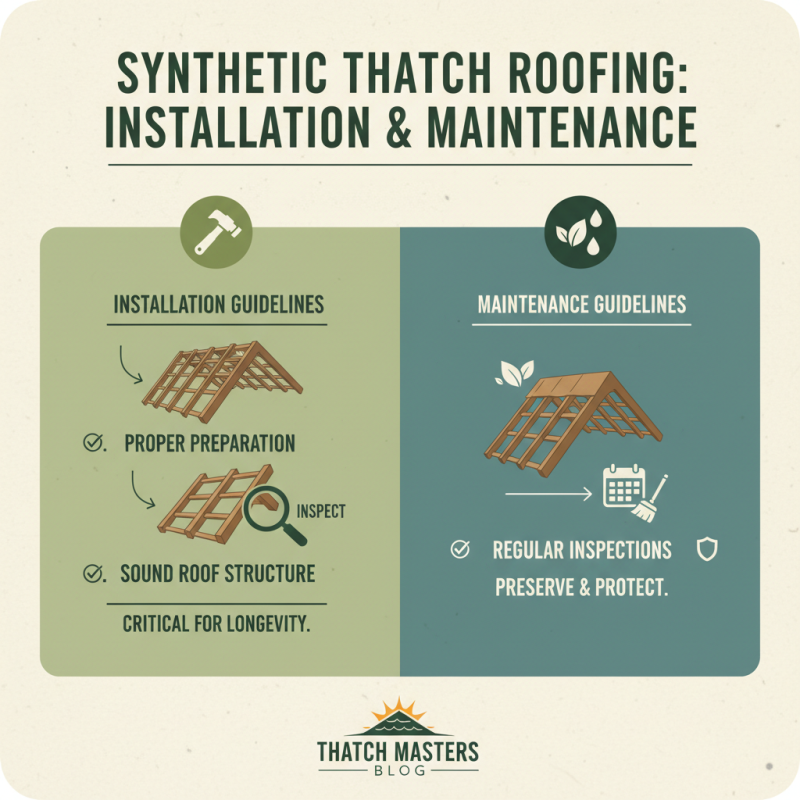
Installing synthetic thatch roofing can be a rewarding experience. It's essential to begin with proper preparation. Ensure that your roof structure is sound. Inspect beams and rafters for any weaknesses. This step is critical for longevity.
During installation, use appropriate tools. A sturdy ladder and safety gear are a must. Start from the bottom edge and work upwards, overlapping the materials. This method prevents water intrusion. Pay attention to detail. Misalignment can lead to leaks. It’s crucial to secure fasteners tightly, but not overly so. Too much pressure can damage the synthetic material.
Maintenance is equally important for synthetic thatch roofing. Regular checks for debris build-up will prolong its life. Clean the roof with a soft brush and mild soap. Avoid harsh chemicals that can break down materials. Watch for signs of wear or fading, which may indicate the need for replacement sections. Keeping a close eye on the roof ensures it remains both functional and aesthetically pleasing. Reflecting on common pitfalls, remember that improper installation might require costly repairs later. Taking your time can save frustration down the road.