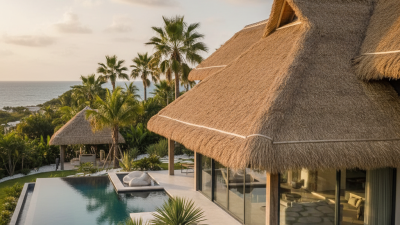
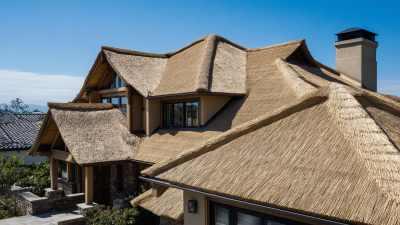
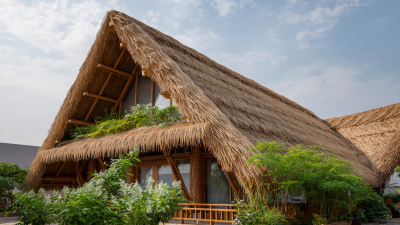
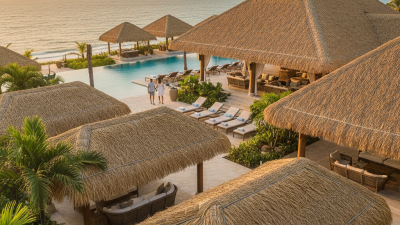
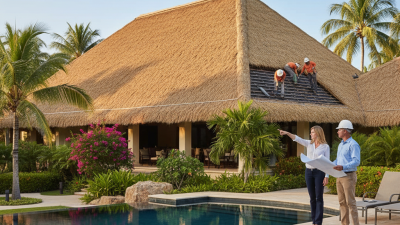
Plastic Artificial Thatch has gained popularity in recent years. Many homeowners now consider it for roofing options. Its unique look mimics traditional thatch, giving homes character.
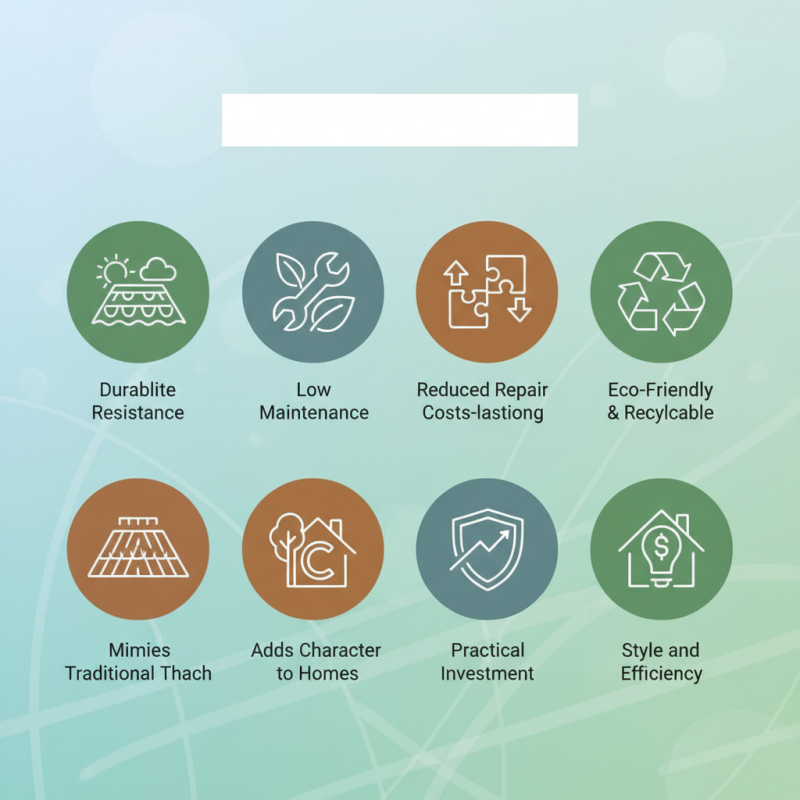
Beyond aesthetics, Plastic Artificial Thatch is durable and low maintenance. Homeowners appreciate the ease of installation as well. This material withstands harsh weather, reducing repair costs over time.
Additionally, it is eco-friendly and often recyclable. While some may question its authenticity, it serves practical purposes effectively. The longevity of Plastic Artificial Thatch makes it a smart investment for those seeking style and efficiency in roofing.
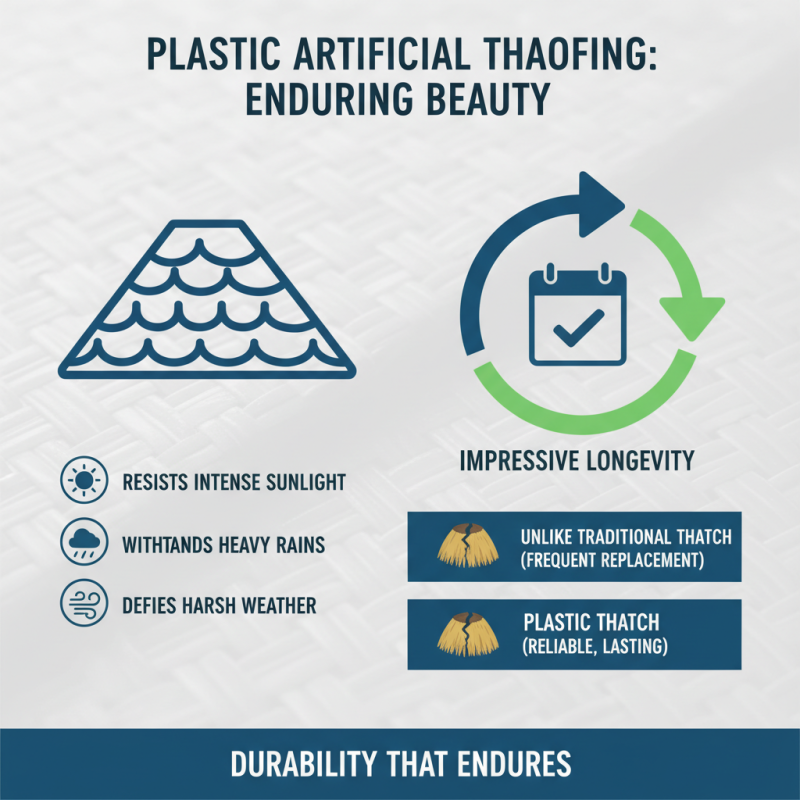
Plastic artificial thatch roofing offers impressive durability and longevity. Unlike traditional thatch, which may need frequent replacement, plastic materials defy the elements. They resist harsh weather conditions, from intense sunlight to heavy rains, making them a reliable choice.
One could argue that the initial investment may seem high. However, considering the long lifespan, the overall cost-effectiveness becomes clear. Homeowners may appreciate how plastic thatch can withstand years without significant wear. It's designed to mimic the natural aesthetic of thatch, enhancing curb appeal while providing functionality.
Maintenance is notably easier compared to natural thatch. A simple wash with soap and water keeps it looking fresh. This reduction in upkeep time is attractive, allowing homeowners to invest their energy elsewhere. While some may miss the authentic touch of natural materials, the practicality of plastic roofing is hard to overlook. The functionality and aesthetics can coexist, creating a unique roofing solution.
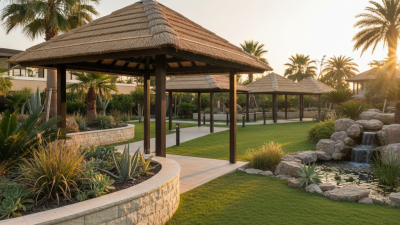
Cost-Effectiveness: Financial Advantages of Choosing Plastic Thatch
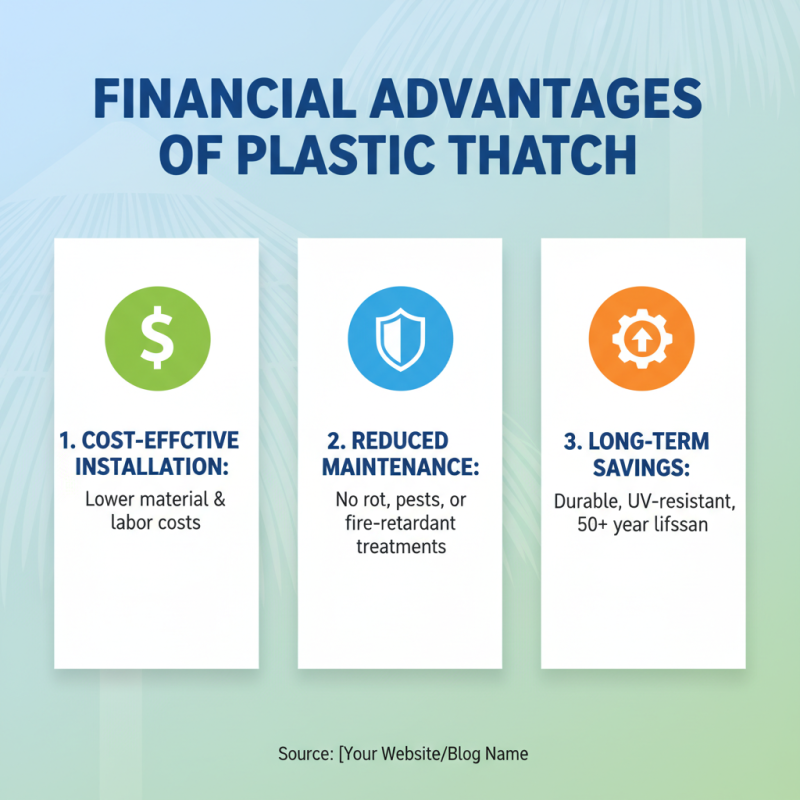
Choosing plastic artificial thatch for your roofing can be a smart financial decision. One of the main benefits is its low maintenance cost. Unlike traditional thatch, plastic does not rot or require regular replacement. This saves you money over time. You won't need to hire professionals frequently for repairs. That alone can make a significant difference in your budget.
Another financial advantage is the initial investment. Plastic thatch often costs less upfront than organic materials. This makes it an attractive option for homeowners and builders. With rising material costs, this can be a good way to stretch your budget. Installation can also be quicker, reducing labor costs.
Tip: When considering plastic thatch, always compare prices from several suppliers. You may find substantial savings.
Another tip is to think about long-term savings. While the initial cost is lower, the longevity of plastic means fewer replacements. This could lead to cost savings over the years. Sometimes, choosing the cheaper option upfront may not be wise. Think critically about the lifespan of your materials.
Overall, plastic artificial thatch is not only cost-effective but also offers durability. It can withstand harsh weather conditions. A reflective surface may even help with energy efficiency, offering additional savings on heating and cooling.
Plastic artificial thatch presents a sustainable alternative for roofing. This material mimics natural thatch while offering durability. It resists pests and withstands harsh weather conditions, often outlasting traditional materials. This longevity means reduced waste, as fewer replacements are needed over time. This can ease the burden on landfills.
Environmental considerations are essential in today’s construction industry. While plastic has a bad reputation, artificial thatch can help mitigate some of these issues. By using recycled materials in its production, the environmental impact is lessened. It also reduces the need for deforestation, as no natural resources are depleted. However, we must reflect on the lifecycle of plastic. Even though it lasts long, it can still contribute to pollution if not properly managed.
Choosing plastic artificial thatch raises important questions. How can we balance durability with sustainability? What happens to these materials at the end of their lifecycle? Awareness and responsible usage are key. Engaging in recycling can help improve the overall impact on our environment. As we move forward, thoughtful design and consumption will be crucial in shaping a sustainable future.
| Benefit | Description | Environmental Impact |
|---|---|---|
| Durability | Plastic thatch resists rot, decay, and insect damage, ensuring long-lasting performance. | Decreases waste from natural materials. |
| Sustainability | Recyclable materials reduce the demand for new resources. | Minimizes environmental footprint in production. |
| Fire Resistance | Treatments enhance fire resistance compared to natural thatch. | Increases safety in fire-prone areas. |
| Low Maintenance | Requires minimal upkeep, saving time and costs over time. | Reduces the need for chemical pesticides. |
| Weather Resistance | Can withstand harsh weather conditions without damage. | Contributes to resource efficiency by not needing repairs. |
| Aesthetic Appeal | Offers various styles and colors to match property designs. | Encourages aesthetic choices without harming ecosystems. |
| Cost-Effective | Lower initial investment and reduced long-term costs. | Promotes economical building practices. |
| UV Resistance | Does not degrade under sun exposure, keeping it visually appealing. | N/A |
| Lightweight | Easier to install compared to traditional thatch materials. | Reduces transportation emissions due to lower weight. |
| Versatility | Suitable for various applications, from residential to commercial. | Supports different building styles sustainably. |
Plastic artificial thatch offers a unique aesthetic appeal to properties. The natural look of thatch can transform an ordinary structure into an extraordinary one. It mimics traditional thatching materials, but without the maintenance issues. The varying colors and textures create an eye-catching facade. Homeowners can choose styles that suit their personal taste perfectly.
Installing plastic thatch can also enhance curb appeal. Properties with unique features often attract more attention. With vibrant shades, roofs can emphasize architectural details. This adds character to homes, making them stand out in any neighborhood. However, some may argue that the artificial look lacks authenticity. Yet, for many, the practicality outweighs this concern.
In addition to aesthetics, plastic thatch is durable. Compared to natural materials, it resists weathering and fading. This longevity ensures that the visual impact remains intact for years. While some materials degrade over time, plastic roofs retain their charm. Reflecting on this, we see the importance of practicality in achieving visual appeal. The balance is crucial in design choices.
Plastic artificial thatch is becoming a preferred choice for roofing. One significant advantage is its low maintenance. Unlike traditional thatch, which requires regular upkeep, plastic thatch is designed to withstand various weather conditions. Rain or sun, it looks good all year round.
Cleaning plastic thatch is simple. A quick rinse with a hose removes dirt and debris. No need for heavy cleaning agents. This feature saves time and effort. Traditional thatch needs replacing after a few years. Plastic, however, can last for decades. This durability means less frequent replacements, making it a more practical choice.
Some may wonder about the aesthetic value. While plastic does mimic natural thatch well, it can appear less organic. This perception can affect the visual appeal in certain contexts. Choosing a color or style that blends with the environment is crucial. Though easy to maintain, a poor choice might lead to regret later. Balancing aesthetics and practicality is essential for any roofing project.
This chart displays the ten benefits of using plastic artificial thatch for roofing, rated on a scale of 1 to 10. The high ratings reflect its low maintenance and aesthetic appeal, while still highlighting other significant advantages such as durability and weather resistance.