Top 10 Advantages of Rubber And Plastic Roof Tile for Your Home?
When considering roofing options, the choice of material significantly impacts your home. Rubber And Plastic Roof Tile emerge as a versatile solution. They offer a unique blend of durability and aesthetics that appeals to many homeowners.
These tiles are lightweight and easy to install. This can reduce labor costs and installation time. Homeowners often appreciate their ability to mimic traditional roofing materials. The variety of colors and styles allows for creative expression. However, not every application suits these materials, and careful planning is essential.
One must consider environmental factors and local building codes. There are certain limitations and possible challenges in extreme weather. Deciding on Rubber And Plastic Roof Tile requires thoughtful reflection. Weighing pros and cons is vital to ensure you make the right choice for your home.
Benefits of Durability in Rubber and Plastic Roof Tiles
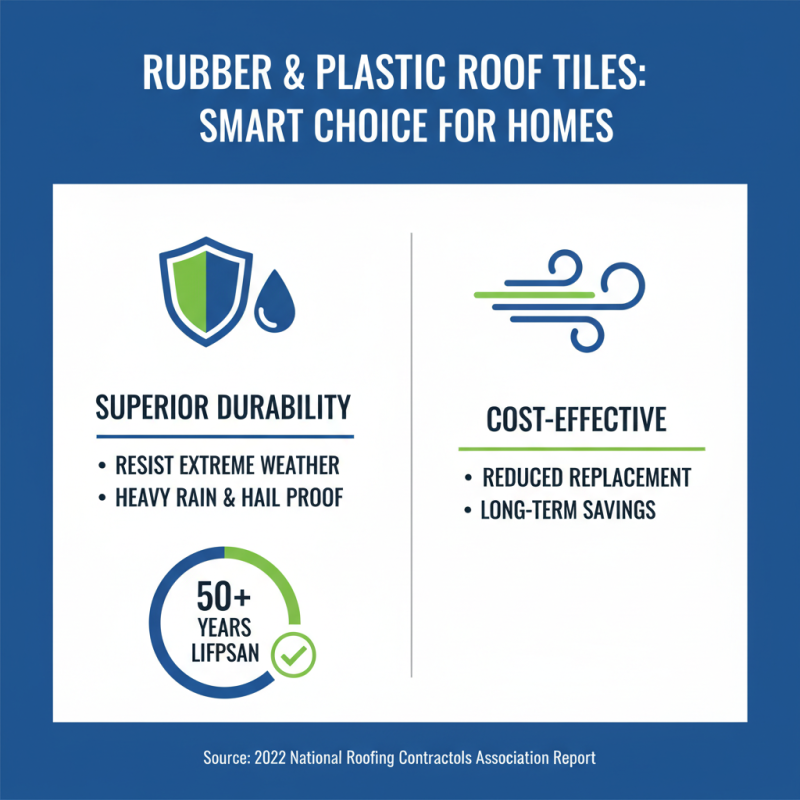
Rubber and plastic roof tiles provide notable durability, making them a wise choice for homeowners. According to a 2022 report by the National Roofing Contractors Association, these materials can withstand extreme weather, including heavy rain and hail. Some rubber tiles are designed to last over 50 years, significantly reducing replacement costs.
Additionally, rubber tiles are resistant to UV rays. This can prevent fading and damage over time. A study showed that homes with rubber roofing had a 20% lower energy bill. This can be attributed to better insulation properties. Homeowners appreciate these benefits. The initial investment can seem high, but the longevity and reduced maintenance make it worthwhile.
Still, installation can be more complex than traditional options. Proper installation is crucial to maximize lifespan. This is an area where some homeowners may feel uncertain. Understanding the materials helps make an informed choice. In the end, the durability of rubber and plastic roof tiles often outweighs these concerns.
Energy Efficiency Features of Rubber and Plastic Roof Tiles
Rubber and plastic roof tiles stand out for their energy efficiency. These materials reflect heat, keeping homes cooler during hot summer months. By reducing the need for air conditioning, they contribute to lower energy bills. Many homeowners appreciate this cost-saving feature. It is essential to consider how roof color impacts energy efficiency. Darker colors can absorb more heat, while lighter shades reflect it better.
Another advantage is their insulation properties. Rubber and plastic tiles can help maintain consistent indoor temperatures. This means less energy is required for heating during colder months. However, some may find these materials less aesthetically pleasing compared to traditional options. It's crucial to weigh the look against the functional benefits. Homeowners may want to experiment with different designs to find a balance.
Overall, choosing rubber and plastic roof tiles can be a smart decision for energy conservation. Yet, it's important to consider local climate and architectural style. While the energy savings are evident, matching the roof with the home's essence is equally vital. Not every style suits every home, so personal taste should not be overlooked.
Top 10 Advantages of Rubber And Plastic Roof Tile for Your Home
| Advantage |
Description |
Energy Efficiency Feature |
| Durability |
Resistant to harsh weather conditions and impact. |
Reduces the need for frequent repairs or replacements. |
| Lightweight |
Easier and less costly to install compared to traditional materials. |
Lower transportation energy costs. |
| Eco-Friendly |
Made from recycled materials, reducing waste. |
Utilizes sustainable manufacturing processes. |
| Low Maintenance |
Requires minimal upkeep over its lifespan. |
Reduces long-term energy use for maintenance. |
| Variety of Styles |
Available in numerous colors and shapes that mimic traditional roofing. |
Aesthetic appeal can enhance property value, promoting energy efficiency. |
| Energy Savings |
Reflective properties can reduce cooling costs in hot climates. |
Helps in lowering energy bills. |
| Sound Insulation |
Offers excellent sound dampening characteristics. |
Improves indoor comfort without additional energy costs. |
| Fire Resistance |
Complies with fire safety standards for roofing materials. |
Offers safety without compromising energy efficiency. |
| Warranty |
Typically come with long-lasting warranties ensuring product reliability. |
Ensures long-term savings on energy and replacement. |
| Affordable |
Cost-effective option compared to many traditional roofing materials. |
Lower initial investment with the potential for energy savings. |
Cost-Effectiveness of Installing Rubber and Plastic Roof Tiles
Rubber and plastic roof tiles offer homeowners a cost-effective roofing solution. According to a recent industry report, these materials can reduce roofing costs by up to 30% compared to traditional options. Their lightweight nature also minimizes installation expenses, as less labor and equipment are required. Homeowners may install these tiles more quickly, decreasing overall project timelines.
Durability is another significant factor. Studies show that rubber and plastic tiles can last 50 years or more with proper maintenance. This longevity means fewer replacements and repairs, saving homeowners money in the long run. Furthermore, many rubber and plastic tiles are made from recycled materials, leading to lower environmental impact and potential tax benefits. However, it is essential to assess local climate conditions, as extreme weather can challenge longevity.
While the initial investment can be competitive, potential buyers should consider long-term performance. Not every product is equal. Investing in quality materials upfront may yield better returns later. It's crucial to research different options and consult with professionals to make informed decisions. The journey to choose the right roofing requires patience and careful consideration.
Aesthetic Options Available with Rubber and Plastic Roof Tiles
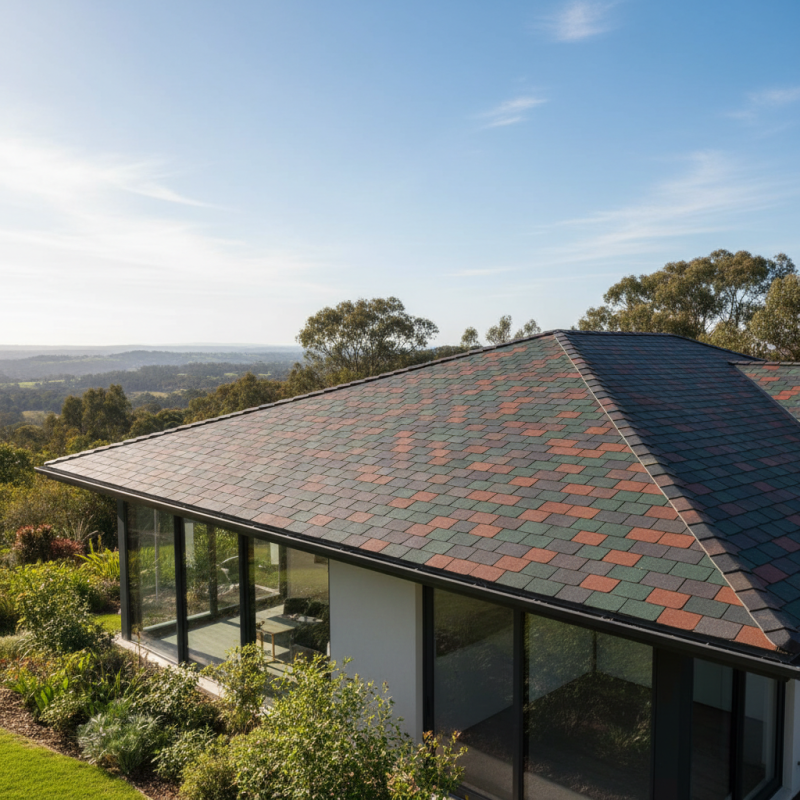
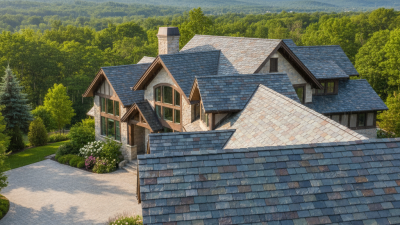
Rubber and plastic roof tiles offer a wide range of aesthetic options that can enhance the appearance of your home. These materials come in various colors, textures, and styles. You can find tiles that mimic traditional roofing materials like wood or slate, giving a classic look without high maintenance costs. In fact, according to the National Roofing Contractors Association, about 55% of homeowners prioritize curb appeal when selecting roofing materials.
The modern designs of rubber and plastic tiles allow for creative freedom. Homeowners can select vibrant colors to match their home’s exterior. A soft gray tile can provide a sleek look, while a bright red can add a bold contrast. Mixing colors can create a unique style that stands out in the neighborhood.
Tip: Consider your local climate when choosing colors. Darker colors absorb heat, while lighter options reflect sunlight.
One drawback is that some consumers may perceive these materials as less durable compared to traditional options. Indeed, a report from the Roofing Research and Development Association shows that while rubber and plastic tiles can last 30 years, some may show signs of wear sooner. It's essential to evaluate your long-term plans for your home.
Tip: Look for warranties that cover color fading and physical wear. This adds peace of mind for your investment.
Environmental Impact and Sustainability of Rubber and Plastic Roof Tiles
Rubber and plastic roof tiles offer significant advantages in terms of environmental impact and sustainability. These materials are often derived from recycled sources, reducing waste. By utilizing old tires and plastics, these tiles help mitigate landfill issues. This process not only conserves natural resources but also decreases pollution. Homeowners can contribute to a greener planet by choosing these eco-friendly options.
While rubber and plastic tiles are impressive, it is important to consider their lifespan. They can last up to 50 years with proper care. However, their performance can be affected by extreme weather conditions. Maintaining these tiles regularly is key to maximizing their durability.
Tips: Inspect your roof frequently for cracks. Make sure to clean debris to prevent mold growth. Consider a roof coating for extra protection. Sustainable roofing can also save on energy costs. This can lead to long-term savings on your utility bills. Remember, every small step counts in protecting your environment.