What is Theme Park Synthetic Thatch and Its Benefits for Attractions
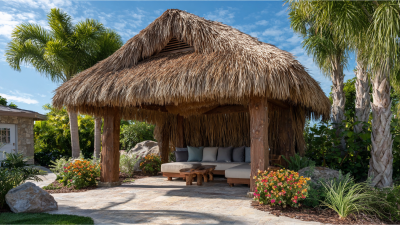
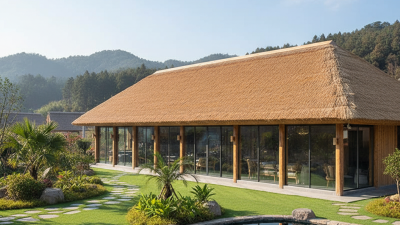
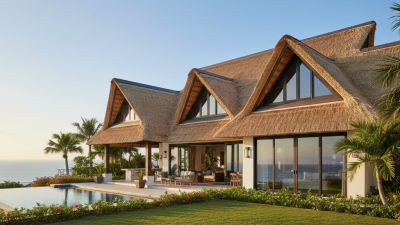
Theme Park Synthetic Thatch is revolutionizing the way attractions are designed and experienced. Unlike traditional thatch roofing, which can be prone to decay and requires significant maintenance, synthetic thatch offers a durable and visually appealing alternative. This innovative product mimics the look of natural thatch while providing enhanced longevity and weather resistance, making it an ideal choice for theme parks looking to create immersive environments without the drawbacks of real thatch.
The benefits of Theme Park Synthetic Thatch extend beyond its aesthetic appeal. For operators, it means lower maintenance costs and reduced labor associated with roof upkeep. Its lightweight design makes installation easier and faster, allowing attractions to be constructed or renovated swiftly. Additionally, synthetic thatch offers increased safety features, as it is often fire-resistant and can withstand extreme weather conditions, ensuring the safety of guests and staff alike.
As theme parks continually strive to enhance guest experiences and create memorable environments, embracing Theme Park Synthetic Thatch can significantly contribute to achieving these goals. By integrating this modern material into their designs, theme parks can not only elevate their aesthetic charm but also improve operational efficiency, making it a smart investment for the future of attractions.
What is Synthetic Thatch in Theme Parks?
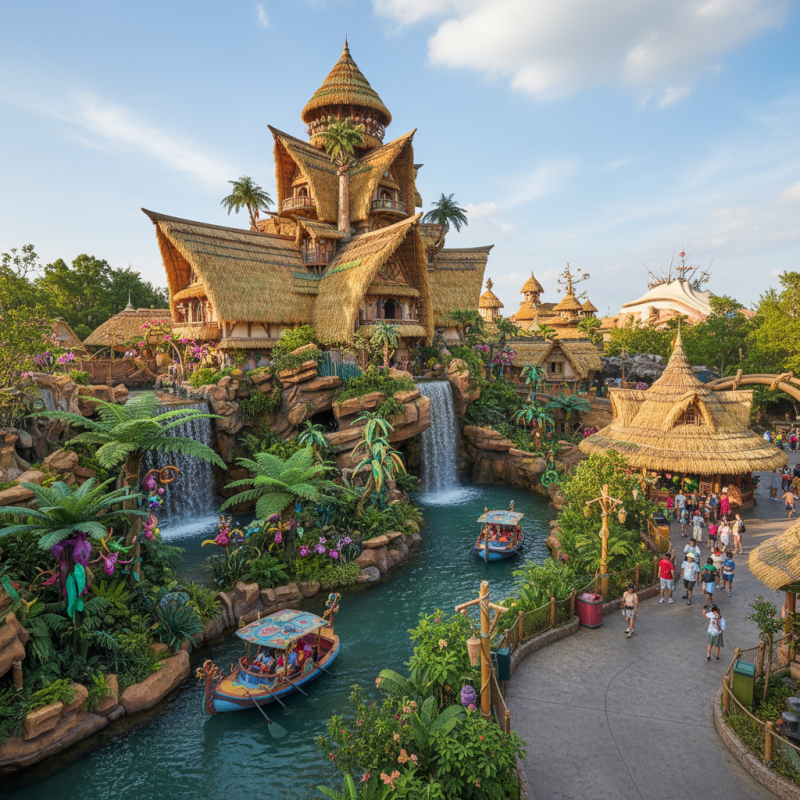
Synthetic thatch has become a popular choice for theme parks seeking to enhance their attractions while ensuring safety and sustainability. Unlike traditional thatch, synthetic options are made from high-quality, durable materials that mimic the appearance of natural grass or straw, providing an aesthetic appeal without the associated maintenance issues. According to a report by the International Association of Amusement Parks and Attractions (IAAPA), the use of synthetic materials can extend the lifespan of themed environments by up to 10 years, significantly reducing replacement costs and improving long-term planning.
One of the primary benefits of synthetic thatch in theme parks is its resilience to weather conditions. Natural thatch can degrade rapidly under harsh sunlight and rainfall, but synthetic alternatives are designed to withstand UV exposure and moisture, ensuring that attractions maintain their visual charm year-round. Additionally, the lightweight nature of synthetic thatch allows for easier installation and adaptability to various structures, facilitating updates or changes to park designs without extensive downtime.
Tip: When considering synthetic thatch for your attractions, ensure that the materials are rated for fire resistance and safety compliance to enhance guest protection. Furthermore, integrating natural-looking synthetic elements can not only improve the park's aesthetics but also create immersive experiences that engage visitors on multiple sensory levels. Consider conducting visitor feedback surveys to identify which design features resonate most with your audience.
The Materials Used in Synthetic Thatch Construction
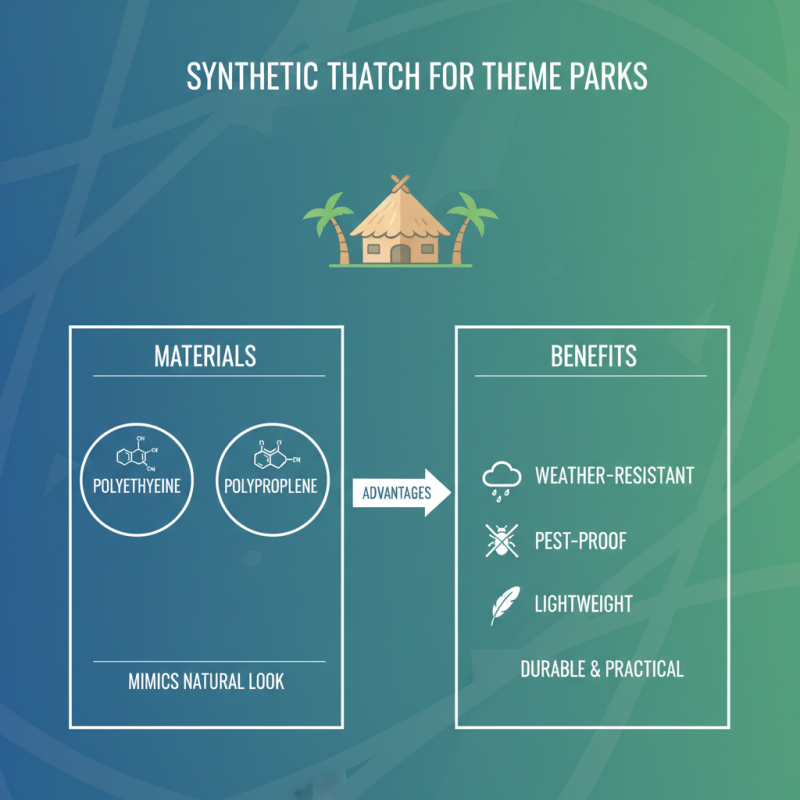
Synthetic thatch has gained popularity in theme parks and attractions for its aesthetic appeal and durability. The materials used in synthetic thatch construction primarily include polyethylene and polypropylene, which mimic the look of natural thatch while providing several advantages. Unlike traditional thatch made from reeds or straw, synthetic options are lightweight, weather-resistant, and impervious to pests, making them a more practical choice for outdoor installations.
When considering synthetic thatch for your attraction, it's essential to focus on the quality of the materials. High-density polyethylene offers excellent UV resistance, ensuring that the vibrant look of the thatch remains intact over time. Additionally, proper installation techniques can enhance the longevity of the synthetic thatch.
Tips for selecting synthetic thatch include consulting with experts who can guide you on the best materials and installation practices. Ensure that the synthetic thatch is fire-resistant and complies with local safety codes to provide a secure environment for visitors. Regular maintenance checks can also prevent accumulation of debris, ensuring the thatch remains visually appealing and functional throughout its lifespan.
Benefits of Synthetic Thatch for Theme Park Installations
Synthetic thatch has become an increasingly popular choice for theme parks, providing numerous benefits that enhance the overall experience for visitors. One of the primary advantages of synthetic thatch is its durability. Unlike traditional thatch, which can deteriorate due to weather elements, synthetic materials are designed to withstand harsh conditions, including intense sun exposure and heavy rainfall. This longevity means lower maintenance costs and less frequent replacements, allowing theme parks to allocate resources to other attractions and features.
In addition to durability, synthetic thatch is also highly versatile, making it suitable for various thematic installations. Whether creating an exotic tropical atmosphere or a rustic countryside setting, synthetic thatch can be customized to fit the park's vision, adding visual appeal and authenticity. Furthermore, it is usually lighter than natural thatch, simplifying the installation process and reducing structural requirements. This ease of installation, combined with its aesthetic flexibility, helps theme parks save time and enhance the overall guest experience by quickly integrating new attractions or refurbishing existing ones.
Comparing Synthetic Thatch to Traditional Thatched Roofing
When considering roofing options for attractions, synthetic thatch has emerged as a popular alternative to traditional thatched roofing. While genuine thatch, made from natural materials like straw or reed, brings a rustic charm, it often requires extensive maintenance and can be susceptible to pests and decay. In contrast, synthetic thatch is crafted from durable materials designed to mimic the appearance of traditional thatch while offering enhanced longevity and resilience.
One significant advantage of synthetic thatch is its resistance to harsh weather conditions, which can be a concern for outdoor attractions. Unlike traditional thatch, which can deteriorate over time, synthetic options remain intact, reducing the need for frequent repairs. Additionally, synthetic thatch is often fire-resistant and may repel insect infestations, further extending its lifespan and lowering maintenance costs.
**Tips:** When choosing between synthetic and traditional thatch, consider the climate of your location and the level of maintenance you're willing to undertake. Additionally, ensure that the aesthetic fits well with the overall theme of your attraction, as this will enhance the visitor experience. Lastly, consult with professionals who specialize in synthetic thatch to ensure you select the best option for your specific needs.
What is Theme Park Synthetic Thatch and Its Benefits for Attractions - Comparing Synthetic Thatch to Traditional Thatched Roofing
| Feature |
Synthetic Thatch |
Traditional Thatched Roofing |
| Durability |
15-25 years |
5-10 years |
| Maintenance Requirements |
Low |
High |
| Fire Resistance |
High |
Low |
| Weather Resistance |
Excellent |
Moderate |
| Aesthetic Appeal |
Varies, can look similar to natural |
Classic, authentic look |
| Installation Time |
Short |
Long |
| Cost |
Higher initial investment, lower long-term |
Lower initial cost, higher long-term |
The Role of Synthetic Thatch in Enhancing Visitor Experience
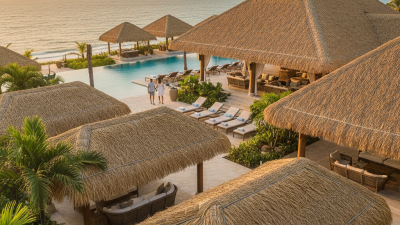
Synthetic thatch has emerged as a transformative element in theme parks, playing a crucial role in elevating the overall visitor experience. By replicating the authentic look and feel of traditional thatch roofs, synthetic options offer aesthetic appeal without compromising on durability and maintenance. Parks can create immersive environments that transport guests into different settings, whether it’s a tropical paradise or a charming village scene. This attention to detail enhances the thematic cohesion of attractions, making each visit memorable and engaging for guests of all ages.
Furthermore, the benefits of synthetic thatch extend beyond mere visuals. Its lightweight and fire-resistant properties contribute to safer park environments, reducing risks associated with traditional materials. Additionally, synthetic thatch requires minimal upkeep, allowing park operators to focus on enhancing the attractions rather than managing constant repairs or replacements. By integrating this innovative material, theme parks not only improve the ambiance but also ensure a sustainable and cost-effective approach to maintenance, ultimately enriching the visitor experience while maintaining high safety standards.