What is Synthetic Roof Thatch and How Does It Work?
Synthetic Roof Thatch is changing the roofing industry. This innovative material mimics traditional thatch while providing durability and weather resistance. Experts like John Smith, a renowned architect, emphasize its benefits. He states, "Synthetic Roof Thatch combines beauty with longevity."
Many homeowners seek ways to enhance their properties. They desire a roof that looks appealing and performs well. Traditional thatching can be labor-intensive and costly. Synthetic options offer a practical solution, requiring less maintenance. However, some may worry about the environmental impact of synthetic materials.
The choice of roofing affects aesthetic appeal and home value. Yet, some critics argue that synthetic materials lack the charm of natural thatch. It's a decision that deserves careful consideration. As the industry evolves, homeowners must weigh the pros and cons of Synthetic Roof Thatch.
What is Synthetic Roof Thatch? An Overview of Its Composition
Synthetic roof thatch is an innovative alternative to traditional thatch roofing. It mimics the aesthetic appeal of natural thatch while offering enhanced durability and maintenance benefits. Made from synthetic materials, it consists mainly of polyethylene and polypropylene fibers, which are resistant to weathering, UV rays, and pests. A recent industry report suggests that synthetic thatch can last over 50 years, compared to the 10 to 30 years of natural thatch.
One benefit of synthetic thatch is its lighter weight. This means structures require less reinforcement. Additionally, it often features improved fire resistance, reducing risks in certain environments. However, not all synthetic products are created equal. Some may fade over time or show wear more quickly than expected. It's essential to research thoroughly before installation.
**Tips:** When considering synthetic thatch, assess local climate conditions carefully. Choose products designed to withstand specific weather factors in your area. Always check warranty details and manufacturing standards for peace of mind. Regular maintenance, although less demanding than natural thatch, can prolong the lifespan of synthetic options.
The Advantages of Synthetic Roof Thatch Compared to Natural Thatch Materials
Synthetic roof thatch offers several advantages over traditional natural materials. It mimics the appearance of authentic thatch while providing enhanced durability. Unlike natural thatch, which can be vulnerable to pests and rot, synthetic options are engineered to withstand these issues. This results in lower maintenance costs over time.
In addition to longevity, synthetic roof thatch is lighter than natural alternatives. This reduces the structural load on buildings, making installation easier. Many homeowners appreciate this aspect, especially when considering older structures. Furthermore, synthetic materials come in a variety of styles and colors, allowing for customization that may not be possible with natural thatch.
While the aesthetic appeal is significant, some might question the environmental impact. Using synthetic materials raises concerns about sustainability. Natural thatch is renewable, while synthetic options are not always recyclable. It's important for homeowners to weigh these factors when choosing their roofing material. Reflecting on the balance between maintenance, appearance, and environmental considerations can lead to more informed decisions.
What is Synthetic Roof Thatch and How Does It Work? - The Advantages of Synthetic Roof Thatch Compared to Natural Thatch Materials
| Feature |
Synthetic Roof Thatch |
Natural Thatch Materials |
| Durability |
20-30 years |
5-15 years |
| Maintenance |
Low |
High |
| Weight |
Lightweight |
Heavy |
| Fire Resistance |
High |
Low |
| Cost |
Moderate |
High |
| Eco-Friendliness |
Moderate |
High |
| Weather Resistance |
Excellent |
Variable |
Understanding the Installation Process for Synthetic Roof Thatch
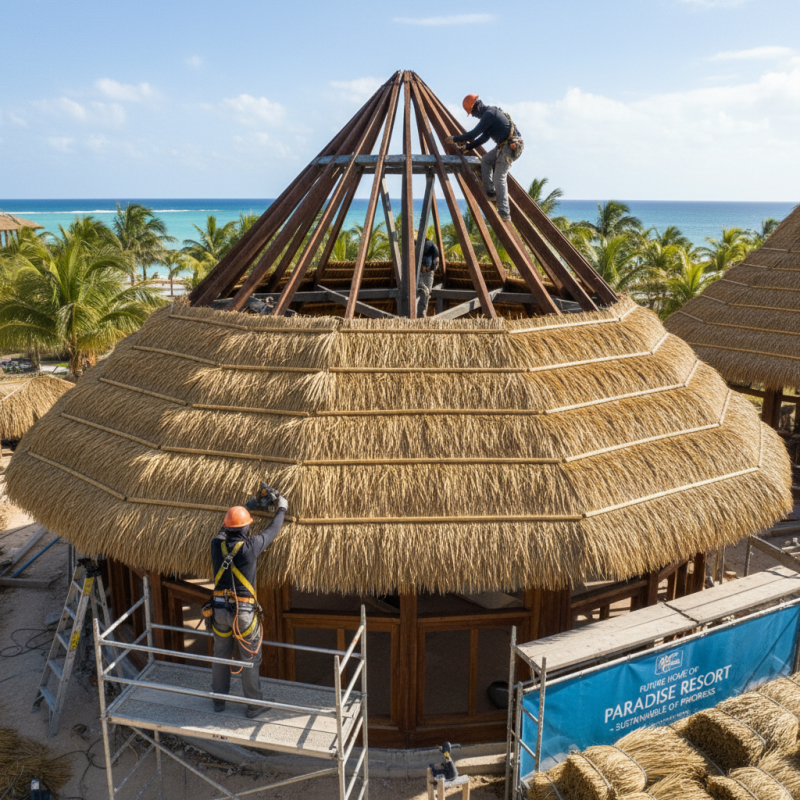
The installation process for synthetic roof thatch involves several key steps. First, a sturdy frame is essential. The framing supports the synthetic thatch and ensures longevity. Ideally, the frame should be made of durable materials such as steel or treated wood. According to industry reports, a well-supported frame can extend the lifespan of the roof by up to 15 years.
Preparation of the surface is next. Ensuring a smooth and dry substrate is crucial. Experts recommend using underlayment materials to enhance waterproofing. This layer protects against moisture infiltration, which is critical for synthetic materials. Synthetic thatch can often mimic natural styles, but improper installation may lead to issues like sagging or displacement.
Once the preparation is complete, the installation of synthetic thatch begins. Often, it is attached using screws or clips. Industry statistics show that professional installations report a 30% decrease in thermal conductivity compared to traditional thatch. Even so, DIY installations can pose risks. Homeowners should ensure they follow all guidelines to avoid mistakes. Small errors during the installation may result in gaps that allow air and moisture to penetrate, affecting insulation.
Durability and Longevity of Synthetic Roof Thatch in Different Climates
Synthetic roof thatch is gaining attention for its resilience across diverse climates. Unlike traditional thatch, synthetic materials can endure extreme weather conditions. Reports indicate that synthetic thatch can last over 30 years, significantly outperforming natural alternatives. In humid areas, the prevention of mold and mildew is crucial. Synthetic thatch shields against moisture, reducing maintenance needs.
In snowy regions, synthetic thatch is designed to handle heavy snowfall without buckling. Its lightweight nature decreases the risk of roof damage. A study from the Roofing Industry Association found that synthetic options can withstand winds exceeding 130 mph. This makes them ideal for hurricane-prone areas.
Tips: Consider local climate when selecting roofing material. Check for UV resistance in sunny locations. Always inspect roofs regularly for possible wear and tear. Even the best materials need care. Remember, aesthetics matter too; choose colors that suit your architecture. Reflect on the balance between function and design for optimal results.
Cost Analysis: Investing in Synthetic Roof Thatch for Residential Projects
Investing in synthetic roof thatch can be a wise decision for many residential projects. Traditional thatch roofs require regular maintenance and can lead to high long-term costs. In contrast, synthetic materials offer durability and lower upkeep. A recent industry report indicates that homeowners could save up to 30% on maintenance costs with synthetic options. This is a significant factor for those considering long-term investments in roofing materials.
Initial costs for synthetic thatch can be higher than traditional alternatives. However, the longevity of synthetic products often justifies the investment. Unlike natural thatch, which may need replacement every 10 to 20 years, synthetic thatch can last over 50 years. A report by the National Roofing Contractors Association highlights that synthetic roofs can withstand harsh weather conditions better than their natural counterparts.
Homeowners should also consider aesthetic factors. Synthetic thatch can replicate the look of authentic thatch while offering added benefits. It's important to evaluate whether the initial cost aligns with your budget and long-term savings. Reflect on your local climate's impact on roofing decisions. In some regions, synthetic options may become not just preferable but essential. The choice is yours, and it’s worth pondering.
Cost Analysis of Synthetic Roof Thatch vs. Traditional Thatch
This bar chart illustrates the average cost per square foot of synthetic thatch compared to traditional natural thatch. Based on current market trends, synthetic thatch typically costs around $7 per square foot, offering durability and lower maintenance, while natural thatch averages about $5 per square foot but may require more upkeep and periodic replacement.