The Rise of Synthetic Roof Thatch in Sustainable Building Practices and Its Impact on Energy Efficiency
As the architectural industry pivots towards sustainability, the adoption of innovative materials has become paramount in enhancing energy efficiency. One such breakthrough is the rise of
Synthetic Roof Thatch, which offers a viable alternative to traditional thatching while addressing environmental concerns. According to a report by the Global Sustainability Institute, buildings account for nearly 40% of global energy consumption, highlighting the urgent need for sustainable construction practices.
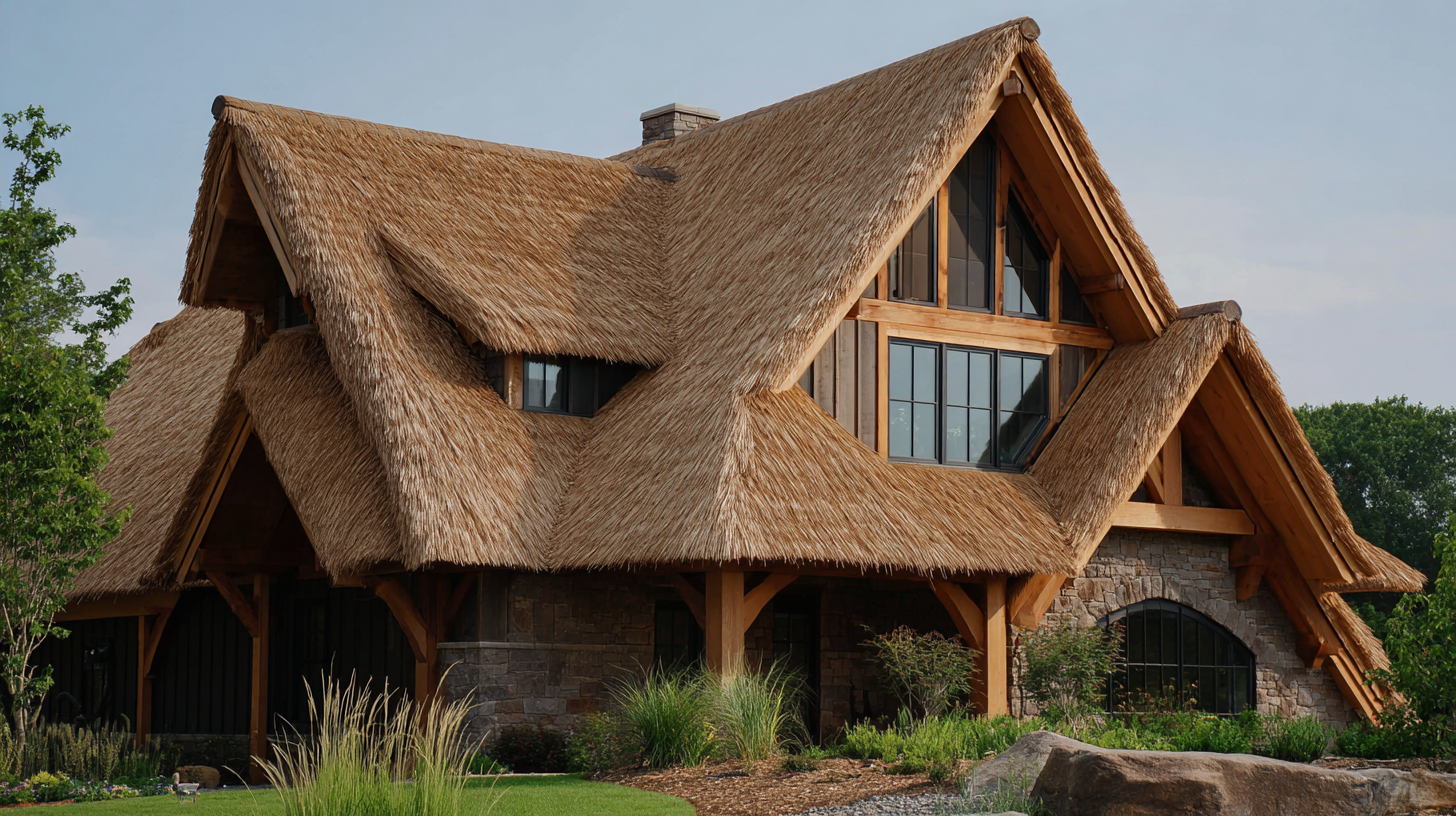
Synthetic Roof Thatch not only mimics the aesthetic appeal of natural thatch but also provides superior insulation properties, reducing heat transfer and ultimately lowering energy costs. Research indicates that structures utilizing Synthetic Roof Thatch can achieve energy savings of up to 30% compared to conventional roofing materials. By integrating this innovative solution into sustainable building practices, the industry can significantly contribute to the reduction of carbon footprints, aligning with global targets for climate change mitigation.
Understanding Synthetic Roof Thatch and Its Composition in Sustainable Architecture
Synthetic roof thatch is emerging as a popular choice in sustainable architecture, offering a viable alternative to traditional materials. Composed of high-density polyethylene (HDPE) or polyvinyl chloride (PVC), synthetic thatch mimics the aesthetic appeal of natural grass, reeds, or straw while providing enhanced durability and minimal maintenance. According to a report by the Global Sustainable Roofing Coalition, the use of synthetic materials has been found to reduce energy consumption in buildings by up to 30%, as these materials help to improve insulation and thermal performance.
The benefits of synthetic roof thatch extend beyond energy efficiency; they also contribute to longevity and weather resistance. Traditional thatching materials are often susceptible to decay, pest infestation, and harsh weather conditions. In contrast, synthetic thatch can withstand extreme temperatures and moisture, with some products offering warranties of 50 years or more. A study from the International Journal of Sustainable Building Technology indicates that buildings fitted with synthetic roofs can achieve significant reductions in cooling energy demand, which is particularly relevant in regions experiencing rising temperatures due to climate change. This innovative solution not only enhances the aesthetic value of buildings but also aligns with the goals of sustainable building practices.
Benefits of Using Synthetic Roof Thatch for Energy Efficiency and Thermal Regulation
Synthetic roof thatch has emerged as a significant alternative in sustainable building practices, offering numerous benefits for energy efficiency and thermal regulation. Unlike traditional thatch made from natural reeds or straw, synthetic materials are designed to mimic the aesthetic appeal of organic thatch while providing enhanced durability and performance. One of the key advantages of synthetic roof thatch is its exceptional insulating properties, which help to maintain stable indoor temperatures throughout the year. This is particularly beneficial in regions subject to extreme weather conditions, allowing for reduced energy consumption for heating and cooling.
Moreover, synthetic roof thatch contributes to better thermal regulation by minimizing heat transfer. This capability ensures that buildings remain cooler in the summer and warmer in the winter, effectively lowering reliance on artificial climate control systems. As a result, homeowners and builders can achieve significant energy savings, which not only reduces utility costs but also contributes to a lower carbon footprint. By integrating synthetic thatch into sustainable building designs, architects and builders can create environments that are both energy-efficient and aesthetically pleasing, aligning with modern sustainability goals.
Comparative Analysis: Synthetic Thatch vs. Traditional Thatch for Eco-Friendly Building
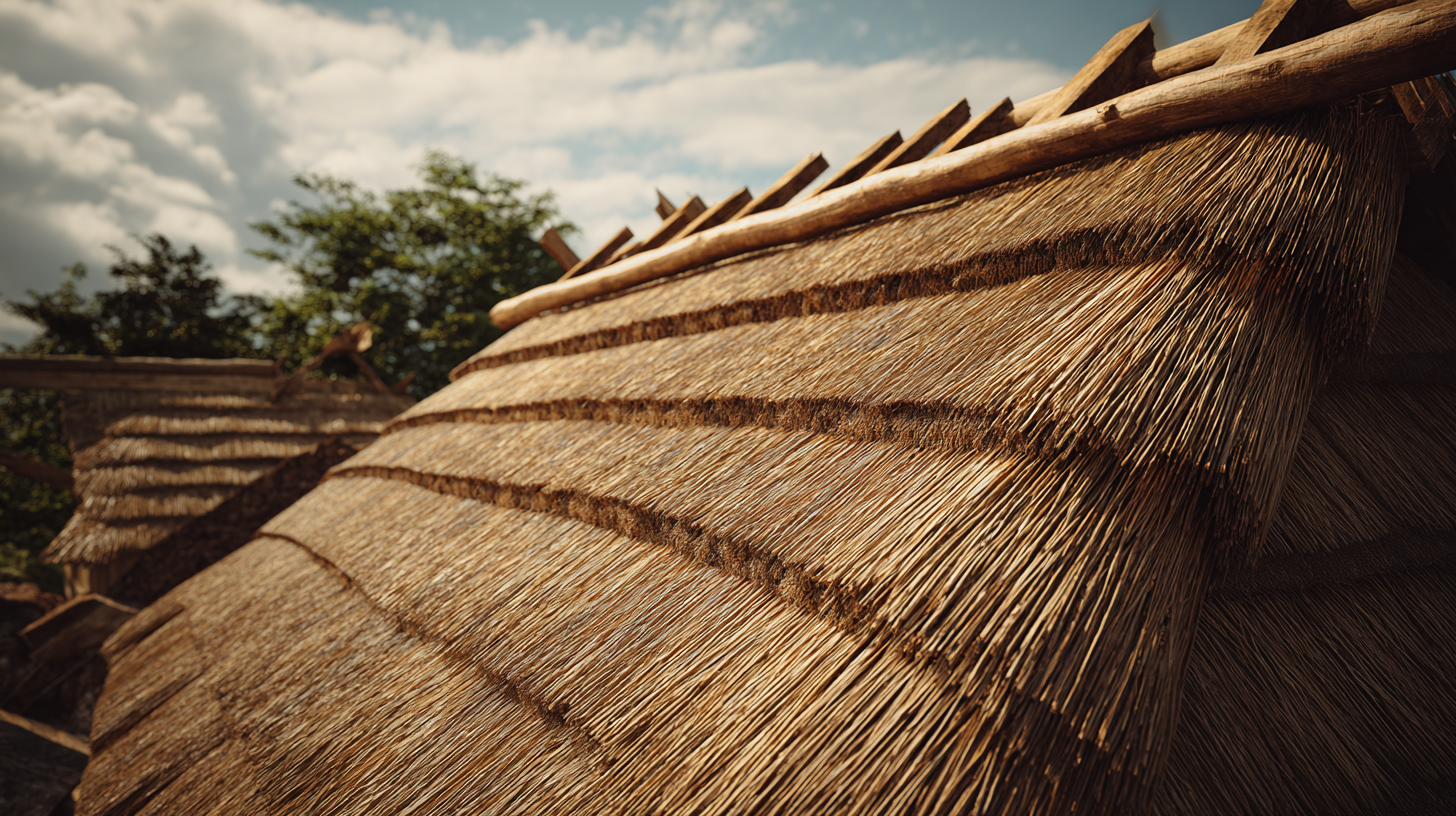 The rise of synthetic roof thatch in sustainable building practices is reshaping the construction landscape, offering an innovative alternative to traditional thatch. While traditional thatch has been employed for centuries and offers natural aesthetics, it comes with challenges such as pest susceptibility and higher maintenance demands. Synthetic thatch, on the other hand, often made from durable materials, not only provides a similar visual appeal but also enhances energy efficiency by better insulating buildings.
When choosing between synthetic and traditional thatch, consider the long-term benefits. Synthetic thatch typically requires less maintenance, reducing costs over time, and it is less prone to mold and rot, ensuring a longer lifespan. Additionally, synthetic options are often crafted to reflect sunlight, further aiding in energy conservation.
Tips: When opting for synthetic thatch, ensure it is made from recycled materials to maximize sustainability. Additionally, look for products with a certified energy rating to guarantee optimal thermal performance. Regular inspections and cleanings, even for synthetic roofs, can enhance longevity and efficiency, ensuring your building remains eco-friendly and energy-efficient for years to come.
Installation Techniques for Synthetic Roof Thatch to Maximize Longevity and Performance
The installation of synthetic roof thatch is a game-changer for sustainable building practices, focusing on longevity and performance. One of the critical aspects to consider during installation is the substrate preparation. According to the International Journal of Sustainable Building Technology, proper substrate selection can enhance the lifespan of synthetic thatch by up to 30%. A firm, moisture-resistant base—such as plywood or specialized synthetic boards—helps to prevent damage from water infiltration and pests, ensuring that the thatch maintains its aesthetic and functional qualities over time.
Furthermore, employing advanced fastening techniques can also significantly enhance the performance of synthetic roof thatch. Research from the National Renewable Energy Laboratory indicates that roofs installed with high-density clips can withstand wind uplift pressures up to 150 mph, providing exceptional durability even in severe weather conditions. Additionally, integrating reflective underlay materials can improve energy efficiency by reducing heat absorption, resulting in lower HVAC costs. As the market for sustainable building materials grows, understanding these installation techniques becomes crucial for maximizing the benefits of synthetic roof thatch in green architecture.
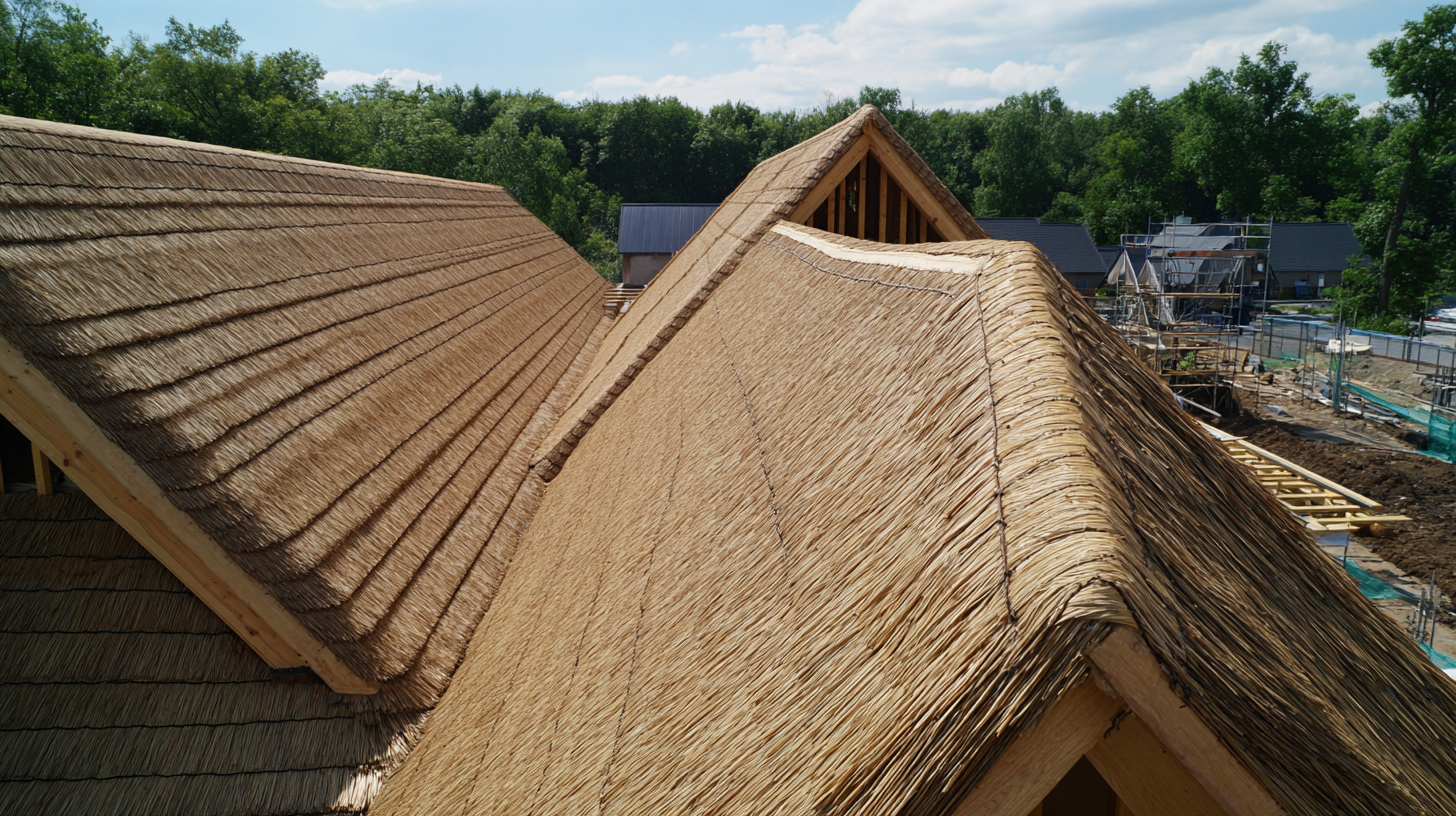
Future Trends: Innovations in Synthetic Roof Thatch for Sustainable Construction Practices
The future of sustainable construction is increasingly leaning towards innovative materials that enhance energy efficiency, and synthetic roof thatch is at the forefront of this evolution. New advancements in material science are leading to the development of synthetic thatch products that not only replicate the aesthetic appeal of traditional thatch but also offer superior durability and insulation. These materials are engineered to reduce heat loss in winter and minimize heat absorption in summer, thereby enhancing the overall energy efficiency of buildings.
Innovations in synthetic roof thatch also focus on environmental sustainability. Manufacturers are exploring bio-based polymers and recycled materials that significantly lower the carbon footprint associated with roof construction. Moreover, these products are often designed to be lightweight, making them easier to transport and install, which further reduces the environmental impact. As the demand for green building solutions rises, synthetic roof thatch is set to play a vital role in shaping sustainable architectural practices, while meeting the growing need for energy-efficient structures in various climates.
The Rise of Synthetic Roof Thatch in Sustainable Building Practices and Its Impact on Energy Efficiency
| Dimension |
Data |
| Material Type |
Synthetic Thatch |
| Energy Efficiency Improvement |
30% increase in energy conservation |
| Average Lifespan |
25 years |
| Installation Time |
50% faster than traditional thatch |
| Maintenance Frequency |
Every 5 years |
| Sustainability Rating |
Highly Sustainable |
| Recyclability |
100% recyclable |
| Market Growth Rate |
15% annually |
| Carbon Footprint Reduction |
20% reduction compared to traditional materials |
| Heat Resistance |
Excellent |