In recent years, the construction and landscaping industries have seen a growing trend towards sustainable and eco-friendly materials. One of the most innovative solutions gaining traction is Plastic Artificial Thatch. According to a report by Grand View Research, the global artificial grass market is expected to reach USD 6.4 billion by 2025, with a significant portion attributed to synthetic roofing materials that mimic natural thatch. This statistic underscores a shift towards materials that not only offer durability and aesthetic appeal but also minimize environmental impact.
Plastic Artificial Thatch, designed to replicate the traditional thatched roofing, provides a long-lasting alternative that resists weathering, insects, and decay. By employing advanced polymer technologies, manufacturers have created a product that preserves the classic look while providing enhanced performance and lower maintenance costs. A survey by the Sustainable Landscaping Institute revealed that over 70% of landscape architects are now considering the use of artificial materials in projects, with Plastic Artificial Thatch being a popular choice due to its versatility and resilience.
As consumers and professionals move towards greener building practices, the integration of Plastic Artificial Thatch into various applications—from residential homes to commercial developments—offers an exciting opportunity. In this article, we will explore the benefits, uses, and practical applications of Plastic Artificial Thatch, providing valuable insights for those looking to enhance their projects sustainably.
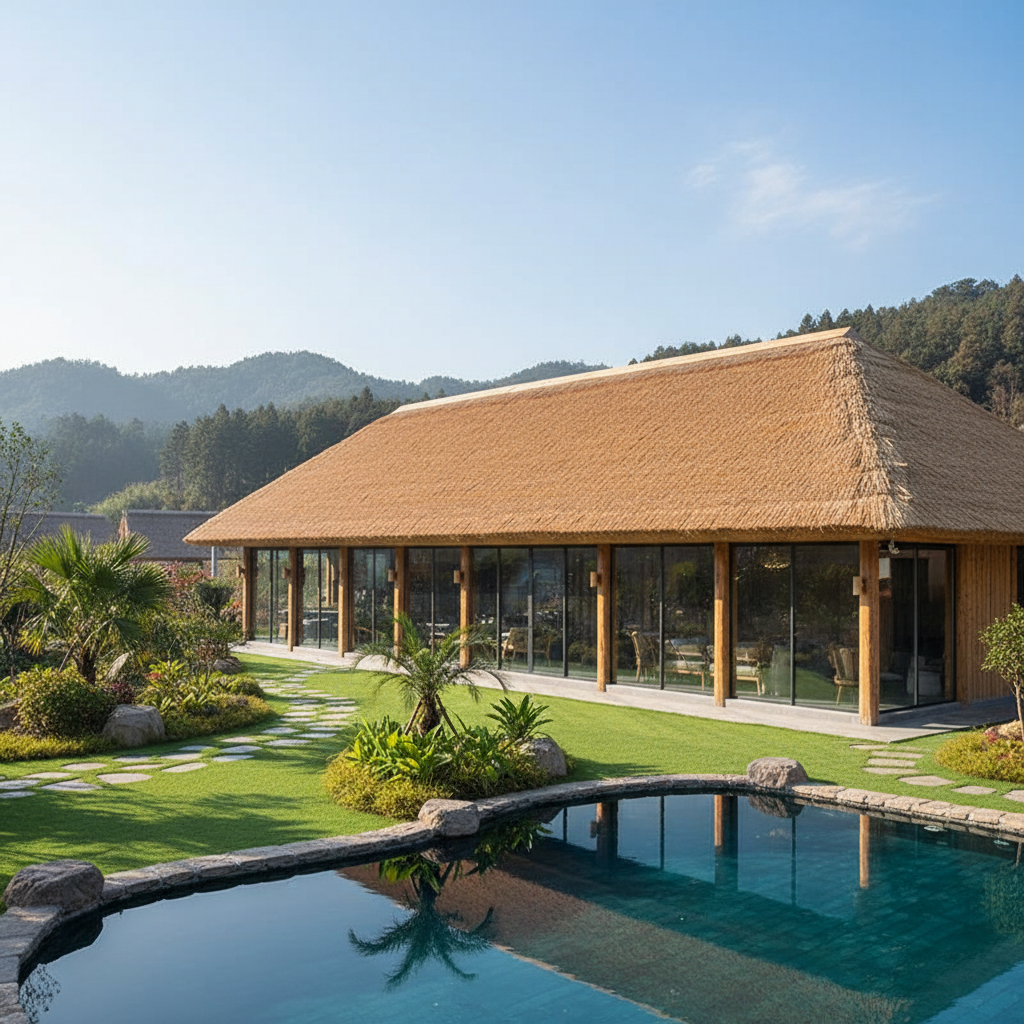
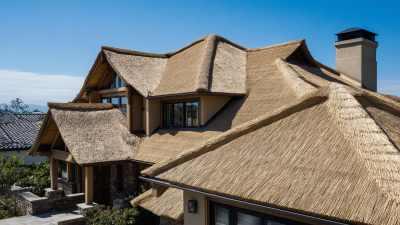
Plastic artificial thatch is a synthetic roofing or landscaping material designed to mimic the appearance of traditional thatch. It is often made from durable, weather-resistant plastics that prevent fading and degradation over time. The benefits of using plastic artificial thatch are numerous. Firstly, it is lightweight, making installation and transport much easier compared to natural materials. Additionally, it requires little to no maintenance, eliminating the common issues associated with organic thatch, such as pests, mold, and rot.
When incorporating plastic artificial thatch into your projects, consider the following tips: Choose high-quality materials that simulate the look of natural thatch for a more authentic appearance. Utilize it not just for roofing but also for decorative accents in gardens or themed events, enhancing visual appeal without the hassle of upkeep. Finally, remember to secure the panels properly to ensure they withstand harsh weather conditions, providing longevity to your investment.
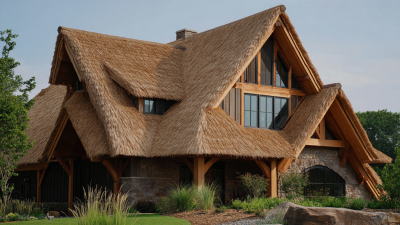
Plastic artificial thatch is emerging as a revolutionary material in construction, offering a variety of advantages over traditional thatching methods. One of the most significant benefits is its durability; unlike natural materials that degrade over time due to weather conditions and pests, plastic thatch can withstand the elements without succumbing to wear and tear. This resilience results in a longer lifespan, making it a cost-effective option for builders and homeowners alike.
Additionally, plastic artificial thatch requires minimal maintenance. In an era where sustainability is increasingly prioritized, this material's ability to maintain its aesthetic appeal without the need for watering, mowing, or fertilizing makes it an attractive choice for eco-conscious projects. With advancements in technology, plastic thatch can now mimic the look and feel of traditional thatching, allowing for a visually appealing finish that enhances the overall design of a structure. Whether used in residential landscaping or commercial building façades, the advantages of plastic artificial thatch provide an innovative solution for modern construction needs.
| Feature | Description |
|---|---|
| Durability | Plastic thatch is resistant to weather conditions, pests, and decay. |
| Low Maintenance | Only requires occasional cleaning, unlike natural thatch. |
| Lightweight | Easier to handle and install compared to traditional roofing materials. |
| Eco-Friendly | Made from recycled materials, reducing environmental impact. |
| Aesthetic Appeal | Provides an attractive thatched look suitable for various designs. |
| Cost-Effective | Generally more affordable than traditional thatching materials over time. |
| Versatility | Can be used for roofs, wall cladding, and outdoor structures. |
Plastic artificial thatch has gained popularity in landscaping due to its durability and versatility. According to the Green Roofs and Wall Systems Market Report, the global market for synthetic materials in landscape architecture is projected to grow significantly, with a focus on sustainable and low-maintenance solutions.
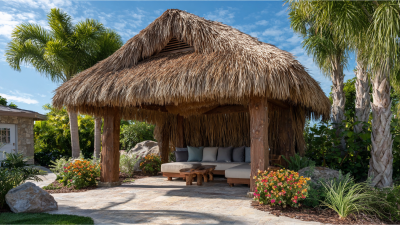
One of the top applications of plastic artificial thatch is in the construction of tropical-themed resorts and pool areas. These installations mimic the natural thatch roofs found in traditional tiki bars and beach huts, providing an exotic ambiance without the drawbacks of organic materials, such as susceptibility to mold and decay.
Another prominent use of plastic artificial thatch is in outdoor structures like pergolas and gazebos. A report by the Outdoor Living Products Association indicates that the demand for outdoor living spaces has surged, leading to an increased interest in materials that combine aesthetics with resilience. Plastic thatch can withstand harsh weather conditions and requires minimal upkeep, making it an ideal choice for landscaping professionals looking to enhance outdoor aesthetics while ensuring longevity.
This trend highlights the evolving preferences in landscaping design, where functionality meets design innovation.
Plastic artificial thatch is becoming increasingly popular in construction and landscaping, primarily due to its durability and low maintenance compared to traditional thatch materials like straw or palm. While traditional thatch can provide a rustic aesthetic and natural insulation, it is often susceptible to weather damage, pests, and decomposition over time. In contrast, plastic artificial thatch can withstand harsh environmental conditions, making it a more reliable option for long-term projects. Additionally, it is lighter and easier to install, allowing for a more efficient construction process.
When considering plastic artificial thatch for your projects, here are some tips to ensure a successful application. First, always choose high-quality materials that closely mimic the look of traditional thatch; this will enhance the overall aesthetic of your design. Second, ensure proper ventilation and drainage to prevent moisture buildup, as even plastic can deteriorate if exposed to constant dampness. Finally, remember to evaluate the environmental impact of your choice—plastic may not be biodegradable, so consider how it aligns with your sustainability goals.
In the end, while both plastic and traditional thatch have their merits, the choice often comes down to the specific needs of your project, including budget, maintenance preferences, and design aspirations.
When it comes to installing plastic artificial thatch, proper techniques ensure durability and aesthetic appeal. Start by preparing the surface where you will install the thatch. Make sure that it is clean, dry, and level to prevent any uneven surfaces that could lead to water pooling and damage. Using appropriate fasteners, such as stainless steel screws or nails, will help maintain the integrity of the thatch over time, especially considering varying weather conditions.
Another essential aspect of installation is overlapping the panels correctly. For a seamless look, ensure that each piece overlaps at least 6-8 inches. This not only enhances the visual appeal but also aids in preventing water infiltration, which can compromise both the thatch and the underlying structure. Furthermore, consider the direction of the installation—doing it in a downward slope will allow rainwater to run off effectively. Regular inspection and maintenance should also be part of your project plan, as this will help maintain the thatch's appearance and functionality well into the future.