Leave Your Message
Please agree to this agreement

Top Cedar Shingle Suppliers for Global Buyers?

Choosing the right Cedar Shingle supplier is more complex than comparing prices on a spreadsheet. Global buyers must assess species, grade, moisture content, treatment, packaging, and export experience. A visually attractive bundle can still contain uneven butts, excessive sapwood, or poorly protected edges. Small details matter.

The USDA Forest Products Laboratory’s Wood Handbook, FPL-GTR-282, identifies western redcedar as lightweight, dimensionally stable, and naturally resistant to decay. However, these advantages depend on heartwood content, manufacturing quality, climate, and installation. Not every cedar is equal. The Cedar Shake and Shingle Bureau also provides recognized grading guidance for cedar roofing products, helping buyers compare exposed face quality, thickness, and performance expectations.

Sustainability adds another layer. The FAO Global Forest Resources Assessment 2020 reports that forests cover about 31% of the world’s land area. That figure does not prove responsible sourcing. Buyers still need traceable origin records, credible certification, and clear chain-of-custody documentation. FSC and PEFC certifications can support this review, but certification claims should be verified directly.

Reliable suppliers usually provide product samples, technical datasheets, inspection photos, moisture information, pallet specifications, and consistent export documentation. They should explain container loading, fumigation requirements, delivery terms, and replacement policies without vague promises. This guide focuses on suppliers that combine product quality, transparent communication, and practical logistics.

There is no perfect shortlist. Regional availability, freight costs, and building standards change. Even experienced buyers can overlook hidden risks. A careful comparison remains essential before placing a large Cedar Shingle order.
Top Cedar Shingle Suppliers for Global Buyers?

Cedar Shingles: Types, Grades, and Essential Performance Features

Top Cedar Shingle Suppliers for Global Buyers?

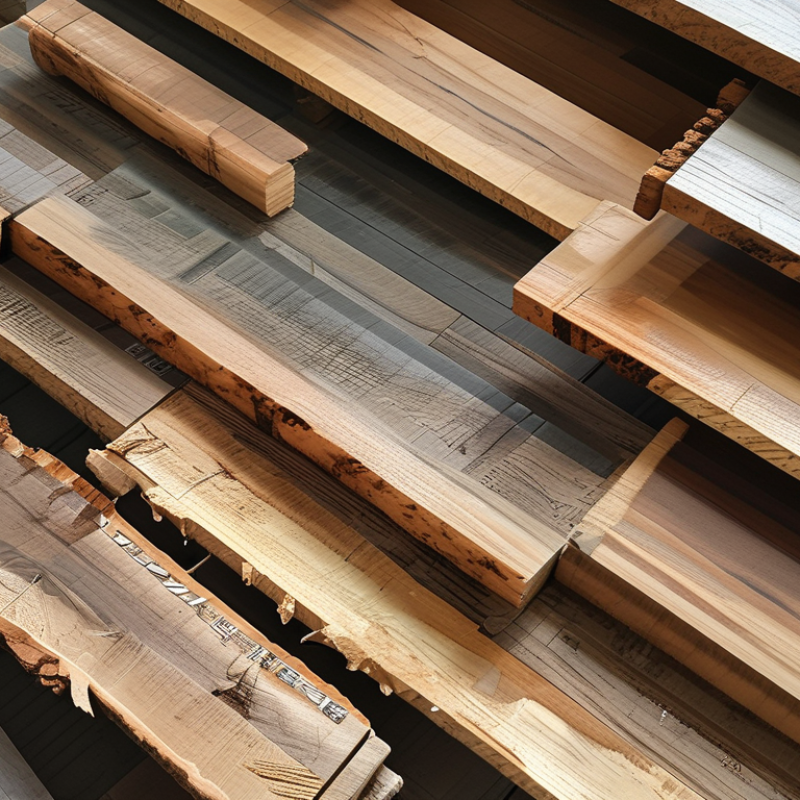
Cedar shingles differ by species, cut, exposure, and grading rules. Western red cedar is light, stable, and naturally resistant to decay. The USDA Forest Service Wood Handbook, FPL-GTR-282 (2021), lists its average density near 23 pounds per cubic foot and Janka hardness near 350 lbf. That softness helps cutting, but it also demands careful handling during shipping and installation.

Common grades range from clear, premium faces to knotty utility material. Clear grades offer a cleaner appearance and fewer weak points. Lower grades may suit sheds or rustic walls, but knots can open as moisture cycles continue. Grade names are not universal.

Buyers should request the exact regional standard, bundle count, butt thickness, and moisture content. A label alone is not enough.

Performance depends on more than species. Check resistance to rain penetration, wind uplift, UV exposure, and fire classification. The U.S. Forest Service notes that cedar’s dimensional movement is lower than many heavier woods, yet poor ventilation can still trap moisture beneath shingles.

This is where specifications often fail in practice. Ask for installation spacing, underlayment requirements, treatment records, and test documentation.

For global procurement, packaging should protect edges from crushing and allow inspection before installation. A small sample can reveal uneven grain, brittle corners, or excessive sapwood—details that a product sheet may miss.

How to Evaluate Cedar Shingle Suppliers for International Purchasing

Top Cedar Shingle Suppliers for Global Buyers

How to Evaluate Cedar Shingle Suppliers for International Purchasing

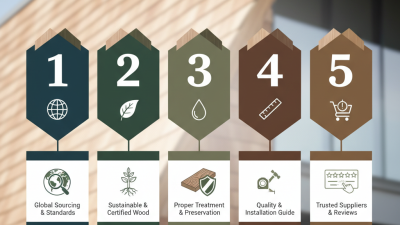
Choosing a cedar shingle supplier requires more than comparing prices. Examine wood origin, species, moisture content, grain direction, and grading standards. Request physical samples, not only catalog photographs. A sample should show consistent thickness, clean edges, and limited defects. Ask how shingles are dried, bundled, stored, and protected during ocean transport. Clear answers reveal practical manufacturing knowledge.

Tips: Build a supplier scorecard before requesting quotations. Check factory capacity, production lead times, packaging details, inspection procedures, and export experience. Confirm whether product specifications remain consistent between samples and mass production. Ask for recent test reports and traceable production records. Reliable suppliers explain delays honestly and provide corrective actions, rather than offering vague promises. Communication matters. A fast reply is not enough.

Payment terms and shipping documents also deserve careful review. Compare quotations using the same dimensions, bundle quantity, treatment options, and delivery terms. A low unit price may hide weak packaging or high replacement risk. Request photographs of pallets before loading. Moisture damage can begin inside tightly wrapped bundles. Independent inspection can reduce uncertainty, although it adds cost. That trade-off is easy to underestimate. Supplier evaluation is never perfect; even a careful checklist cannot predict every harvest variation or port delay. Recheck assumptions before placing a large order.

How to Evaluate Cedar Shingle Suppliers for International Purchasing

Recommended evaluation weights for global buyers. Higher percentages indicate greater importance when comparing anonymous cedar shingle suppliers.

Use these criteria to compare product compliance, export readiness, quality assurance, delivery reliability, landed cost, sampling, and after-sales support before placing an international order.

Leading Cedar Shingle Supplier Categories by Region and Production Scale

Top Cedar Shingle Suppliers for Global Buyers

Cedar shingle suppliers usually fall into three regional categories: North American mills, European specialty producers, and smaller export-focused workshops. North American mills often operate at large production scale, supplying standardized bundles for roofing and siding projects. The USDA Forest Products Laboratory identifies western red cedar as naturally durable, lightweight, and workable, making it suitable for exterior applications.

Scale matters.

Large suppliers typically offer kiln-dried products, consistent thickness, palletized shipping, and documented grading. Regional producers may provide more varied grain, custom lengths, or hand-split textures.

According to the FAO’s Global Forest Products Facts and Figures 2023, global industrial roundwood production exceeded 2 billion cubic meters in 2022. Cedar represents only a small share, so availability can change quickly by region and harvest conditions.

Small producers can be valuable for restoration work.

However, buyers should verify more than appearance. Request moisture-content records, bundle coverage, fire-treatment documentation, and proof of species origin. ASTM standards and local building codes may define acceptable dimensions, exposure, and treatment requirements. I have found that “premium” is not a universal grade; some listings use the term loosely. Freight distance also affects carbon impact, breakage risk, and landed cost. A supplier with lower factory pricing may become expensive after port handling, insurance, and replacement claims. Comparing production scale with regional certification, packaging quality, and technical support gives global buyers a more realistic purchasing view.

Global Standards, Certifications, and Quality Checks for Cedar Shingles

Global buyers should evaluate cedar shingle suppliers through documented standards, not attractive samples alone. Requirements may differ by destination, climate, and building code. Ask for current product specifications, grading rules, moisture limits, and treatment details. These documents should match the actual shipment.

Quality checks begin with the wood itself. Inspect grain direction, thickness, width, edge cuts, knots, splits, and surface damage. Cedar shingles should feel dry, clean, and consistent within each bundle. Moisture testing is essential before loading. Excess moisture can encourage distortion, staining, or mold during transport. Small details matter.

Certifications also require careful review. Responsible forestry claims should include valid chain-of-custody records, where applicable. Independent laboratories can verify moisture, durability, fire performance, and coating results against the buyer’s target market standards. Check certificate numbers, issuing bodies, expiry dates, and product scope. A certificate may cover one factory line, not every product. That difference is often missed.

Reliable suppliers permit pre-shipment inspections and retain batch records. Ask for photographs showing labels, pallet protection, and container loading. Packaging should resist rain, crushing, and prolonged humidity. Traceable lot numbers make later claims easier to investigate. However, inspection reports are not perfect. Sampling can miss defects hidden inside bundles. Buyers should combine factory audits, independent testing, and arrival checks before approving large orders.

Shipping, Pricing, and Import Considerations for Worldwide Buyers

Global buyers should evaluate cedar shingle suppliers through shipping reliability, grading, and landed cost. Experience shows that a low factory price can become expensive after port fees, insurance, and inland delivery. UNCTAD’s Review of Maritime Transport reports that ships carry over 80% of global merchandise trade. However, ocean space, fuel surcharges, and port congestion can quickly change quotations. Request a detailed pro forma invoice showing shingle grade, bundle coverage, moisture condition, packaging, and delivery terms. Do not compare prices by bundle alone. Compare the delivered cost per square metre.

Supplier quality also affects import risk. The USDA Forest Products Laboratory’s Wood Handbook explains that moisture movement can cause wood to shrink, swell, and deform. Ask for recent production photos, moisture readings, treatment records, and independent inspection options. Importers should confirm the correct HS classification, duty rate, labeling rules, and phytosanitary requirements with their customs authority. Wood packaging may require ISPM 15 compliance. Requirements differ by destination, and assumptions create delays. I would not trust a supplier using only a generic certificate.

Tips: Obtain three comparable quotes. Ask for a small sample shipment. Confirm bundle dimensions before booking freight. Use CIF only when insurance terms are clear. FOB may offer better control, but it requires stronger logistics experience. Build a contingency budget for exchange-rate changes, inspections, and damaged bundles. A perfect forecast is unlikely. Track the BLS Producer Price Index for sawmill products, then review freight rates before signing a long-term contract.

Top Cedar Shingle Suppliers for Global Buyers? - Shipping, Pricing, and Import Considerations for Worldwide Buyers
Supplier Region Typical Product Range Common Grade Typical Packaging Indicative MOQ Indicative FOB Price Production Lead Time Typical Ocean Transit Recommended Import Checks
Western Canada Western red cedar shingles and shakes; natural, pressure-treated, or fire-retardant options Clear or premium grades for visible roofing and wall applications Strapped bundles with moisture-resistant wrapping; export pallets available Usually 1–3 pallets for trial orders; full-container orders negotiated separately Approximately US$1,600–3,400 per m³ 3–8 weeks, depending on treatment and season Approximately 18–35 days to major ports in Asia or Europe, excluding port delays Confirm phytosanitary requirements, treatment certificates, bundle count, and moisture protection
Pacific Northwest, United States Red cedar shingles and shakes for roofing, siding, and architectural restoration Premium, Number 1, Number 2, or utility grades, subject to the applicable product standard Bundled by coverage area and secured on fumigated or compliant export pallets Commonly 1–2 pallets for samples or small projects; larger orders by container Approximately US$1,700–3,600 per m³ 2–6 weeks for standard grades; longer for treated products Approximately 20–40 days to Europe or Asia, depending on port pair and transshipment Request grading documentation, treatment details, country-of-origin documents, and ISPM 15 pallet compliance
British Columbia Coastal Mills Machine-sawn shingles, hand-split shakes, and custom thicknesses for premium construction Architectural or selected vertical-grain material for higher-end projects Export bundles with corner protection, strapping, and container-ready palletization Often 2–5 pallets for custom specifications Approximately US$2,000–4,200 per m³ 4–10 weeks for custom dimensions or special finishes Approximately 18–35 days to the main ports of North Asia and Northern Europe Check dimensional tolerances, bundle coverage, color variation, and whether custom treatment is accepted in the destination country
Northeastern United States Eastern white cedar shingles for siding, cottages, restoration, and regional roofing applications Natural or factory-stained grades; clear grades generally cost more Small bundles or cartons for retail-style orders; palletized bulk shipments available Typically 1 pallet for project orders; minimums vary by finish and packaging format Approximately US$1,400–3,100 per m³ 2–7 weeks, with stained or custom-packed orders taking longer Approximately 25–45 days to overseas destinations, depending on the export port Verify species identification, coating composition, pallet treatment, and destination-country fire regulations
European Timber Distributors Imported red cedar shingles, shakes, and related roofing accessories supplied from regional stock Grades and specifications vary by original producer and local building requirements Warehouse-stock bundles, project pallets, or mixed accessory loads Often lower than direct-mill export orders; commonly 1 pallet or a mixed truckload Approximately €2,000–4,800 per m³, excluding local taxes 1–4 weeks when stocked; 8–14 weeks for replenishment imports Not applicable for domestic delivery; replenishment sea freight commonly takes 3–7 weeks Confirm VAT treatment, customs origin, product documentation, local fire classification, and delivery access restrictions
Asia-Pacific Import Stockists Imported cedar shingles and shakes for resort, residential, heritage, and specialty construction Selected or premium grades, often supplied against project specifications Containerized bundles with desiccants, pallet wrapping, and moisture-control procedures Usually project-based; one or more pallets for stock orders and larger container quantities for direct import Approximately US$2,200–5,000 per m³ after regional distribution, before local taxes 2–8 weeks from local stock; 8–16 weeks for direct replenishment Approximately 20–45 days from North American ports, excluding customs clearance Review quarantine rules, fumigation or phytosanitary documents, tropical moisture protection, and local fire-performance requirements
Pricing is indicative for natural cedar shingle or shake products and can change with species, grade, thickness, treatment, order volume, currency, season, and freight conditions. Freight durations exclude customs clearance, inland delivery, port congestion, and weather-related delays. Buyers should confirm the applicable HS classification, import duty, VAT or sales tax, plant-health rules, fire regulations, and ISPM 15 requirements with the destination-country authorities before ordering.