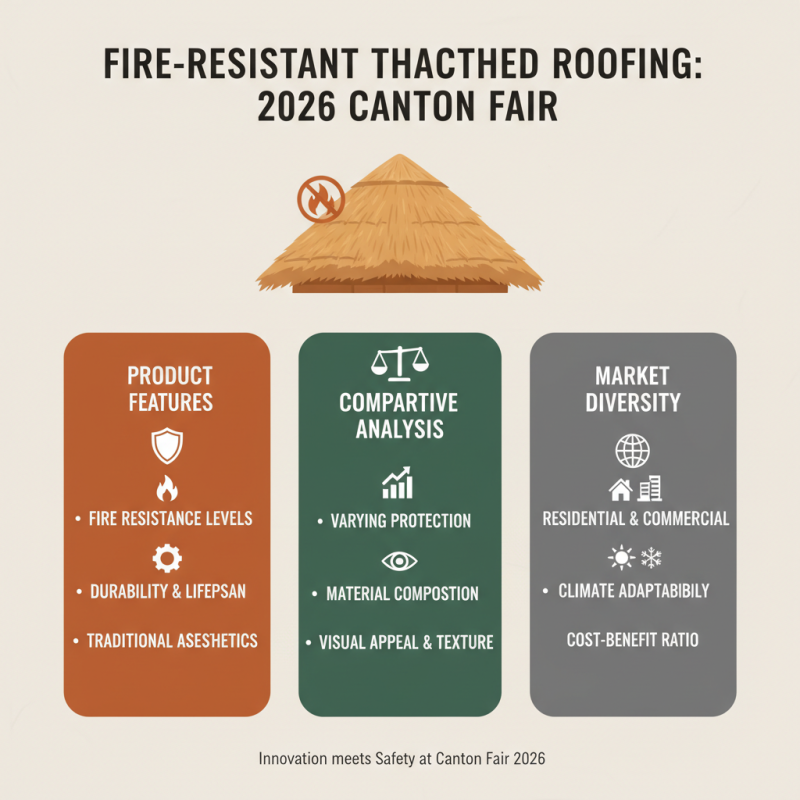
Best Fireproof Thatch Roof Solutions at 2026 Canton Fair?
As the world becomes increasingly aware of fire safety, the demand for fireproof thatch roofs has surged. In 2021 alone, the global market for fireproof materials was valued at over $160 billion, with projections to grow significantly. This industry shift aligns with the upcoming 2026 Canton Fair, which will showcase innovative fireproof thatch roof solutions.
During the Canton Fair, scheduled from April 15 to May 5, industry experts will gather to explore cutting-edge materials. The introduction of AI smart search and navigation is set to enhance procurement efficiency, allowing buyers to find suppliers certified with ISO and CE. This feature grants access to over 1.55 million square meters of exhibition space, emphasizing the importance of fire safety in construction.
Fireproof thatch roof solutions are gaining traction, yet challenges remain. Not all products meet rigorous safety standards. As consumers seek reliable options, they must navigate a market filled with varied quality. Reflecting on these developments, the need for education on fire safety materials becomes apparent.
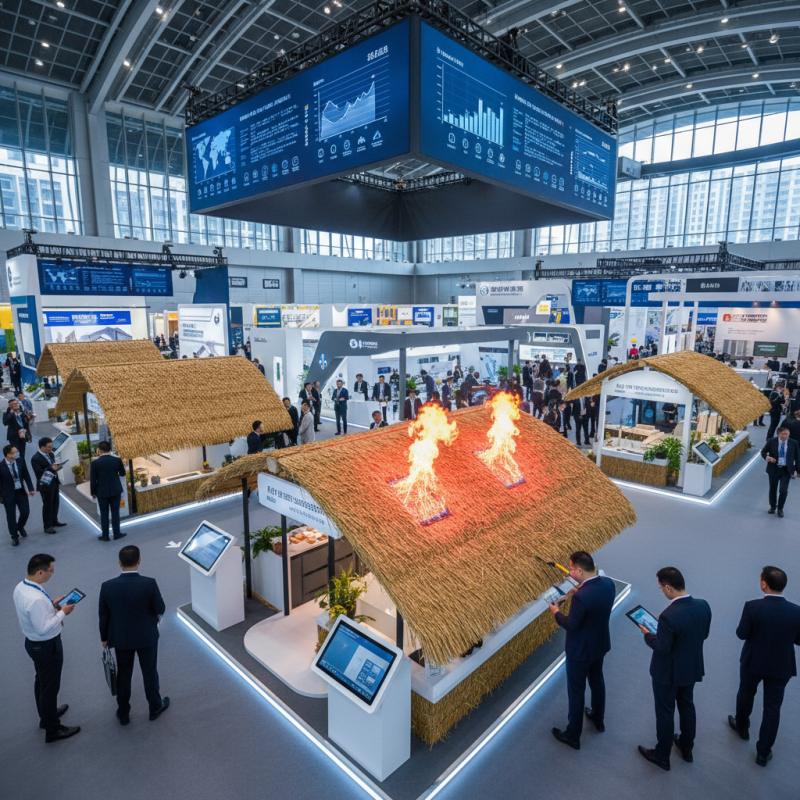
Best Fireproof Thatched Roof Solutions for Modern Building Applications
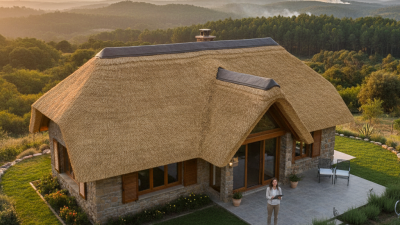
Modern buildings increasingly prioritize safety and aesthetics, pushing the demand for fireproof thatched roof solutions. Traditional thatched roofs, known for their charm, often pose fire risks. Recent studies show that fire incidents can increase property damage by over 30%. This highlights the need for innovative materials.
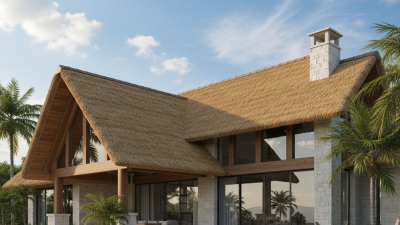
At the 2026 Canton Fair, attendees will discover various fireproof options that blend modern technology with traditional designs. Fire-resistant materials now mimic the appearance of natural thatch. Reports suggest that these advanced options achieve at least a Class B fire rating. Such materials provide peace of mind without compromising the visual appeal of buildings.
However, not all fireproof thatched solutions are created equal. Costs can vary significantly. Some products may not stand the test of time. Proper installation is crucial to enhance their effectiveness. Homeowners and builders must carefully assess both functionality and aesthetics. Striking a balance is key for enduring safety and style.
Overview of Fire Risks Associated with Traditional Thatched Roofing Materials
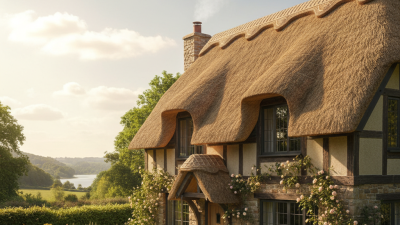
Traditional thatched roofs are charming but raise important fire risks. These roofs, made from dried plant materials, are vulnerable to sparks and flames. In a dry season, a single ember can ignite a disaster. Many homes have been lost due to thatch catching fire. This risk is a concern that cannot be ignored.
The appeal of thatched roofs often overshadows their safety drawbacks. While they provide excellent insulation, their flammability poses significant hazards. Fire safety measures are sometimes overlooked. This negligence can lead to tragic outcomes. It’s essential for builders and homeowners to consider fireproof alternatives that still capture the rustic aesthetic. Finding the right balance between beauty and safety is a challenge.
Innovative fireproofing solutions are emerging, aiming to reduce these risks. Some involve treating thatch with fire-retardant substances. Others explore composite materials that mimic the look of traditional thatch while offering better fire resistance. As the industry evolves, education on fire risks becomes increasingly vital. It’s clear that while thatch roofs are beautiful, safety should always come first.
Best Fireproof Thatch Roof Solutions at 2026 Canton Fair? - Overview of Fire Risks Associated with Traditional Thatched Roofing Materials
| Material Type |
Fire Resistance Rating |
Durability (Years) |
Maintenance Frequency |
Cost Estimate ($/sqm) |
| Traditional Thatch |
Low |
10-15 |
Annually |
25-35 |
| Synthetic Thatch |
Moderate |
25-30 |
Every 5 Years |
40-60 |
| Fireproof Treated Thatch |
High |
20-25 |
Every 3-4 Years |
50-70 |
| Metal Roof with Thatch Overlay |
Very High |
50+ |
Minimal |
80-100 |
Innovative Materials and Technologies in Fireproof Thatch Roof Solutions
As the 2026 Canton Fair approaches, the focus on innovative materials for fireproof thatch roofs is growing. Traditional thatch roofs have unique aesthetic qualities. However, they are often susceptible to fire hazards. New solutions aim to address these challenges. One emerging trend involves using modified natural fibers. These fibers are treated with fire retardants, enhancing their resistance to flames. This innovation could drastically change the landscape of thatch roofing.
Another interesting development is the application of advanced coatings. These coatings form a protective barrier over thatch, repelling fire. They are lightweight and easy to apply, making them appealing for builders. However, consistency in application remains a potential concern. Proper technique is crucial for effectiveness. Without it, the long-term performance could be compromised. It's essential to stay informed on best practices.
Additionally, exploring hybrid materials is gaining traction. Combining thatch with fire-resistant elements offers a unique solution. This method reduces risk while maintaining the roof's charm. Yet, there is still much to discover about durability and environmental impact. Innovation in this field is promising, but careful consideration is necessary to ensure safety and sustainability. The journey toward fireproof solutions is just beginning.
Key Industry Standards and Certifications for Fireproof Thatched Roofs
As the use of thatched roofs grows, fire safety becomes more critical. Fireproof thatched roofs are gaining attention at trade shows like the Canton Fair. Industry standards and certifications play a vital role in ensuring safety. Understanding these standards is essential for manufacturers and consumers alike.
Fireproofing for thatched roofs involves specific materials and techniques. Many focus on certification from recognized bodies. These certifications help verify fire resistance. Buyers should look for this assurance. It is not just about aesthetics; safety must come first. Some materials boast high resistance but may not have proper testing backing them up. This creates confusion in the market.
The application of these fireproofing methods can vary widely. Environmental factors also affect performance. Improper installation can lead to failure, even with certified materials. Constant reflection on these practices is necessary. The industry must strive for improvement. Safety is not just compliance but a commitment to quality and integrity.