Top 10 Fireproof Synthetic Thatch Tips for Global Buyers
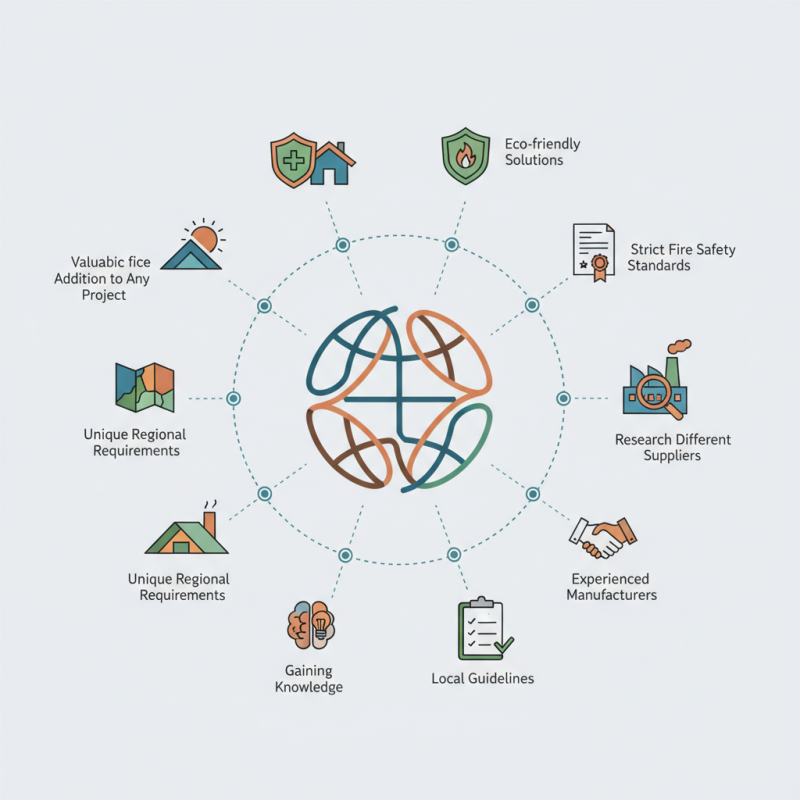
When considering Fireproof Synthetic Thatch for your project, it’s essential to understand its significance in today's global market. As eco-friendly building solutions gain traction, fireproof options are more important than ever. This type of thatch not only offers aesthetic appeal but also enhances safety. The materials used must meet strict fire safety standards to ensure reliability.
Buying Fireproof Synthetic Thatch involves more than just selecting an attractive product. It is crucial to research different suppliers to find those with a solid reputation. Look for experienced manufacturers. They should have proven expertise in creating durable, fire-resistant materials. There is a lot of misinformation in this field. Gaining knowledge can save you from costly mistakes.
Moreover, different regions have unique requirements and regulations regarding fire safety. What works well in one area may not be suitable in another. This variability requires careful consideration. Reflecting on your specific needs and local guidelines is necessary. With the right approach, Fireproof Synthetic Thatch can be a valuable addition to any project, combining safety with aesthetic value.
Understanding Fireproof Synthetic Thatch: Features and Benefits
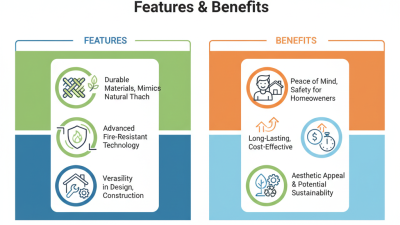
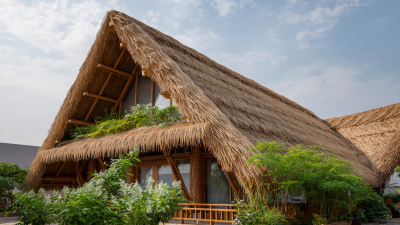
Fireproof synthetic thatch is an innovative solution for those who prioritize safety without compromising aesthetics. Unlike traditional thatch, these materials are designed to withstand high temperatures and resist fire hazards. This makes them suitable for various climates and applications, especially in fire-prone areas. Many buyers appreciate the unique look of thatch, which retains its charm while providing added safety features.
The benefits of fireproof synthetic thatch extend beyond fire resistance. It is lightweight, making it easy to install. Additionally, it offers excellent insulation properties, helping to regulate temperature. While it may mimic the appearance of natural thatch, maintenance is significantly reduced. However, some buyers may find the initial investment daunting. Understanding the long-term savings in maintenance and safety may alleviate some concerns.
In the era of climate change, choosing fireproof synthetic thatch can be a wise decision. The material is often made from recycled products, contributing to sustainability. However, buyers should consider the environmental impact of production methods. As this market grows, it's crucial to remain informed and select suppliers who prioritize quality and eco-friendliness. Verification of product specifications and certifications can help ensure a reliable purchase.
Key Factors to Consider When Choosing Fireproof Synthetic Thatch
When selecting fireproof synthetic thatch, several key factors come into play. First, the material's fire rating is crucial. A report from the National Fire Protection Association states that synthetic materials can reduce fire risks significantly if they meet specific standards. Look for products classified as Class A fire-rated to ensure maximum safety.
Another critical factor is the installation method. Proper installation can enhance the fire-resistant properties. Poorly installed thatch may lead to gaps that allow flames to spread. In a study published by the International Journal of Fire Safety, it was noted that overlapping seams and secure fastening reduce fire hazards greatly.
Consider the environmental impact as well. Some synthetic thatch options are made from recycled materials, which can lower your ecological footprint. However, not all products are equal in durability. A less resilient product may degrade faster, increasing fire risk over time.
Being aware of these factors can lead to wiser purchasing decisions. Balancing fire resistance, installation quality, and environmental concerns is essential in your choice.
Installation Tips for Optimal Performance of Synthetic Thatch
When installing synthetic thatch, proper techniques are crucial for durability and aesthetics. Research shows that well-installed synthetic thatch can last over 25 years. This longevity often relies on appropriate fastening methods and underlayment materials. Using high-quality adhesives and anchors maximizes stability, reducing the risk of wind uplift.
The angle of installation also plays a significant role. A steeper pitch aids water runoff and minimizes pooling. Reports indicate that roofs with a pitch greater than 30 degrees see a 15% decrease in mold and algae growth. However, some buyers overlook this aspect, resulting in premature wear. Monitoring local climate conditions is vital, as environments with heavy rain or snow require specific considerations.
Lastly, choose appropriate accessories like ridge caps and molding to enhance the integrity of the roof. Inadequately chosen accessories can lead to gaps and leaks, impacting overall performance. Regular maintenance checks every six months will help identify any early signs of wear. Recognizing the limitations of synthetic materials is essential; they may not be entirely immune to environmental factors. Being proactive in addressing these aspects will lead to optimal performance.
Top 10 Fireproof Synthetic Thatch Tips for Global Buyers - Installation Tips for Optimal Performance of Synthetic Thatch
| Tip Number |
Tip Description |
Benefits |
Common Mistakes to Avoid |
| 1 |
Choose High-Quality Materials |
Enhanced durability and fire resistance. |
Using cheaper alternatives. |
| 2 |
Properly Secure Installation |
Increases stability against wind and weather. |
Ignoring installation guidelines. |
| 3 |
Ensure Proper Ventilation |
Prevents moisture buildup and fire risks. |
Blocking air circulation. |
| 4 |
Select Appropriate Fasteners |
Improves attachment strength and longevity. |
Using mismatched or rusty fasteners. |
| 5 |
Regular Maintenance Checks |
Ensures prolonged lifespan and safety. |
Neglecting wear and tear. |
| 6 |
Install on Level Framework |
Reduces stress on the thatch material. |
Using uneven structures. |
| 7 |
Follow Manufacturer's Guidelines |
Optimizes product performance and warranty. |
Ignoring product instructions. |
| 8 |
Apply Fire-Resistant Coating |
Enhances fire safety of the installation. |
Skipping protective layers. |
| 9 |
Consider Local Climate Conditions |
Improves adaptation and performance. |
Ignoring environmental factors. |
| 10 |
Keep a Fire Extinguisher Nearby |
Immediate response to fire emergencies. |
Lack of emergency preparedness. |
Maintenance Best Practices for Longevity of Synthetic Thatch
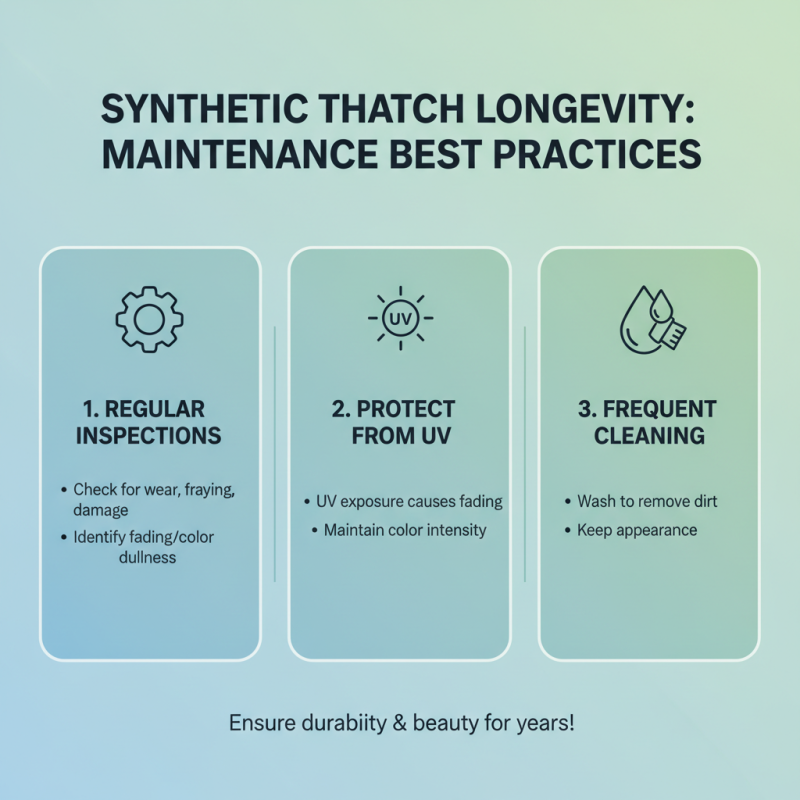
Proper maintenance is vital for ensuring the longevity of synthetic thatch. Regular inspections are necessary to identify wear and tear. Look for signs of fading, fraying, or any damage. While synthetic materials are durable, they aren’t immune to environmental factors. UV exposure can cause colors to dull over time. Frequent washing can help maintain the vibrant appearance.
Cleaning synthetic thatch is straightforward. Use a soft brush and mild soap to remove debris and dirt. Rinsing with water helps to keep it looking fresh. It's important not to use harsh chemicals that might degrade the material. Additionally, check for loose edges or sections after storms. Making timely repairs can prevent further damage.
Store the synthetic thatch properly during harsh weather conditions. If possible, cover it or move it to a sheltered area. The goal is to shield it from extreme elements. Over time, UV light can contribute to fading and deterioration. Regular care not only preserves its look but also enhances its lifespan. Even if your thatch looks good, don't neglect regular check-ups. A little effort goes a long way in maintenance.
Global Trends in Fireproof Synthetic Thatch Use and Applications
Fireproof synthetic thatch has gained popularity in various global markets due to its unique properties and applications. These materials mimic the look of traditional thatch while providing enhanced safety against fire hazards. As climate change increases the risk of wildfires, interest in fire-resistant building materials is growing. This trend is evident in regions prone to such events.
Applications of fireproof synthetic thatch can be seen in many settings. From residential homes to commercial properties, these materials offer aesthetic appeal and effective fire protection. Builders and designers appreciate the versatility of synthetic thatch roofs. However, some may overlook the importance of local climates and regulations when selecting materials. Not every synthetic product has the same level of fire resistance. It's crucial for buyers to evaluate certifications and performance standards.
Furthermore, while synthetic thatch has clear advantages, it is not without drawbacks. Sustainability concerns and lifecycle impact can be major factors. The production of synthetic materials often involves resources that raise environmental questions. Buyers must consider long-term benefits and potential trade-offs. Engaging with knowledgeable suppliers can provide deeper insights into these products.