10 Essential Tips for Choosing Synthetic Thatch Roofing for Your Home
When considering the myriad options available for roofing materials, homeowners increasingly turn their attention to synthetic thatch roofing. This innovative solution offers the aesthetic charm of traditional thatch while incorporating modern advancements in durability and maintenance. As the popularity of synthetic thatch roofing rises, understanding its features and benefits becomes essential for anyone contemplating its installation.
In this guide, we present ten essential tips that will help you make an informed decision when selecting synthetic thatch roofing for your home. From assessing the quality of materials to understanding installation processes, each tip is designed to empower you with knowledge that enhances both the visual appeal and longevity of your roofing. With the right guidance, you can transform your home’s exterior into a stunning showcase while reaping the practical rewards of synthetic thatch roofing. Adopting these tips will not only ensure a sound investment but also contribute to the overall value and comfort of your living space.
Understanding Synthetic Thatch Roofing: Overview and Benefits
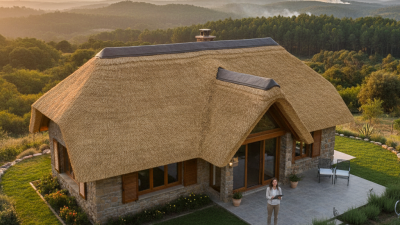
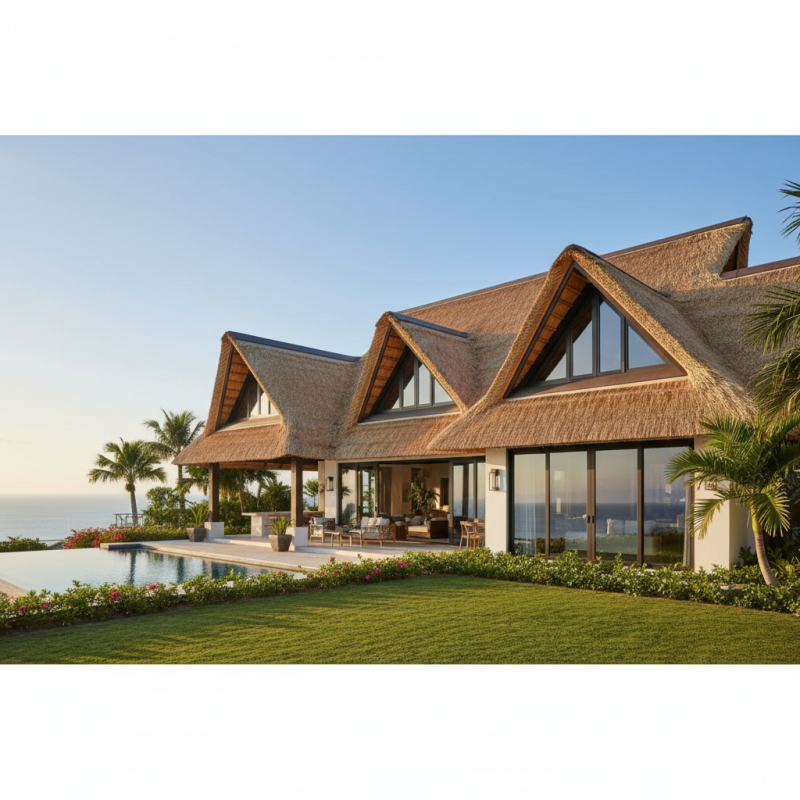
Synthetic thatch roofing is an innovative option that combines aesthetic appeal with practical benefits. Unlike traditional thatch, which can be susceptible to decay and pest issues, synthetic thatch roofing is crafted from durable materials designed to withstand various weather conditions. This roofing type not only enhances the visual charm of your home but also provides a longer lifespan and lower maintenance requirements, making it an attractive choice for homeowners seeking a blend of style and functionality.
When considering synthetic thatch roofing, it’s essential to prioritize quality and suitability for your specific climate. Look for materials that offer UV resistance to prevent fading and discoloration over time. Additionally, ensuring proper installation is crucial; hiring experienced professionals who understand the intricacies of this roofing style can significantly impact its performance and longevity.
Also, don't underestimate the importance of aesthetics. Evaluate different designs and colors to find the perfect match for your home’s architecture. Investing time in research and possibly visiting installations can provide valuable insights into how synthetic thatch integrates with various styles. With the right choices, this roofing solution can elevate your home’s curb appeal while providing lasting protection against the elements.
Key Factors to Consider When Selecting Synthetic Thatch Materials
When selecting synthetic thatch materials for your roofing, several key factors should guide your decision. First, consider the durability of the materials. Synthetic thatch roofs are designed to withstand harsh weather conditions, including heavy rains, strong winds, and extreme temperatures. Look for products that have been tested for UV resistance and impact resistance to ensure they can hold up over time without fading or deteriorating.
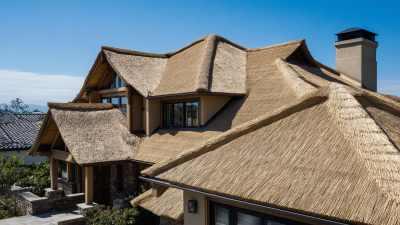
Another important factor to consider is the aesthetic appeal of the synthetic thatch. Many options on the market are available in various colors and textures that can mimic the natural look of traditional thatch. Make sure to choose materials that complement the architectural style of your home and enhance its overall appearance. Additionally, evaluate the installation process; some synthetic thatch materials can be installed more easily than others, which may save you time and labor costs. Taking these factors into account will help you make an informed choice that aligns with your home’s aesthetic and functional needs.
10 Essential Tips for Choosing Synthetic Thatch Roofing for Your Home
| Tip Number |
Factor |
Description |
| 1 |
Material Quality |
Select high-quality synthetic thatch for durability and longevity. |
| 2 |
Color Options |
Choose colors that complement your home's exterior. |
| 3 |
Weight |
Consider the weight of the roofing materials and ensure your structure can support it. |
| 4 |
UV Resistance |
Look for materials with UV resistant properties to prevent fading. |
| 5 |
Fire Rating |
Ensure the synthetic thatch has a good fire rating for safety. |
| 6 |
Warranty |
Check for a comprehensive warranty to protect your investment. |
| 7 |
Installation Requirements |
Understand the installation process to avoid additional costs or delays. |
| 8 |
Maintenance Needs |
Evaluate the maintenance required to keep the roof in good condition. |
| 9 |
Cost |
Compare prices from different suppliers to find a cost-effective option. |
| 10 |
Supplier Reputation |
Research suppliers to ensure you are choosing a reputable provider. |
Comparative Analysis: Synthetic Thatch vs. Traditional Thatch Roofing
When considering roofing options for your home, the choice between
synthetic thatch and
traditional thatch can significantly
impact both aesthetics and functionality. Traditional thatch has a long history of use, often
associated with charming cottages and rustic homes. However, it comes with challenges such as
susceptibility to pests,
high maintenance requirements, and
a shorter lifespan. In contrast, synthetic thatch
offers a modern alternative that mimics the look of natural materials while providing
enhanced durability and easier maintenance.
When opting for synthetic thatch, it's essential to consider a few key tips. First, assess the
quality of the material; premium synthetic thatch products resist fading, weathering, and pests,
making them a long-lasting investment. Second, check for product warranties and ensure that
the roofing is compliant with local building codes, which can greatly affect
installation and longevity. Lastly,
consider the installation process;
professional installation can enhance
the roof's performance and appearance, ensuring it offers the best protection for your home.
Ultimately, while traditional thatch may appeal to those looking for authenticity, synthetic
options offer advantages that include
lower maintenance and
greater reliability. Balancing these
factors will help you choose the best roofing solution tailored to your needs.
Maintenance Requirements and Longevity of Synthetic Thatch Roofing
When considering synthetic thatch roofing for your home, understanding its maintenance requirements and longevity is crucial. Synthetic thatch is designed to mimic the appearance of traditional thatch while offering enhanced durability and reduced upkeep. Generally, it requires minimal maintenance compared to natural thatch. Regular inspections to clear debris and prevent mold or mildew growth will help in preserving the roofing's aesthetic and structural integrity.
Unlike organic materials, synthetic options tend to resist pests and **weather damage** more effectively, making them a smart choice for homeowners seeking durability.
In terms of longevity, synthetic thatch roofing can last significantly longer than its natural counterparts. Most high-quality synthetic products are engineered to withstand severe weather conditions, UV rays, and temperature fluctuations, often featuring warranties that reflect their extended lifespan. With proper installation and occasional maintenance, these roofs can last upwards of 30 years, offering an efficient and reliable roofing solution. As a result, investing in synthetic thatch not only enhances the visual appeal of your home but also provides a long-lasting solution that aligns with modern-day environmental considerations.
Cost Breakdown: Investment and Potential Savings with Synthetic Thatch
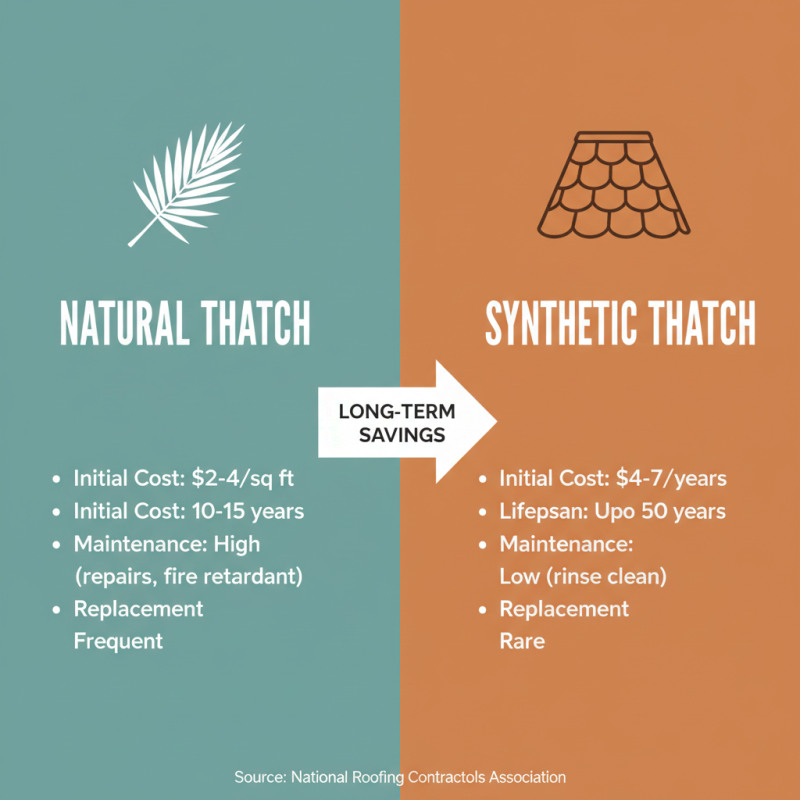
When considering synthetic thatch roofing for your home, understanding the cost factors and potential savings is essential. The initial investment for synthetic thatch typically ranges from $4 to $7 per square foot, depending on the quality and style. While this might seem higher compared to traditional thatch alternatives, it's crucial to consider the longevity and maintenance costs. Reports from the National Roofing Contractors Association indicate that synthetic materials can last up to 50 years, whereas natural thatch generally requires replacement every 10 to 15 years.
Additionally, homeowners may benefit from reduced insurance premiums due to the fire resistance and durability of synthetic thatch. The Federal Alliance for Safe Homes notes that fire-resistant roofing can lead to discounts of 5% to 15% on homeowners insurance, further amplifying the potential savings. Furthermore, the energy efficiency of synthetic roofing means lower heating and cooling costs. Industry data suggests that synthetic thatch roofs can reflect UV rays, resulting in energy savings of up to 20%. In the long run, the combination of lower maintenance, decreased insurance costs, and energy savings makes synthetic thatch roofing a financially sound investment for homeowners.