How to Choose the Right Cedar Shake Roof Tile for Your Home?
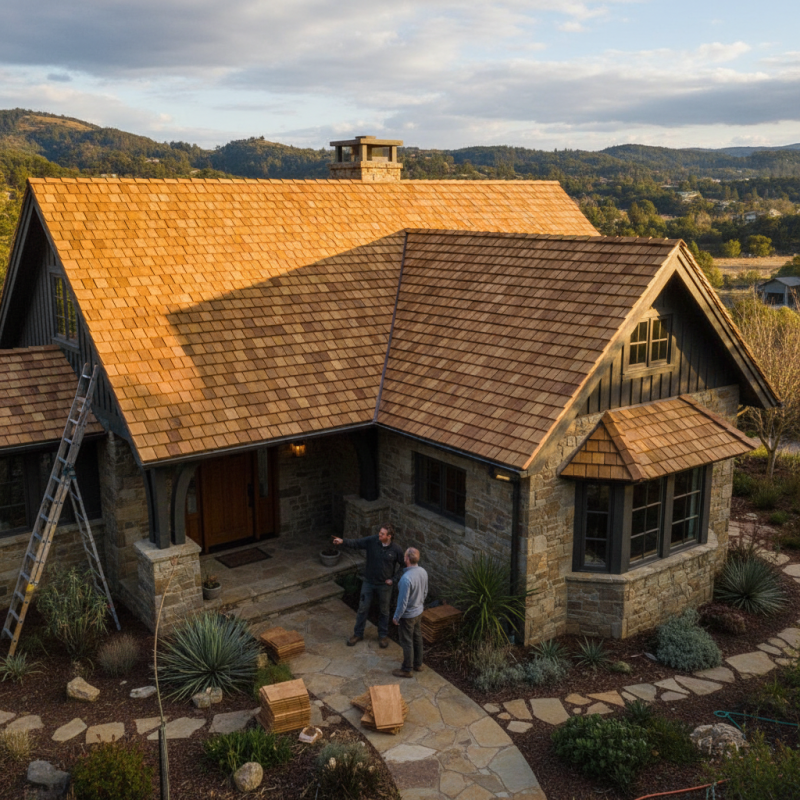
Choosing the right Cedar Shake Roof Tile for your home can be a daunting task. Experts advise homeowners to carefully consider their options. Mike Thompson, a roofing specialist from EcoRoofing, emphasizes, "The right Cedar Shake Roof Tile transforms your home’s aesthetic."
Cedar shake roofs are not only beautiful but functional too. They provide natural insulation and durability. However, not all cedar shakes are created equal. Variations in wood quality and thickness can significantly impact performance. Homeowners must reflect on their specific needs and local climate conditions when selecting tiles.
Finding the perfect match for your home may require some trial and error. You might encounter challenges or discover unexpected styles. It's important to ask questions and leverage expert advice. Ultimately, the goal is to achieve both beauty and longevity in your roofing choice.
Understanding the Benefits of Cedar Shake Roof Tiles for Homes
Cedar shake roof tiles offer various benefits for homeowners. They are visually appealing and can enhance the overall aesthetic of a home. The natural colors of cedar create warmth and charm. Many people appreciate how these tiles age beautifully, developing a unique patina over time.
One significant advantage of cedar shakes is their insulation properties. They help keep homes cool in summer and warm in winter. This can lead to savings on energy bills. However, not everyone considers the maintenance needed for cedar roofs. Regular inspections and treatments may be required to prevent rot and insect damage.
Additionally, cedar shakes are eco-friendly. They are made from a renewable resource and can be recycled. Still, sourcing sustainably is crucial. Homeowners should be cautious about where their materials come from. This ensures they are making environmentally sound choices while beautifying their homes.
Evaluating Different Types of Cedar Shake Roof Tiles Available
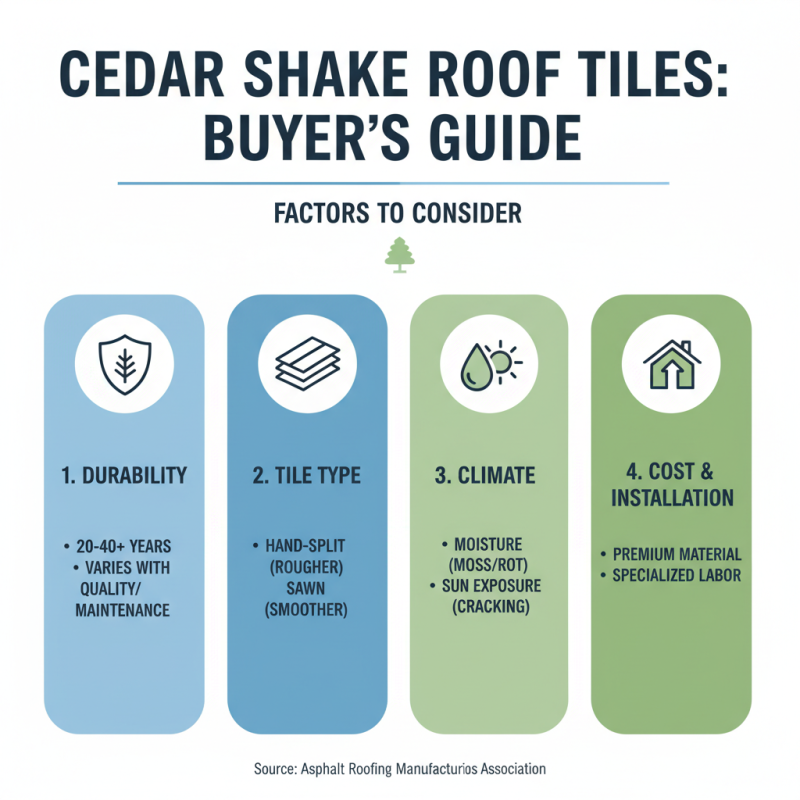
When evaluating different types of cedar shake roof tiles, several factors come into play. Cedar shakes have been popular for centuries due to their natural beauty and durability. According to the Asphalt Roofing Manufacturers Association, untreated cedar roofs can last between 20 to 40 years. However, this lifespan can vary with quality and maintenance.
Different grades of cedar shakes exist. The highest grade is “clear,” featuring minimal knots, which offers enhanced longevity and aesthetics. Lower grades may present more imperfections, impacting their durability and resistance to weather. Data from the Cedar Shake & Shingle Bureau indicates that higher grades can cost 20-30% more than their lower counterparts. This cost can reflect the tile's overall performance.
Another consideration is thickness. Thicker shakes generally provide better insulation and weather resistance. Some consumers overlook this detail, thinking all shakes perform the same. However, studies suggest that thicker shakes can reduce energy costs, as they provide greater thermal resistance. Reflecting on these choices is crucial, as failing to select the right type can lead to costly repairs down the line.
Factors to Consider When Choosing Cedar Shake Roof Colors and Styles
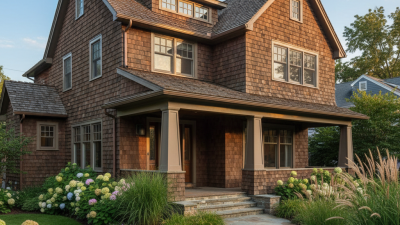
Choosing the right color and style for your cedar shake roof
can significantly impact your home’s curb appeal. Consider the surrounding environment.
A rustic home in a wooded area may benefit from deep greens or browns that blend in with nature.
Lighter shades can brighten up a house on a coastal shore. Mood plays a crucial role, too.
Warmer colors can create a welcoming atmosphere, while cooler tones may suggest tranquility.
Think about the architectural style of your home. Traditional styles often suit classic, natural cedar tones.
On the other hand, modern designs might be complemented by unique or unconventional hues. Remember,
materials age differently. Some colors fade over time, and maintenance can vary based on the finish.
You may need to refinish or repaint more frequently if you choose bright shades.
Experimenting with sample shingles can help visualize how colors look throughout the day.
It’s an essential part of this decision-making process. Don’t rush it; take your time to consider all factors.
Assessing the Durability and Longevity of Cedar Shake Roof Materials
When choosing a cedar shake roof, durability is key.
Cedar shakes can last between 20 to 40 years, depending on maintenance and climate. A study from the National Roofing Contractors Association indicates that roofs in milder climates typically last longer. UV exposure and heavy rainfall can wear down the shakes faster. In high-humidity areas, shakes may rot quicker if not properly treated.
Longevity also relies on installation quality. Properly installed cedar shakes enhance water resistance. In fact, a well-maintained roof can significantly reduce repair costs over time. Statistics show that maintenance can add up to 10 years to the lifespan of cedar roofs. Choosing treated shakes can further improve durability. However, some homeowners hesitate due to higher upfront costs.
Consider the wood's natural properties. Cedar is lightweight yet strong, making it an excellent choice for roofing. It resists warping and splitting better than other woods. However, they are not invincible. Without care, they can become brittle or susceptible to pests.
Regular inspections are crucial to identify potential problems early on. This proactive approach will save resources in the long run.
Installation and Maintenance Tips for Cedar Shake Roof Tiles
Choosing cedar shake roof tiles can be a rewarding decision for your home. However, maintenance is crucial for their longevity. Start by checking your roof annually. Look for cracked or missing tiles. This step can save you from costly repairs later.
Here are a few tips for keeping your cedar shakes in top condition. Apply a wood preservative every few years. This can help resist moisture and prevent rot. Regularly clean the roof to remove debris. Gutter maintenance is equally important. Clogged gutters can lead to water damage, damaging the shakes from underneath.
Ensure proper ventilation in the attic. Poor ventilation can cause heat buildup, which may warp the shingles. Look out for signs of mold or mildew as well. They can develop if moisture isn’t managed properly. Maintaining cedar shakes involves consistent effort and attention to detail. Regular inspections can help spot issues before they escalate.
How to Choose the Right Cedar Shake Roof Tile for Your Home? - Installation and Maintenance Tips for Cedar Shake Roof Tiles
| Category |
Description |
Tips |
| Material Quality |
Choose high-quality cedar for durability and longevity. |
Look for certifications like grade and quality indicators. |
| Style |
Select a shake style that complements your home's architecture. |
Explore options like taper-sawn or hand-split shakes. |
| Installation Method |
Proper installation is crucial for performance and aesthetics. |
Hire professionals or follow detailed guides for DIY. |
| Maintenance |
Regular inspections and treatments for longevity. |
Clean debris and apply protective coatings annually. |
| Cost |
Cedar shake roofs are typically more expensive than asphalt. |
Budget for both installation and long-term maintenance. |