How to Choose the Best Synthetic Thatch for Your Project?
Choosing the best Synthetic Thatch begins with more than comparing colors or prices. A convincing roof must also handle sunlight, rain, wind, maintenance, and daily use. Materials that look beautiful in a showroom may appear too uniform under strong coastal light. That detail is easy to miss.
Synthetic Thatch specialist Daniel Mercer explains, “The right product balances appearance, weather resistance, installation quality, and the building’s actual environment.” This practical view matters. A resort roof beside the sea faces salt, humidity, and strong ultraviolet exposure. A garden pavilion may need less protection, but its roof still requires reliable drainage and secure fixing. Small differences can affect the final result.
Start by studying the project itself. Measure the roof slope. Check the supporting structure. Consider fire-performance requirements, local weather, expected lifespan, and future repairs. Ask suppliers for technical data, sample panels, warranty conditions, and installation guidance. A sample under indoor lighting can mislead. View it outdoors, if possible.
Not every premium product is the best choice. Sometimes, a simpler profile creates a more natural appearance. Sometimes, the cheapest option becomes expensive after premature fading or difficult repairs. That is worth questioning.
This guide will compare the main Synthetic Thatch types, including their textures, colors, durability, installation methods, and maintenance needs. It will also examine common selection mistakes. The goal is not to promote one universal answer. It is to help you choose a roof that looks authentic, performs reliably, and fits the project’s real conditions.
Define Synthetic Thatch and Its Main Applications
How to Choose the Best Synthetic Thatch for Your Project?
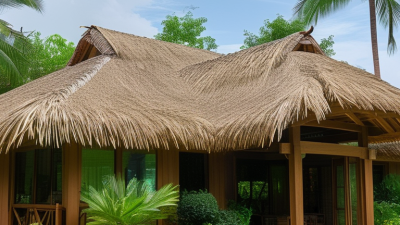
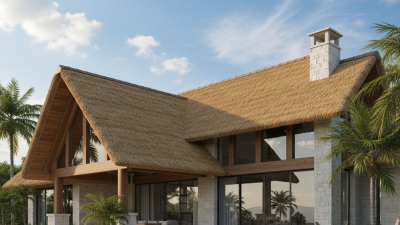
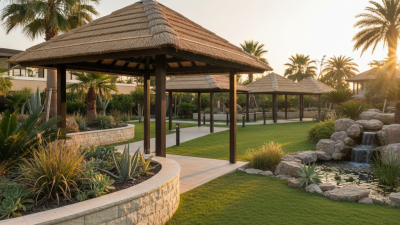
Synthetic thatch is a manufactured roofing or screening material designed to imitate natural palm, reed, or grass thatch. Common fibers include polyethylene, polypropylene, and PVC blends. UV stabilizers help reduce fading, while molded textures create uneven, layered surfaces. It is used on resort roofs, pool cabanas, outdoor restaurants, garden shelters, theme venues, and residential patios. Some projects use it indoors for ceilings, reception areas, or tropical displays. The application changes the specification.
The Freedonia Group’s roofing industry analysis identifies repair and replacement work as major demand drivers in the United States. That matters because synthetic thatch often replaces short-lived natural coverings in demanding environments. However, it is not automatically maintenance-free. Check the product’s tested fire behavior, wind resistance, UV performance, drainage design, and support system. ASTM E84 or comparable testing can help assess surface flame-spread performance, but one test does not describe every installation. Ask for test reports, not only attractive photographs.
Experience shows that texture can look excellent from three meters away, yet repetitive panels may appear artificial up close. Request a physical sample and inspect the underside, edge finish, fastening points, and color variation under direct sunlight. The International Energy Agency reports that buildings account for roughly 30% of global energy demand, so shade structures may support passive cooling strategies. Still, synthetic thatch does not replace proper ventilation or structural engineering. I would avoid choosing by appearance alone. That mistake is easy.
Evaluate Fire Safety, Durability, Maintenance, and Warranty
When choosing synthetic thatch, treat fire safety as a documented performance issue, not a visual feature. NFPA reported 1,388,500 U.S. fires and 3,670 civilian fire deaths in 2023. Ask for independent test results for the exact thatch, backing, and installation method. ASTM E84 data can indicate flame spread and smoke development, but it may not represent a complete roof assembly. Request evidence for ignition resistance, radiant heat exposure, and local code acceptance. A certificate without traceable testing deserves caution.
Durability depends on sunlight, humidity, salt air, wind, and roof pitch. ASTM G154 accelerated weathering can reveal fading or cracking, yet it does not perfectly predict outdoor service life. Inspect sample panels after severe exposure, if possible. Look for brittle fibers, loose fasteners, and water trapped beneath the layers. Maintenance should include gentle cleaning, drainage checks, and annual inspection after storms. It is easy to underestimate salt damage near the coast.
Warranty terms need careful reading. A ten-year warranty sounds strong. The exclusions may matter more. Check whether coverage includes fading, fire performance, labor, replacement access, and damage from incorrect installation. Confirm who handles claims and how quickly. Keep installation records and photographs. One practical weakness remains: warranty periods rarely equal real service life. A longer warranty is useful, but independent test evidence should carry greater weight.
Select the Best Product Based on Budget and Project Goals
How to Choose the Best Synthetic Thatch for Your Project?
Your budget should guide the decision, but it should not control every detail. Start by defining the project’s purpose, location, and expected lifespan. A garden shelter may need a different product from a busy hospitality venue. Measure the roof carefully, including edges, valleys, and difficult corners. Small errors can create unexpected installation costs. They happen often.
In project reviews, I have seen low purchase prices become expensive after repeated repairs. Compare the full cost, including underlayment, fasteners, labor, cleaning, and future replacement. Ask suppliers for technical data, installation guidance, fire-performance information, and warranty conditions. Check whether the product suits your local weather exposure. Strong sunlight, heavy rain, salt air, and snow can affect performance differently. Do not trust appearance alone.
Project goals should shape the final selection. Choose a dense, layered appearance when visual realism matters from close range. For a large commercial roof, prioritize consistent coverage, manageable weight, and efficient installation. Request physical samples before ordering. View them outdoors, beneath direct sunlight, and beside your existing structure. Color can change dramatically. I have also found that “premium” does not always mean best for every roof. A simpler option may serve a temporary display well, while a long-term installation deserves stronger documentation and better support. Reconsider the choice if maintenance access is difficult. That detail is easy to miss.
How to Choose the Best Synthetic Thatch for Your Project?
Compare typical installed cost and expected service life to match your budget with your project's durability, maintenance, and fire-safety goals.
Planning figures shown are typical industry ranges converted to midpoint values. Actual pricing and service life vary by roof design, installation method, climate, UV exposure, local codes, and maintenance. Lower-cost products may suit decorative or short-term projects, while higher-cost systems are generally better for long-term durability and demanding safety requirements.