How to Choose the Best Roof for Your Theme Park Design
When designing a theme park, the roof is often an overlooked yet critical component that can significantly influence the overall guest experience, operational efficiency, and aesthetic appeal. According to a recent industry report by the International Association of Amusement Parks and Attractions (IAAPA), well-planned architectural elements, including the roof, can enhance a park's capacity to attract visitors, with 70% of consumers indicating they are drawn to unique and visually striking designs. The theme park roof is not merely a functional necessity; it plays a pivotal role in creating thematic storytelling while providing protection against varying weather conditions that can impact visitor comfort and safety.
With the global theme park industry projected to reach $64 billion by 2024, investing in the right roofing materials and designs has become increasingly vital for park operators. Factors such as climate resilience, energy efficiency, and maintenance costs must be considered to ensure the longevity and durability of the theme park roof. As parks compete for visitor attention, integrating innovative roofing solutions that align with the overarching theme of the park can significantly enhance both guest satisfaction and operational performance, making it essential for designers and developers to prioritize this aspect in their plans.
Understanding the Importance of Roof Design in Theme Parks
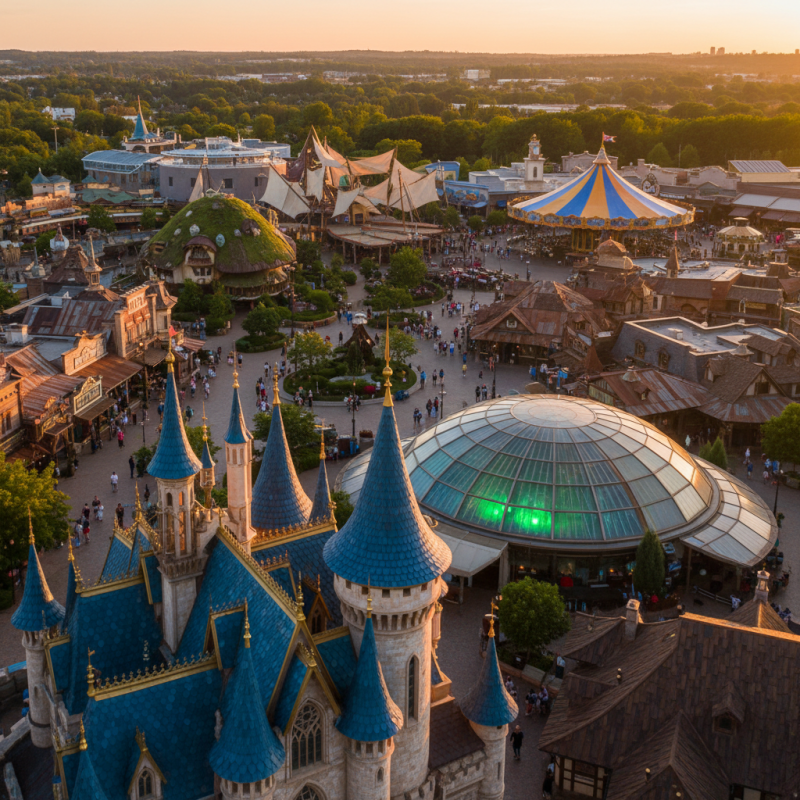
Roof design plays a crucial role in the overall experience of a theme park, influencing not only aesthetics but also guest safety and comfort. According to a report from the International Association of Amusement Parks and Attractions (IAAPA), over 70% of visitors state that the overall thematic environment significantly impacts their enjoyment. This underscores the necessity for well-considered roof designs that complement the park's theme while ensuring functionality. Roofs can provide shade, shelter, and even acoustic benefits, contributing to a more immersive experience.
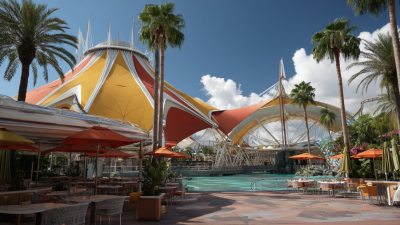
Tips for selecting the right roof include considering materials that withstand various weather conditions. For instance, fibreglass and metal roofs are popular choices in theme parks due to their durability and lightweight properties. Furthermore, integrating sustainable elements, like green roofs or solar panels, can enhance visitor perceptions of the park's commitment to environmental stewardship. Research indicates that parks employing eco-friendly design elements see a 15% increase in visitor satisfaction.
Another important factor is the architectural style of the roof. Whether it’s a whimsical design mirroring fantasy elements or a sleek contemporary look, the roof must resonate with the park's theme. Consulting with designers who specialize in theme park architecture can lead to innovative solutions that maximize both visual appeal and practical performance. Engaging in thorough planning phases with stakeholders ensures the roof design seamlessly integrates into the overall park layout, creating an inviting atmosphere for guests.
Evaluating Different Roof Materials for Durability and Aesthetics
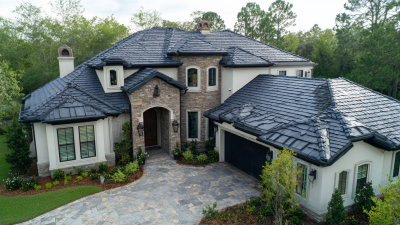
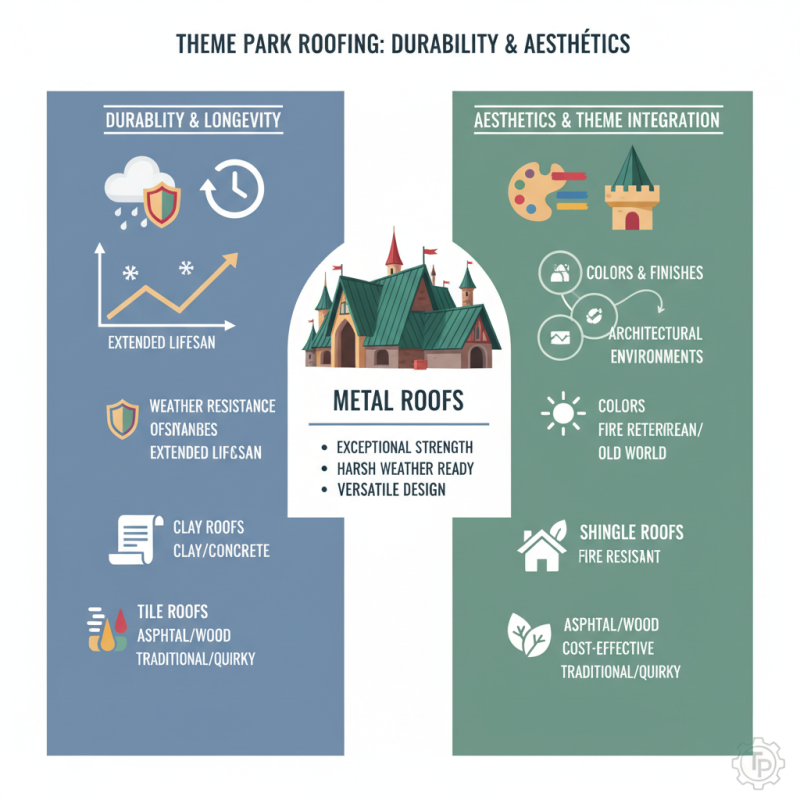
When designing a theme park, selecting the right roof material is paramount, as it must balance durability and aesthetics to create a captivating environment. One of the primary considerations in this decision is the material’s resistance to weathering and its longevity. For instance, metal roofs offer exceptional durability and can withstand harsh weather conditions, making them suitable for areas prone to heavy rain or snow. Additionally, they come in various finishes and colors, allowing designers to harmonize the roof design with the overall theme of the park.
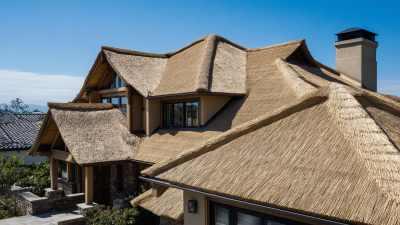
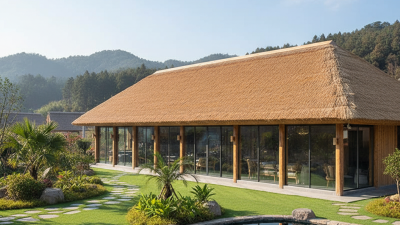
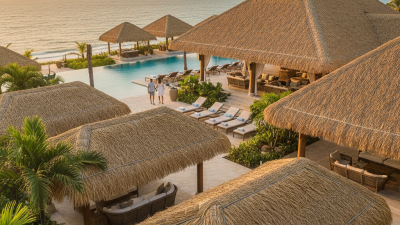
On the other hand, materials like thatch or fabric can provide a more whimsical look, aligning perfectly with certain thematic concepts. Thatch, for example, can evoke a tropical or rustic atmosphere, appealing to visitors' imaginations while offering a unique visual experience. However, designers must consider the maintenance and potential longevity of these materials since they may not endure as long as metal options. Therefore, while creating a visually appealing structure, it is crucial to weigh the trade-offs between aesthetics and the practical lifespan of the roofing material chosen, ensuring the theme park remains a vibrant and welcoming destination for years to come.
Considering Climate and Weather Factors in Roof Selection
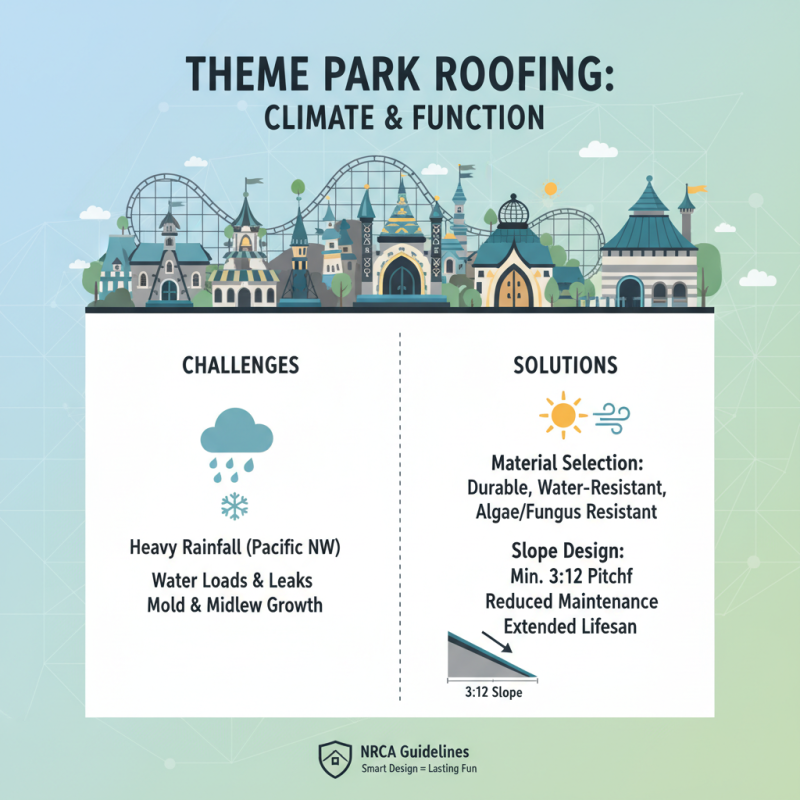
When designing a theme park, selecting the right roofing materials is crucial, particularly when considering climate and weather factors that can significantly impact both the aesthetics and functionality of the park. For instance, in areas prone to heavy rainfall, such as the Pacific Northwest of the United States, it is essential to choose roofing that can withstand substantial water load and resist mold and mildew. A study from the National Roofing Contractors Association (NRCA) indicates that roofs with slopes of at least 3:12 are ideal for efficient water runoff, which minimizes maintenance and extends the lifespan of the roofing materials.
In regions subject to extreme temperatures, either hot or cold, insulation becomes a critical factor in roof selection. According to the Cool Roofs initiative, reflective roofing materials can reduce heat absorption in sunny climates, which not only enhances visitor comfort but also lowers energy costs associated with cooling systems. Conversely, in colder climates where snow accumulation is common, roofs designed to bear the weight of snow loads while facilitating quick melting and runoff can prevent structural issues. The American Society of Civil Engineers (ASCE) recommends snow load assessments based on local meteorological data to inform these decisions accurately, ensuring the roof is both safe and efficient.
Incorporating advanced materials like polymer-modified bitumen or engineered wood products can further enhance resilience against local weather patterns. The International Code Council (ICC) emphasizes the importance of adhering to building codes tailored to regional climatic conditions, which aim to ensure both safety and sustainability for theme park structures. By prioritizing climate-specific roofing choices, designers can create structures that not only delight visitors but also stand the test of time against the elements.
Incorporating Theme and Branding into Roof Design Choices
When designing a theme park, the roof serves not only as a functional element but also as a vital component of the overall theme and branding. The choice of roofing materials, style, and color can significantly influence the park's atmosphere and the visitor experience. For instance, a whimsical, multi-colored canopy can evoke a sense of joy and wonder, aligning with the playful nature of a family-friendly attraction. In contrast, a sleek, modern roof design may be more suitable for a park focused on futuristic themes, providing a striking visual that reinforces its brand identity.
Incorporating theme and branding into roof design requires a thoughtful approach. The roof can serve as a canvas for artistic expressions that align with the park's narrative. Designers might consider using motifs, textures, or patterns that enhance the storytelling aspect of different park zones. Additionally, elements such as decorative gables or themed skylights not only improve aesthetics but also offer functional benefits, like increased natural light or improved ventilation. By ensuring the roof design reflects the overarching theme, parks can create a cohesive environment that resonates with visitors, making their experience memorable and aligned with the brand's vision.
How to Choose the Best Roof for Your Theme Park Design - Incorporating Theme and Branding into Roof Design Choices
| Roof Type |
Material |
Aesthetic Appeal |
Cost Estimate (per sq ft) |
Durability |
Thematic Compatibility |
| Thatch Roof |
Natural Grass |
Very High |
$7.00 |
5-10 years |
Fantasy Themes |
| Metal Roof |
Steel or Aluminum |
Moderate |
$4.50 |
30-50 years |
Modern Themes |
| Thatched Roof |
Reed |
High |
$6.50 |
10-15 years |
Historical Themes |
| Tiles Roof |
Clay or Concrete |
High |
$5.00 |
50+ years |
Mediterranean Themes |
| Green Roof |
Soil and Vegetation |
Very High |
$10.00 |
40-50 years |
Eco-Friendly Themes |
Balancing Functionality and Aesthetic Appeal in Roof Architecture
The design of a theme park is a complex process that goes beyond rides and attractions; it also requires careful consideration of architectural elements such as roofing. The roof plays a critical role in balancing functionality with aesthetic appeal. According to the American Institute of Architects, the roof design must withstand various environmental pressures, including wind uplift and heavy rainfall, while also complementing the thematic experience of the park. In an analysis by the National Association of Amusement Parks and Attractions, it was noted that well-designed roofs not only enhance seasonal visitor comfort but also contribute to the overall immersive experience of the theme park.
Aesthetic appeal in roof architecture can significantly influence visitor perception and satisfaction. Research from the Journal of Urban Design indicates that visually striking roofs can enhance the "wow" factor, leading to increased guest retention and attraction to the park. For example, studies indicate that venues with distinctive roofs can see a 20% boost in foot traffic, as visitors are often drawn to unique visual experiences. This connection between form and function underscores the need for careful selection of materials and designs that resonate with the park’s theme while ensuring durability and maintenance ease. By striking this balance, theme parks can create iconic structures that are not only practical but also visually compelling, inviting guests to enjoy the experience from every angle.
Roof Material Comparison for Theme Parks
This chart compares the durability of various roof materials suitable for theme park designs. Choosing the right material not only affects the longevity and maintenance costs but also plays a crucial role in the overall aesthetic and functionality of the park structures.