How to Choose Fireproof Thatch Roof for Your Property?
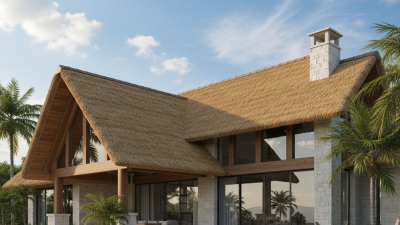
Choosing a fireproof thatch roof for your property is crucial for safety and aesthetics. According to the National Fire Protection Association (NFPA), thatched roofs can be highly flammable, increasing fire risks in certain environments. Consequently, many homeowners are seeking fireproof alternatives that blend tradition with modern safety. Bob Johnson, a respected expert in roofing materials, states, "Selecting a fireproof thatch roof allows you to enjoy the charm of thatch without compromising on safety."
Fireproof thatch roofs have become increasingly popular. They combine natural beauty with advanced fire-resistant technology. Reports show that properties with fireproof thatch roofs can reduce fire damage by up to 70%. This statistic highlights the importance of informed choices when selecting roofing materials. Thoughtful construction can mitigate risks while preserving aesthetic appeal.
However, many people remain unaware of the nuances involved. Not all fireproof thatch roofs are created equal. An honest evaluation of available products is essential. Different suppliers offer varying levels of fire resistance. Therefore, doing thorough research and consulting experts is crucial. This process may seem overwhelming. Yet, the right decision can increase both safety and the value of your property.
Understanding Fireproof Thatch Roofs: Key Features and Benefits
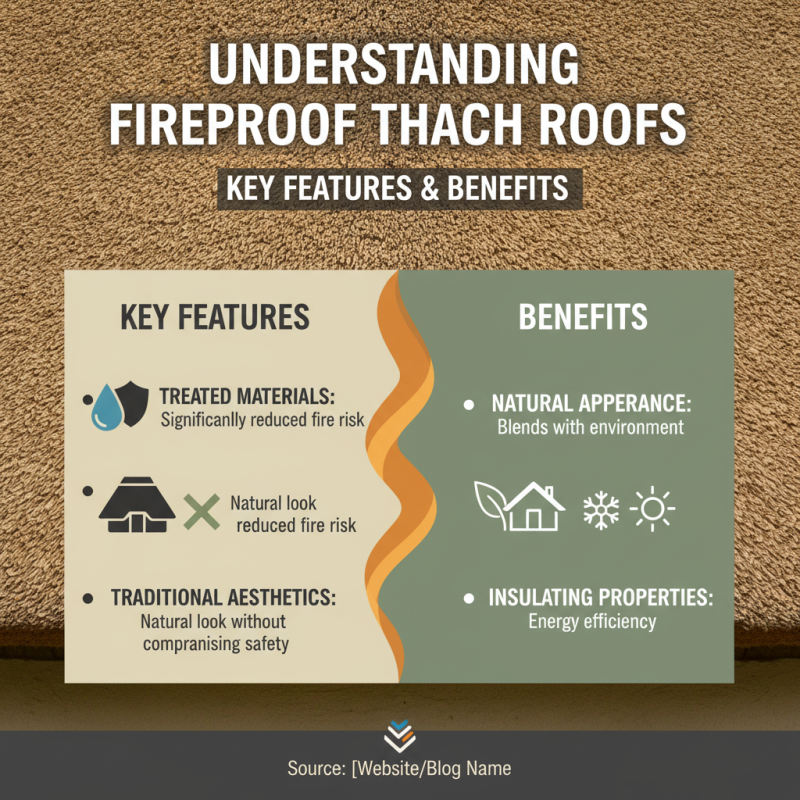
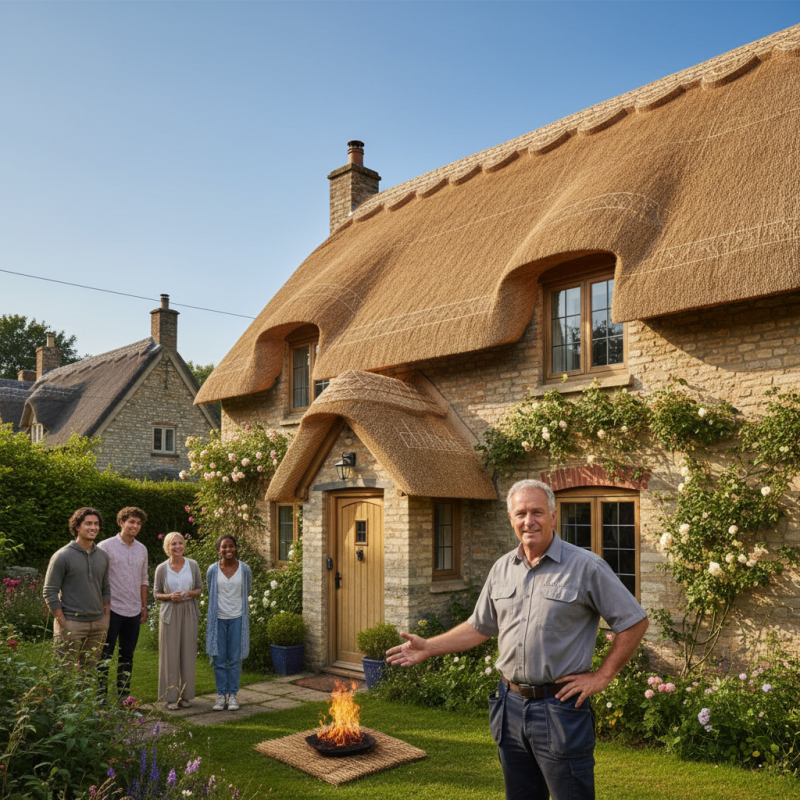
When selecting a fireproof thatch roof, understanding its key features and benefits is crucial. Fireproof thatch roofs are made from treated materials, which significantly reduce fire risks. This unique treatment allows for traditional aesthetics without compromise on safety. Many property owners appreciate thatch roofs for their natural appearance and insulating properties.
Choosing the right thatch involves considering local fire safety regulations. Always check with local authorities before installation. Inspect materials closely for certifications. Some treatments may not be as effective as others.
Fireproof thatch can withstand high temperatures and resist ignition. This adds peace of mind and long-term value to your property. However, regular maintenance is vital. Over time, natural elements can compromise the roof's fireproof qualities. Keep an eye on potential vulnerabilities. Ensure that debris does not accumulate, as it can pose a fire risk. These steps will enhance the longevity and safety of your thatch roof.
Materials Used in Fireproof Thatch Roofs: A Comprehensive Overview
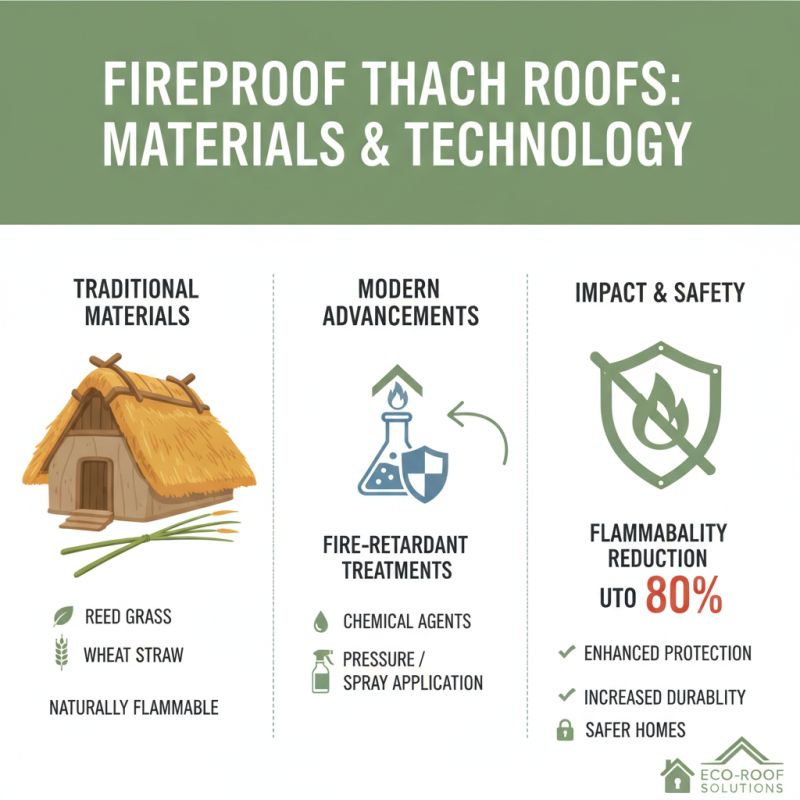
When choosing a fireproof thatch roof, understanding the materials is crucial. Fireproof thatch roofs usually combine traditional materials with modern treatments. Thatch itself can be made from various grasses like reed or straw. These natural materials are inherently flammable. However, advancements have led to the development of fire-retardant treatments. Reports indicate that roofs treated with effective fireproofing agents can reduce flammability by up to 80%.
Fire-resistant thatch roofs often incorporate innovative materials such as mineral-based composites. These composites offer enhanced durability and are less prone to combustion. In a study published by the National Fire Protection Association, it was revealed that roofs utilizing these materials can significantly lower the risk of fire spread. Their research shows that properties in fire-prone areas have a 40% lower chance of damage when using fireproof thatch roofing options.
Despite advancements in technology, some challenges remain. The effectiveness of treatment can vary based on environmental factors. Regular maintenance is essential to ensure longevity and performance of the fireproofing solutions. Homeowners must consider exfoliation or degradation over time, which could expose the underlying thatch to fire risks. While options are available, careful selection and ongoing care are key to maximizing safety and durability.
Evaluating Fire Resistance Ratings for Thatch Roofing Options
When selecting thatch roofing, evaluating fire resistance ratings is crucial. Fire-resistant thatch materials can provide enhanced safety for properties. Various types of thatch offer different levels of protection. It is important to recognize the specific fire ratings associated with each option. Knowledge of these ratings helps in making informed choices.
Consider natural and synthetic materials. Some offer better resistance to flames. For example, treatments can significantly enhance the fire performance of thatch. Understanding these treatments is essential for homeowners. It might seem straightforward, but not all thatch is created equal.
Review certifications and testing standards carefully. Seek guidance from experts in roofing materials. This step could ensure you select a roof that meets local fire safety regulations. It’s wise to engage with local fire departments for insights. They may provide valuable information on fire risks in your area. Fire safety is a shared responsibility for homeowners and builders alike. Making the right choice can potentially save lives and property.
Installation Considerations for Fireproof Thatch Roofs on Properties
When selecting a fireproof thatch roof, installation considerations are crucial for ensuring safety and durability. The National Fire Protection Association highlights that modern fireproof thatch materials can reduce fire risks by up to 75%. Proper installation ensures that the roof remains effective in protecting against fires.
Begin by assessing the local regulations regarding thatch roofs. Some areas may have specific guidelines for fireproof materials. Ensuring compliance can save costs and enhance safety. Additionally, skilled installation from certified professionals is key. A report from the International Fire Safety Standards indicates that improperly installed thatch roofs can lose their fireproofing efficiency.
Another factor to consider is ventilation. A well-ventilated roof reduces heat buildup. This minimizes fire risk substantially. Research shows that roofs lacking proper airflow can increase the chances of fire spread. Inspecting the roof regularly after installation is vital. Routine maintenance can uncover issues that may compromise the roof's fireproofing. Always reflect on how external factors, such as nearby vegetation, can impact fire safety.
Fire Resistance Ratings of Thatch Roof Materials
Maintenance Tips for Ensuring Longevity of Fireproof Thatch Roofs
Maintaining a fireproof thatch roof is vital for prolonging its lifespan. Regular inspections should occur at least twice a year. Look for signs of wear and tear, such as frayed edges or loose thatch. It’s crucial to address these issues immediately to prevent further damage.
Cleaning is equally important. Remove debris like leaves and branches that can trap moisture. Accumulated moisture can lead to mold growth. A simple brush or a gentle wash can do wonders. Yet, be careful not to use harsh chemicals; they may degrade the material.
Proper ventilation is key to preventing moisture buildup. Ensure your roof has adequate airflow. If it feels unevenly heated, it needs addressing. Some homeowners overlook this, but it can impact your roof's durability. Taking small steps can ensure your fireproof thatch roof remains a safe and attractive feature of your property.