How to Choose Fireproof Thatch Roof for Your Home?
Choosing the right roofing material is crucial for safety and sustainability. A Fireproof Thatch Roof has gained attention for its fire-resistant properties and aesthetic appeal. Thatch roofs, traditionally made from straw or reed, have evolved. Now, modern fireproof options provide a blend of tradition and innovation.
According to a report by the National Fire Protection Association, approximately 20% of residential fires are caused by roofing materials. This statistic highlights the importance of selecting a fire-resistant option. Fireproof Thatch Roofs can significantly reduce this risk. They combine natural materials with advanced fireproofing techniques, ensuring homes remain safe from potential hazards.
While the aesthetic and environmental benefits are enticing, homeowners must weigh potential challenges. Maintaining a Fireproof Thatch Roof requires regular upkeep. This includes inspections to ensure longevity. The variance in fireproofing standards can lead to confusion. Not all products labeled as fireproof offer the same level of protection. Thus, it’s essential to research thoroughly and consult with professionals. Making an informed decision protects homes effectively and meets design aspirations.
Understanding Fireproof Thatch Roofing: Benefits and Applications
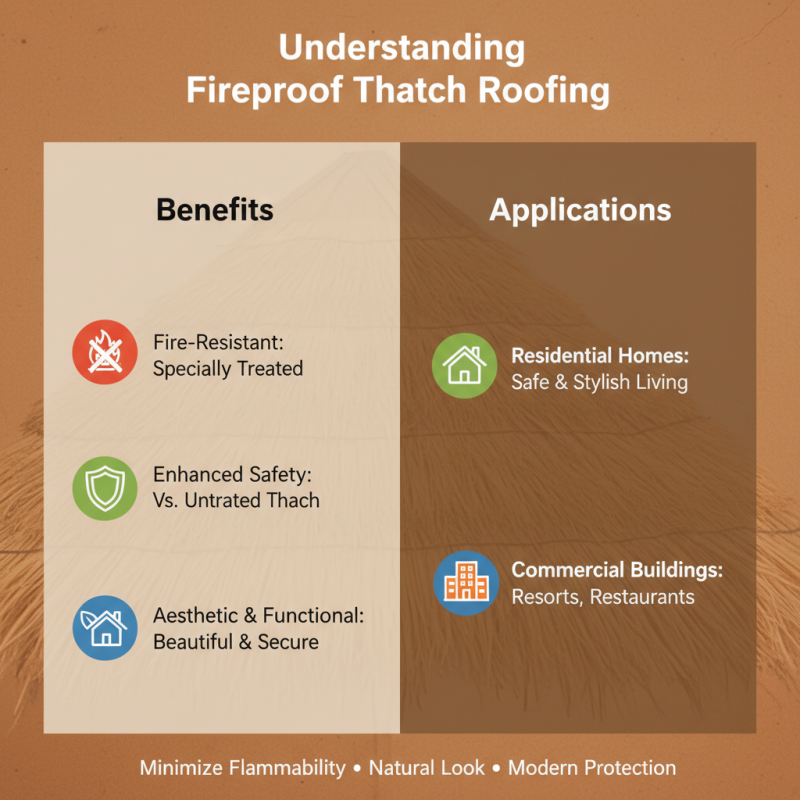
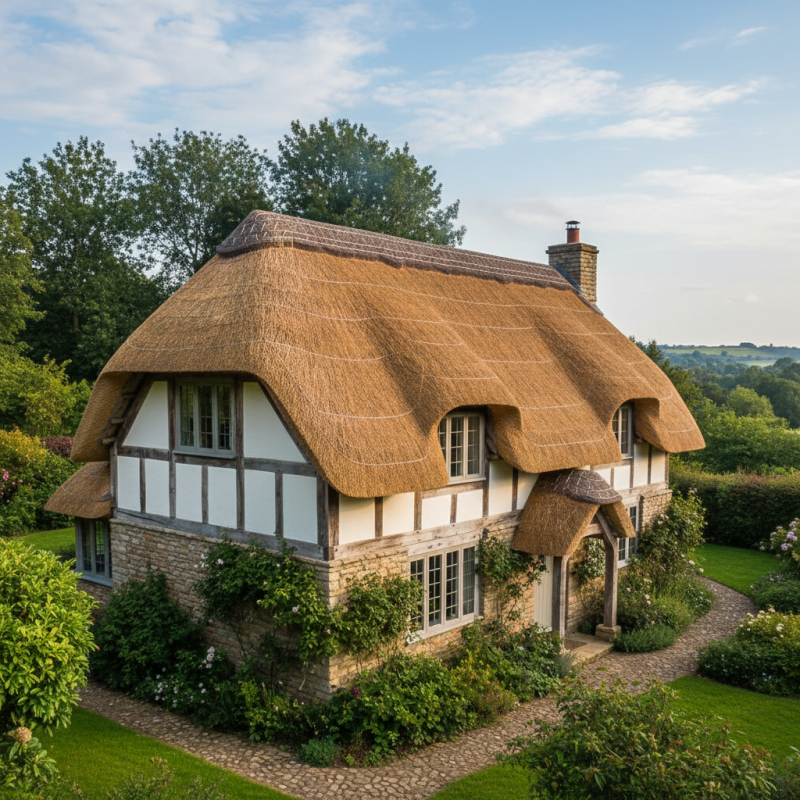
When considering fireproof thatch roofing, understanding its benefits is crucial. Fire-resistant thatch is specially treated to minimize flammability. This treatment enhances its safety compared to untreated natural materials. Many homeowners prefer this option for its aesthetic appeal and functional safety.
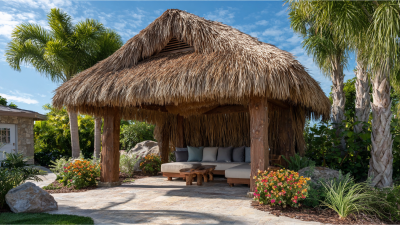
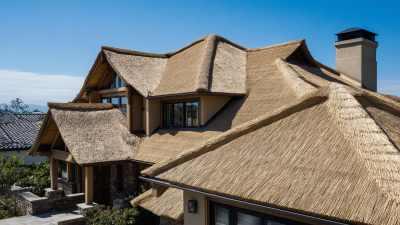
The applications of fireproof thatch roofing are diverse. From rustic cottages to modern homes, it offers versatility. It can withstand harsh weather while providing a charming look. Potential drawbacks exist, though. Some may find the initial investment high. Ongoing maintenance is vital, too; ensuring the thatch remains in good condition helps preserve its fireproof properties.
Each home is unique, and fireproof thatch may not suit every environment. Evaluating your local climate and safety regulations is essential. Reflecting on these aspects can lead to a better decision for your roofing needs. Balancing beauty and safety is key.
Key Materials Used in Fireproof Thatch Roofs: What to Look For
When choosing a fireproof thatch roof, the key materials matter significantly. Fireproof thatch often uses treated grass or fire-resistant synthetic materials. These choices ensure safety while maintaining the natural aesthetic. The right treatment process can enhance the fire-resistance of traditional thatch, turning a natural material into a safer option.
It’s essential to inspect the manufacturing process. High-quality roofs undergo rigorous testing to meet safety standards. Look for certifications that indicate the material's fire-resistant qualities. Not all thatch is created equal, and opting for lower-quality products can lead to safety risks.
Additionally, pay attention to local regulations regarding fire safety. Understanding your area’s requirements can help you select suitable materials. Engaging with local experts can provide insights into the best practices and materials available. Sometimes, what seems fireproof may not offer adequate protection. Continuous research and local advice may lead to the best choice for your home.
How to Choose Fireproof Thatch Roof for Your Home?
| Material |
Fire Resistance Rating |
Durability |
Cost (per sq. ft.) |
| Reed Thatch |
Class A |
15-20 years |
$5 - $8 |
| Straw Thatch |
Class B |
10-15 years |
$3 - $6 |
| Synthetic Thatch |
Class A |
50+ years |
$10 - $15 |
| Palm Thatch |
Class B |
25-30 years |
$8 - $12 |
Evaluating Fire Resistance Ratings for Thatch Roof Products
When selecting a fireproof thatch roof, understanding fire resistance ratings is essential. Many homeowners overlook this critical factor. Thatched roofs are traditional and charming. However, natural materials can pose fire risks if not treated properly.
Industry reports indicate that certified fire-resistant thatch products undergo rigorous testing. The standard fire resistance rating scale often ranges from Class A to Class C. Class A indicates the highest level of protection, suitable for areas prone to wildfires. According to the National Fire Protection Association (NFPA), roofs labeled as Class A can withstand severe fire exposure.
Moreover, it's important to consider the treatment methods used on thatch roofs. Some treatments can diminish the natural appeal of the material. Interactions with weather can reduce effectiveness over time. Regular inspections and maintenance are necessary to ensure the longevity of fire-resistant properties. The difference between compliance and disaster often comes down to vigilance and informed choices. Therefore, diligence in research is non-negotiable.
Installation Considerations for Fireproof Thatch Roofing Systems
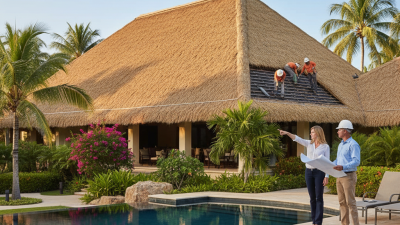
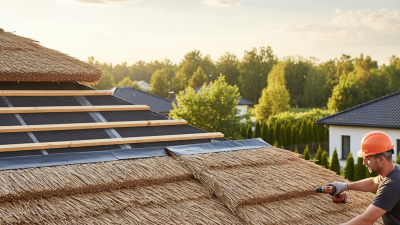
When considering fireproof thatch roofing, installation is crucial. Homeowners must focus on local building codes. Compliance ensures safety and durability. The right installation method influences the roof’s fire resistance. Pay attention to the underlying materials. A non-combustible base can enhance protection against flames.
Proper ventilation is also essential during installation. It prevents moisture accumulation, which can lead to deterioration. Thatch should not be too close to heat sources. Distance helps minimize fire risks. Homeowners might need to install heat barriers around chimneys. This reduces chances of ignition from nearby fire.
Another aspect to consider is the pitch of the roof. Steeper designs can help in fire resistance. They reduce the likelihood of embers settling. However, they may require more skill for installation. Always consult with experienced professionals. Rely on their expertise to ensure proper techniques are used. This holistic approach can lead to a safer, more durable thatch roof.
Maintenance Tips for Ensuring Longevity of Thatch Roofs
Maintaining a thatch roof requires regular attention to ensure its longevity. Start by inspecting the roof for signs of wear. Look for loose strands, sagging sections, or areas where the thatch may be thinning. These signs indicate that repairs may be necessary to prevent more significant issues.
Cleaning is essential in this process. Remove debris like leaves and branches that can hold moisture. This moisture can lead to mold growth and decay. During dry seasons, a gentle brush can help remove dust, while a garden hose can be used for rinsing. However, avoid high-pressure washing, as it may damage the thatch.
Regular treatments with fire retardant and water repellents will also aid in maintaining the roof's integrity. Check product labels for application instructions. It’s important to remember that even with care, natural materials may not last indefinitely. Reflection on the roof's condition over time is crucial in making timely decisions about repairs or replacements.