Choosing Fireproof Synthetic Thatch for your home is crucial for safety and aesthetics. Traditional thatch roofs present fire risks due to their natural materials. In fact, studies show that over 60% of thatched roofs face significant fire hazards. Fireproof Synthetic Thatch provides a safer alternative that mimics natural beauty without the associated risks.
When selecting Fireproof Synthetic Thatch, consider factors like durability, appearance, and local climate. Products differ in quality and performance. According to market research, the demand for fire-resistant roofing solutions is on the rise, indicating a shift towards safer home construction. Homeowners now prioritize safety without sacrificing aesthetics.
However, the abundance of choices can be overwhelming. Not all synthetic thatch is created equal. Some options may lack the fireproof capabilities marketed. It's essential to verify claims and seek certifications. Balancing beauty and safety often requires extra research and contemplation. Ultimately, making the right choice impacts your property's value and security.
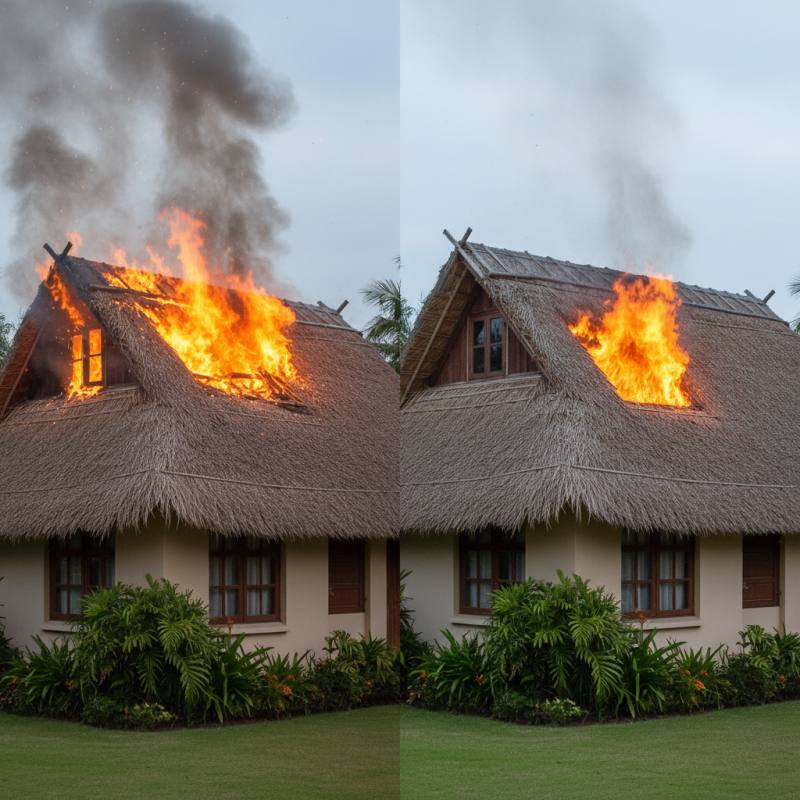
Choosing fireproof synthetic thatch for your home is essential. Fireproof materials in thatch roofing significantly reduce fire risks. Many homes in fire-prone areas can benefit from this. Fire-resistant materials can prevent flames from spreading. This is crucial for safety and peace of mind.
When selecting your synthetic thatch, consider its fire rating. Look for materials tested under rigorous conditions. A good fire rating ensures better protection. You may also want to explore options with added UV protection. This helps with durability and maintains the aesthetic appeal of thatch.
Tips: Check local building codes regarding fire safety. Fire-resistant thatches may also help in insurance claims. Consult professionals for installation advice. Not all thatch is created equal. It’s important to ask about fire resistance explicitly. Quality matters in providing real safety. Be cautious with price; sometimes, cheaper materials aren't safe.
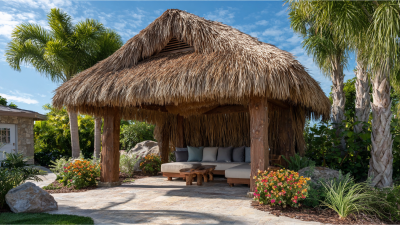
When considering fireproof synthetic thatch for your home, understanding fire resistance ratings is essential. These ratings indicate how well materials can resist fire. The most common ratings range from Class A to Class C.
Class A offers the best protection against flames. It’s important to check this rating when selecting your synthetic thatch.
Look closely at the material composition. Some synthetic thatches use recycled plastics or natural fibers treated with fire retardants. This treatment can enhance fire resistance, but it varies between products. Be aware that not all synthetics are created equal. A product may have a high fire rating but could still lack durability under harsh conditions.
Evaluate how these materials perform in real-world situations. The difference between a good and a poor choice may not be obvious at first. Aesthetic appeal matters, but safety should always come first. Consider the environment of your home. For instance, areas prone to wildfires need rigorous fire safety measures. Reflecting on these factors ensures that you make an informed decision for your living space.
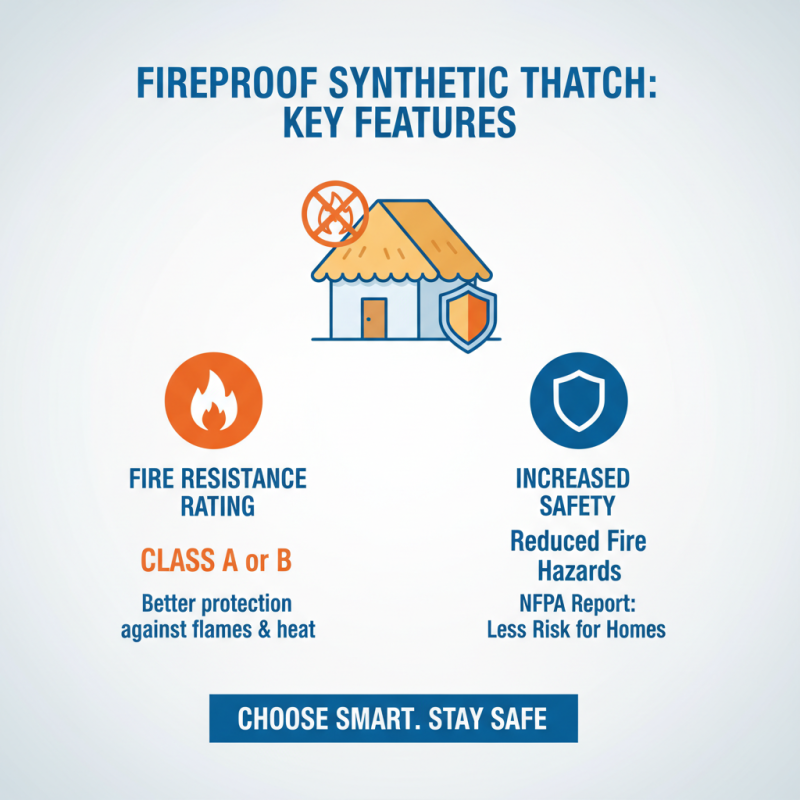
When choosing fireproof synthetic thatch for your home, consider key features essential for safety and durability. One crucial aspect is the fire resistance rating. Materials classified under Class A or B offer better protection against flames and heat. According to a report by the National Fire Protection Association, using fire-resistant materials can significantly reduce fire hazards around residential properties.
Another important feature is the UV stability of the material. Thatch that can withstand UV rays will last longer, providing value over time. Reports suggest that synthetic thatch can often outperform natural materials in this regard. Since synthetic options often include additives for increased durability, it's vital to check for these enhancements.
**Tips:** Always verify product certifications. This can affirm that the materials meet safety standards. Also, ask for samples to evaluate texture and color. Real-life comparisons can help you make an informed choice.
It's tempting to choose based solely on aesthetics. However, overlooking fire safety can be a grave mistake. Balancing appearance with function is key. Remember, quality often comes with a price. Investing in superior synthetic thatch can elevate your home's safety.
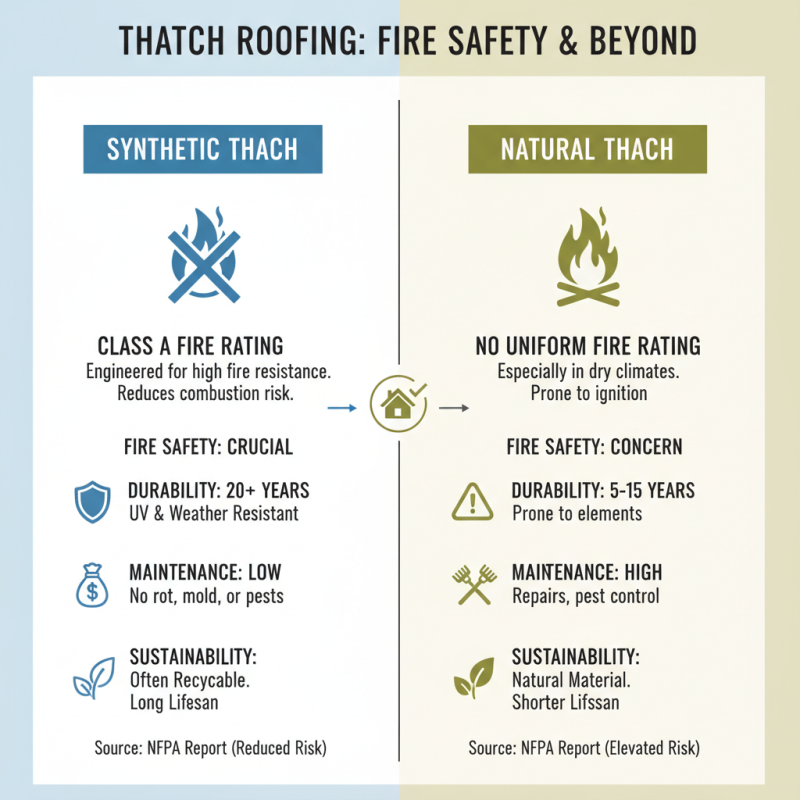
When considering the choice between fireproof synthetic thatch and traditional natural thatch, several factors come into play. Fire safety is crucial in any home design. According to a report from the National Fire Protection Association, thatch roofing can pose serious fire risks, especially in dry areas. In contrast, synthetic thatch materials are engineered to meet stringent fire-safety standards. Tests show that many synthetic options achieve Class A fire ratings, significantly reducing combustion risks.
Natural thatch, while aesthetically pleasing, can deteriorate quickly and absorb moisture, which may also increase fire risks. A study by the Roofing Contractors Association highlights that natural thatch roofs require more frequent maintenance and replacement. This can lead to higher long-term costs, not to mention the safety implications of a compromised roof. Furthermore, synthetic thatch is highly durable, often lasting over 30 years, whereas natural options may only last about 10 to 15 years with proper care.
Aesthetics and environmental impact also call for reflection. Natural thatch offers a unique charm but has ecological implications due to unsustainable harvesting practices. In contrast, synthetic materials can be produced from recycled resources, aligning with environmentally friendly building trends. However, questions remain about the long-term environmental impact of synthetic production methods. Homeowners must weigh these considerations when making their choice.
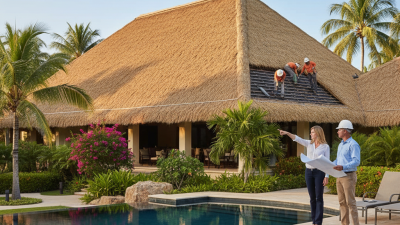
When installing fireproof synthetic thatch, attention to detail is crucial for safety. Start by ensuring the underlayment is suitable for fire-resistant materials. A non-combustible barrier can greatly enhance fire safety. Pay attention to the spacing between roofing materials. Tight seams are vital to prevent any gaps. Fire can find its way through small openings, so being meticulous is key.
Use proper fastening techniques for synthetic thatch. Secure each tile thoroughly to reduce the risk of dislodgement. Wind can create more than just aesthetic concerns; it can lead to structural vulnerabilities. Regular inspections after installation are necessary. Check for any signs of wear or damage. Addressing minor issues promptly may help avoid larger dangers later.
Lastly, think about the surrounding environment when choosing the installation site. Vegetation or combustible materials nearby can heighten risks. Take time to assess these factors before proceeding. Reflecting on these installation practices can lead to safer living spaces. Fire safety is not just about materials; it’s about thoughtful execution.