How to Choose the Best Synthetic Slate Roof Tiles for Your Home?
Choosing the right roofing material is crucial for any homeowner. Synthetic Slate Roof Tiles have gained popularity for their durability and aesthetic appeal. According to a report from IBISWorld, the synthetic roofing market has demonstrated consistent growth, averaging a 4% annual increase over the past five years. This trend highlights a shift towards sustainable and cost-effective roofing solutions.
When selecting Synthetic Slate Roof Tiles, it's essential to consider various factors. These tiles are designed to mimic natural slate but offer enhanced resilience. For instance, they often weigh less, making installation easier and reducing structural stress. However, not all products are created equal. Some may not withstand extreme weather conditions as others claim. Research and reviews are vital for informed choices.
While Synthetic Slate Roof Tiles present numerous advantages, potential buyers should approach with caution. There are varying qualities on the market. Homeowners risk choosing inferior products if they lack proper guidance. Engaging with reputable contractors and suppliers can mitigate these risks. Investing in quality roofing pays off long-term, both in aesthetics and functionality.
Understanding Synthetic Slate Roof Tiles: Key Features and Benefits
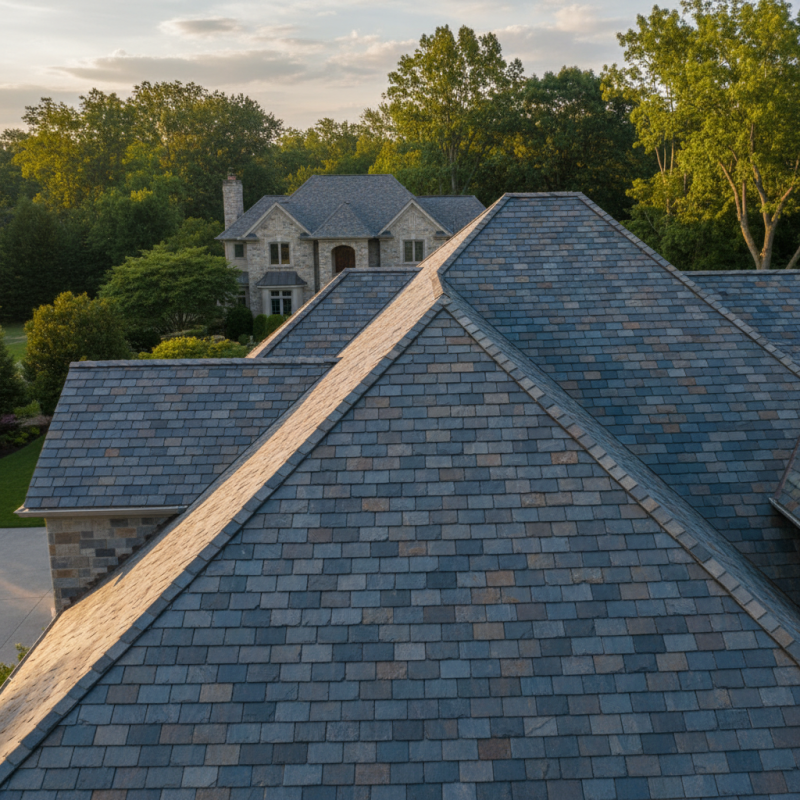
When selecting synthetic slate roof tiles, understanding their key features and benefits is essential. Synthetic slate tiles mimic the appearance of traditional slate but come with enhanced durability and versatility. They are typically lighter, which reduces structural strain and installation costs. Moreover, these tiles are resistant to fading, algae, and mold, making them an excellent choice for various climates.
Tips: Look for tiles with a high impact resistance rating. This feature ensures longevity and performance during extreme weather. It's crucial to research different manufacturers and compare warranties. Some products may promise durability, but only a solid warranty can reflect true confidence in quality.
Another benefit is their ease of installation. Many synthetic slate tiles fit together easily, allowing for quicker projects. home improvement tasks can become less stressful with simpler materials. However, it’s important to ensure that the tiles are installed correctly. Improper installation can lead to leaks and other long-term issues. Always consult with a professional if unsure.
Comparison of Key Features in Synthetic Slate Roof Tiles
Comparing Synthetic Slate Roof Tiles with Traditional Materials: A Cost Analysis
When considering synthetic slate roof tiles, a crucial point is their cost compared to traditional materials. Reports indicate that synthetic slate can save homeowners between 30% and 50% on installation costs. Traditional slate roofs often require extensive labor and specialized skill, resulting in higher expenses. A study by the National Roofing Contractors Association highlighted that homeowners can expect to pay up to $1,500 per square for natural slate. In contrast, synthetic options may range from $500 to $900 per square.
Durability is a key factor as well. While traditional slate has an average lifespan of 100 years, synthetic slate can last between 50 to 75 years. This difference affects long-term costs. Homeowners may appreciate lower maintenance needs with synthetic tiles, although some might feel uncertainty about their longevity. According to a recent analysis, environmental conditions can impact the performance of synthetic materials, causing performance variations that should be monitored.
In an age where sustainability matters, synthetic options present a compelling choice. They often contain recycled materials, offering an eco-friendly solution that traditional slate lacks. However, some reports suggest that not all synthetic products are created equal. Quality control varies significantly across manufacturers. Homeowners must research extensively to avoid inferior products that may require replacement sooner than expected.
How to Choose the Best Synthetic Slate Roof Tiles for Your Home? - Comparing Synthetic Slate Roof Tiles with Traditional Materials: A Cost Analysis
| Material Type |
Cost per Square Foot |
Lifespan (Years) |
Weight (lbs/SF) |
Maintenance Requirement |
| Synthetic Slate |
$4.00 |
50 |
1.5 |
Low |
| Traditional Slate |
$10.00 |
75 |
2.5 |
Moderate |
| Asphalt Shingles |
$3.00 |
20 |
2.0 |
High |
| Metal Roofing |
$7.00 |
50 |
1.5 |
Low |
Evaluating Durability and Longevity of Synthetic Slate Roof Tiles
When choosing synthetic slate roof tiles for your home, durability and longevity are critical factors. Synthetic slate tiles have become increasingly popular due to their lightweight composition and high resistance to various weather conditions. According to industry reports, these tiles can last up to 50 years with proper maintenance. This lifespan rivals that of traditional slate, yet they often come at a lower cost.
Consider the impact of UV exposure. Some synthetic materials can degrade when subjected to prolonged sunlight. Opt for products specifically designed to withstand UV rays, as this feature enhances durability. A study found that tiles with UV protection can prevent a 20% decrease in lifespan. Remember, your roofing also faces harsh elements like hail, rain, and snow. Ultimately, a material that can resist these factors will provide peace of mind.
Tips for selecting the right synthetic slate include assessing the warranty period offered by manufacturers. A reliable warranty reflects confidence in the product's durability. Another tip is to consult roofing professionals who have experience with synthetic tiles. Their insights can help mitigate potential risks, ensuring that the chosen material will perform to expectations. Balancing aesthetics with resilience can lead to a durable roofing decision.
Selecting the Right Synthetic Slate Roof: Color, Texture, and Style Options
Choosing the right synthetic slate roof tiles involves careful consideration of color, texture, and style. These elements can dramatically affect your home's curb appeal. According to a recent industry report, approximately 45% of homeowners prefer darker colors for their roofs, as they tend to blend well with various architectural styles. Lighter colors, however, can reflect heat and are popular in warmer climates.
Texture is equally important. Synthetic slate tiles can mimic the look of natural slate, often including a rougher finish to give a more authentic feel. Reports show that homes with textured roofs generally sell for 10-15% more than those with smoother surfaces. Choosing the right texture can significantly increase your home’s resale value.
Tip: Visit local suppliers to see sample tiles in person. This can help you visualize how different colors and textures look in natural light.
Pay attention to style as well. Some designs fit modern aesthetics, while others suit traditional homes better. A mismatch could lead to dissatisfaction later. Consider your home’s existing style and neighborhood trends.
Tip: Research local homes for inspiration. You might find unique combinations that enhance your home’s appeal. Every detail counts.
Installation Considerations for Synthetic Slate Roof Tiles: Expert Insights
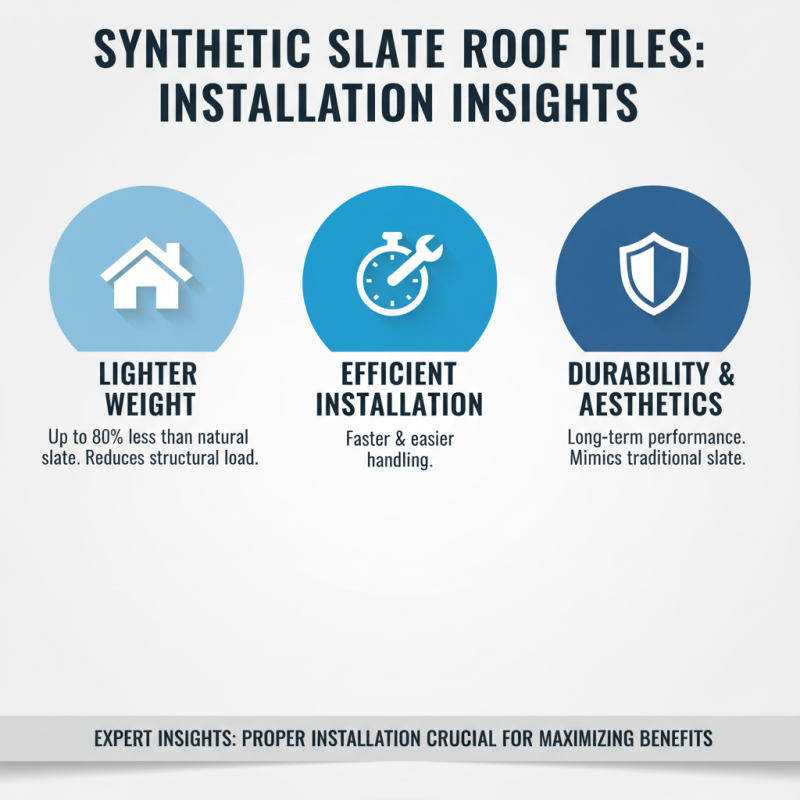
When installing synthetic slate roof tiles, several key considerations come into play. The long-term performance and aesthetic appeal are critical. Synthetic slate offers a lighter alternative to traditional slate. This can reduce the load on the structure. According to industry reports, synthetic tiles can weigh up to 80% less than natural slate. Proper installation is crucial to maximizing benefits.
The underlayment is a vital detail that is often overlooked. A quality underlayment helps prevent leaks and improves insulation. Industry data shows that improper underlayment can lead to moisture issues, costing homeowners thousands in repairs. It’s essential to choose materials that are compatible with synthetic slate tiles. Experts recommend at least a 30-pound felt underlayment for optimal performance.
Another factor is ventilation. Adequate attic ventilation helps maintain temperature control. This can prevent premature aging of synthetic materials. A well-ventilated roof can increase longevity by up to 15%. However, many installations fail to account for this, resulting in costly renovations. Evaluating ventilation needs before installation can save money in the long run.