How to Choose Rubber and Plastic Roof Tiles for Your Home?
Choosing the right roofing material is a crucial decision for homeowners. Rubber and plastic roof tiles offer durability and aesthetic appeal. John Anderson, a roofing expert, once said, "Rubber and plastic roof tiles combine functionality with style." This insight underscores the growing popularity of these materials.
Rubber and plastic roof tiles are known for their lightweight nature and resistance to weather elements. They come in various colors and styles, allowing for customization. While many homeowners appreciate their benefits, some underestimate their long-term value. It’s essential to consider installation and maintenance factors before making a final choice.
The right rubber and plastic roof tile can enhance your home’s curb appeal. However, not all tiles are created equal. Some may not provide the necessary insulation. Homeowners must do their research. Understanding the pros and cons can guide better choices and avoid regrets down the line. Choosing wisely will ensure that your roof serves you well for years to come.
Understanding the Benefits of Rubber and Plastic Roof Tiles
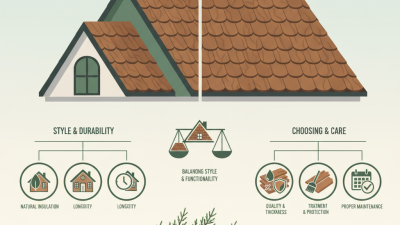
Rubber and plastic roof tiles are gaining popularity for residential roofing. They offer unique advantages that homeowners should consider. Research indicates that these materials can last up to 50 years. This longevity is appealing for those seeking durability without frequent replacements.
One significant benefit is energy efficiency. Rubber and plastic tiles reflect sunlight, reducing heat absorption. This can lead to lower energy bills. According to a study by the U.S. Department of Energy, homes with reflective roofing can save up to 23% on cooling costs. It's an effective way to maintain a comfortable indoor environment.
Tips: Consider the climate in your area when choosing. Some rubber tiles perform better in certain weather conditions. Be cautious of installation quality as it can affect performance. Lastly, explore colors and textures that complement your home's style. Your roof can be both functional and aesthetically pleasing. The decision should reflect both practicality and personal taste.
Benefits of Rubber and Plastic Roof Tiles
Assessing Your Home's Architectural Style for Tile Compatibility
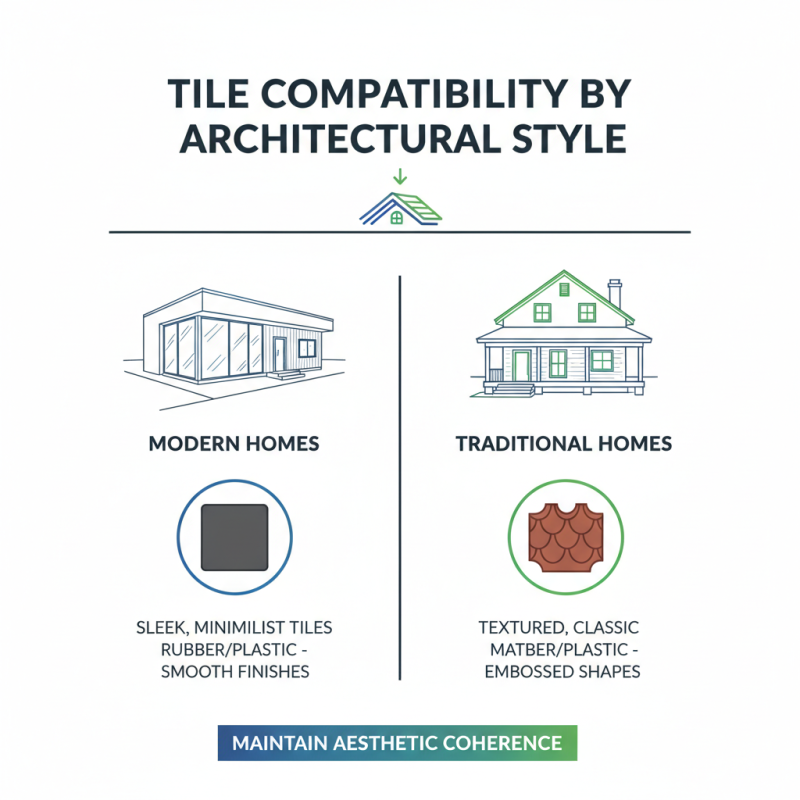
When choosing rubber and plastic roof tiles, assess your home’s architectural style. Different home designs require unique materials to maintain aesthetic coherence. For example, modern homes often suit sleek, minimalist tiles. Traditional styles benefit from textured finishes that mimic classic roofing materials.
The National Roofing Contractors Association mentions that 40% of homeowners prioritize roofing appearance. If your home features a rustic style, rubber shingles with wood-like textures can enhance the overall look. On the other hand, a contemporary structure might look best with smooth, synthetic tiles. This selection process is vital. An incompatible style can lead to a disjointed appearance.
Quality matters as well. A report by the Asphalt Roofing Manufacturers Association states that the lifespan of synthetic tiles can be up to 50 years with proper installation. However, improper choices can result in premature wear. Homeowners may overlook compatibility when focusing on durability. Often, the visual impact is just as crucial. In essence, align your tile choice with your home's character for a cohesive and visually appealing result.
Evaluating the Durability and Maintenance Needs of Roof Tiles
When considering rubber and plastic roof tiles, durability is key. These materials are often chosen for their resistance to weather and wear. They can withstand harsh sun, heavy rain, and even hail. However, not all options are created equal. Some tiles may fade or crack over time, impacting their appearance and lifespan.
Maintenance needs vary significantly between different products. Some tiles require regular cleaning to prevent mold and algae growth. Others may need occasional repairs due to fading or small dents. It’s essential to evaluate the specific maintenance requirements for each type of tile. A poorly maintained roof can lead to costly repairs down the line.
Installing these tiles can also pose challenges. A lack of experience can result in improper installation. This might lead to leaks or tiles lifting in high winds. It's worth considering whether to hire a professional. Weigh the cost against potential risks. Choosing the right tiles involves careful thought and planning, ensuring durability and ease of maintenance align with your needs.
Comparing Costs: Rubber vs. Plastic Roof Tiles
When considering roof tiles for your home, cost is a major factor.
Rubber roof tiles offer durability and a competitive initial price.
They can withstand harsh weather conditions well. However, the installation expenses may shock some homeowners.
You might find them heavier than other options, adding to labor charges.
On the other hand, plastic roof tiles often have a lower price point upfront.
They are lightweight, making installation easier and potentially cheaper. Yet, some types may lack the longevity of rubber.
Homeowners should weigh their options carefully. Do you prioritize initial savings or long-term durability?
Both materials come with pros and cons.
Rubber tiles can be a bit pricey on install, but their lifespan might justify it.
Plastic tiles are budget-friendly, yet they might require replacements sooner.
Reflecting on your needs and budget is crucial before making a decision.
Exploring Color and Texture Options for Enhanced Curb Appeal
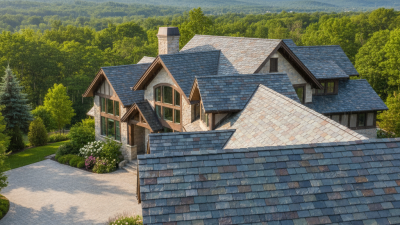
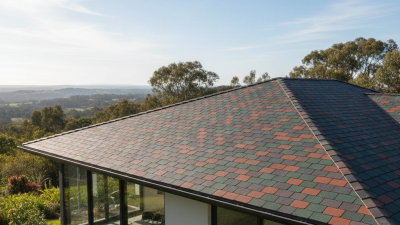
Choosing the right color and texture for rubber and plastic roof tiles can elevate your home's curb appeal remarkably. According to the Asphalt Roofing Manufacturers Association, homes with visually appealing roofs can increase property value by 15% or more. Homeowners are increasingly opting for unique textures that imitate natural materials, adding depth and character to their roofs.
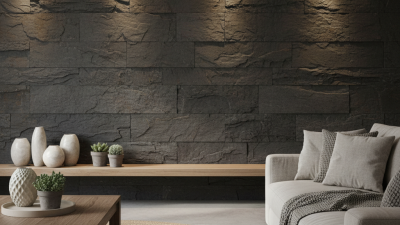
Texture plays a pivotal role in visual interest. A smooth finish may seem modern, but it can also appear less inviting. On the contrary, textured tiles mimic the look of wood or slate, creating a warm ambiance. Data from the National Association of Realtors shows that homes with varied textures are more likely to catch potential buyers' eyes. It’s essential to visualize how these choices harmonize with existing architecture and the environment. Not all colors will suit every neighborhood, and a wrongly chosen shade may clash with surrounding homes.
Color selection is equally vital. Shades like deep greens or earthy browns can blend highly with natural surroundings. Conversely, bold colors can make a striking statement. However, vibrant hues may fade over time. A study from the Roofing Institute indicates that color retention varies significantly across manufacturers. It’s crucial to review product specifications and potential fade resistance. Balancing aesthetic preferences with practical longevity presents a challenge. Ultimately, it’s important to consider the ramifications of your choices.