How to Choose the Best Plastic Synthetic Thatch for Your Outdoor Space
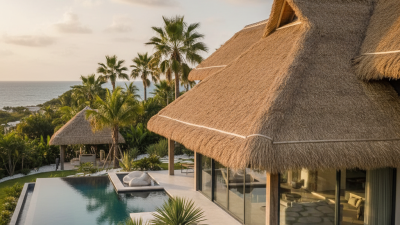
In recent years, the popularity of Plastic Synthetic Thatch has surged as homeowners and designers seek sustainable yet aesthetically pleasing solutions for outdoor spaces. According to a report by the International Thatch Association, the demand for synthetic thatch materials has increased by over 40% in the past five years, driven by advancements in manufacturing technology and a growing awareness of environmental conservation. This innovative roofing option not only provides an appealing tropical look but also offers durability and resistance to harsh weather conditions, making it an attractive choice for any outdoor setting.
Industry expert Dr. Steven Thatchwell, a renowned researcher in sustainable building materials, emphasizes the importance of selecting the right Plastic Synthetic Thatch for optimal performance. He states, "Choosing the appropriate material is crucial—not only for longevity but also for creating a harmonious blend with the surrounding environment." As consumers become more educated about their choices, understanding the various types of synthetic thatch available and their respective benefits becomes essential in making informed decisions. This guide aims to simplify the selection process, ensuring you find the best Plastic Synthetic Thatch that meets both your aesthetic desires and practical needs.

Understanding Synthetic Thatch: Materials and Benefits
Synthetic thatch has gained popularity as a practical and aesthetic solution for outdoor spaces. It is composed of materials such as polyethylene or polypropylene, designed to mimic the appearance of traditional thatching while offering enhanced durability and longevity. Unlike natural thatch, synthetic options resist fading, mold, and pests, making them well-suited for various climates and environments. This durability ensures that homeowners can enjoy the beauty of thatched roofing without the regular maintenance and replacement costs associated with natural materials.
One of the significant benefits of synthetic thatch is its versatility in design. Available in various styles, colors, and textures, it allows for customization to complement different architectural themes. Beyond aesthetics, synthetic thatch provides effective insulation, helping to regulate temperature within the outdoor space. Furthermore, installation is typically straightforward, often requiring less specialized labor than traditional thatching methods, which can save both time and money. Overall, understanding the materials and benefits of synthetic thatch is essential for making informed choices when enhancing outdoor areas.
Factors to Consider When Choosing Plastic Synthetic Thatch
When selecting plastic synthetic thatch for your outdoor space, it is essential to consider several key factors to ensure you make the right choice. One of the primary considerations is the material quality. Look for thatch made from durable, UV-resistant materials that can withstand various weather conditions. High-quality synthetic thatch will not fade, crack, or become brittle over time, ensuring that your outdoor area retains its aesthetic appeal for years.
Another important factor is the installation process. Evaluate whether the thatch you choose offers straightforward installation options or requires professional help. Some synthetic thatch products come with user-friendly installation guides, making them suitable for DIY enthusiasts. Additionally, consider the color and style of the thatch to ensure it complements the overall design of your outdoor space. Choosing various shades and textures can help create a more authentic look while providing the desired level of shading and insulation for your environment.
Evaluating Durability and Weather Resistance in Thatch Options
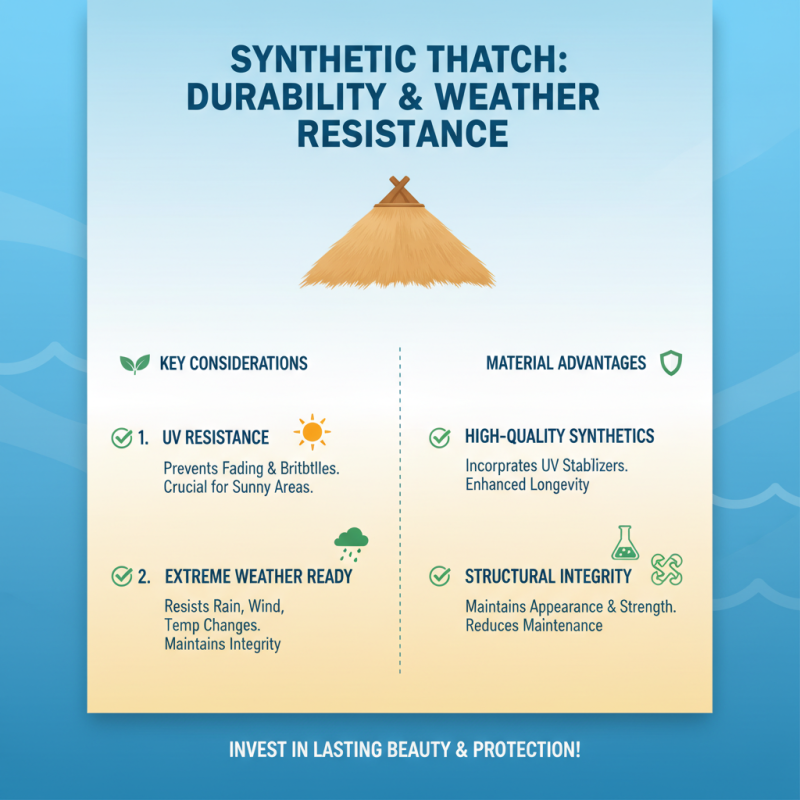
When selecting the best plastic synthetic thatch for your outdoor space, evaluating durability and weather resistance is paramount. Different synthetic thatch materials exhibit varying levels of resilience to environmental factors, such as UV rays, rain, wind, and temperature fluctuations. For instance, high-quality synthetic thatches often incorporate UV stabilizers to prevent fading and brittleness caused by prolonged sun exposure. This ensures that the thatch retains its vibrant appearance and structural integrity over time, making it crucial for areas with intense sunlight.
In addition to UV resistance, consider how well different options withstand extreme weather conditions. Products that boast water resistance will help prevent mold and mildew growth, essential for regions with high humidity or frequent rainfall. Furthermore, a robust thatch material should demonstrate wind resistance, allowing it to maintain its form and remain securely attached during storms. Choosing a synthetic thatch that combines these elements ensures that your outdoor space remains aesthetically pleasing and functional across diverse climates, providing a long-lasting solution for your landscaping needs.
Aesthetic Considerations: Color and Texture Selection for Your Space
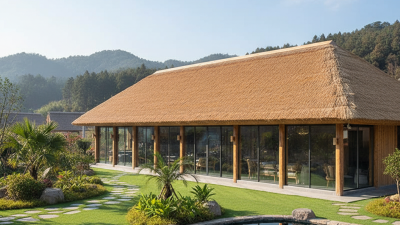
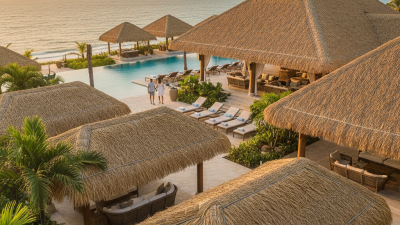
When selecting plastic synthetic thatch for your outdoor space, aesthetic considerations play a crucial role in ensuring that the installation harmonizes with the overall design of your environment. One significant factor to consider is the color of the thatch. Choosing shades that complement the hues found in your existing landscape can create a cohesive look. For instance, warmer tones may evoke a tropical ambience, while cooler shades can convey a more tranquil setting. Consider how the color of the thatch will contrast with surrounding elements such as walls, furniture, and natural vegetation to enhance the visual appeal.
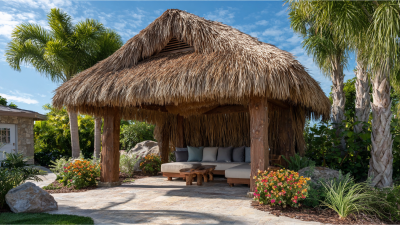
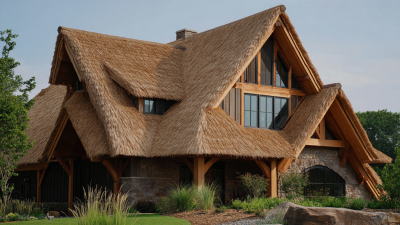
Texture is another essential aspect that impacts the aesthetic quality of your outdoor space. The subtle variations in texture among different synthetic thatches can add depth and realism to your design. Opting for a product that mimics the natural feel of traditional thatch can make your outdoor area feel inviting and authentic. When evaluating texture, consider the overall atmosphere you wish to create—smooth finishes might lend a more contemporary look, while rougher textures could evoke a rustic charm. By thoughtfully selecting both color and texture, you can transform your outdoor area into a stunning retreat that reflects your personal style.
Installation and Maintenance Tips for Synthetic Thatch Products
When installing synthetic thatch products in your outdoor spaces, proper preparation and attention to detail are essential to ensure a long-lasting and aesthetically pleasing result. Begin by assessing your roof structure or designated area, ensuring that it is sound and can support the weight of the synthetic materials. Industry reports indicate that synthetic thatch can weigh significantly less than traditional thatch; for instance, an average synthetic thatch can weigh around 3.5 pounds per square foot compared to the 10 to 20 pounds of natural thatch. This lightweight characteristic not only facilitates easier installation but also reduces strain on your framework.
During installation, it is crucial to follow manufacturer guidelines closely, as variations in the product may dictate different methods. Typically, the synthetic thatch panels should be secured using appropriate fasteners and adhesive, with a 1-2 inch overlap recommended to prevent water infiltration and ensure durability. Regular maintenance is also paramount; periodic inspections every six months can help identify any wear or displacement due to weather conditions. According to roofing industry studies, well-maintained synthetic thatch can last upwards of 25 years, significantly higher than natural alternatives, which require more frequent replacements due to degradation. Keeping the surface clean from debris and ensuring proper drainage will further extend the life of your synthetic thatch investment.
How to Choose the Best Plastic Synthetic Thatch for Your Outdoor Space - Installation and Maintenance Tips for Synthetic Thatch Products
| Feature |
Description |
Benefits |
Maintenance Tips |
| Material Quality |
High-density polyethylene (HDPE) or polypropylene |
Durability and weather resistance |
Regularly check for fading and damage |
| Color Options |
Available in various shades |
Customizable to fit your aesthetic |
Choose UV-stabilized colors to prevent fading |
| Installation Process |
Can be attached to various structures |
Easy DIY installation |
Follow manufacturer instructions for best results |
| Fire Resistance |
Fire-retardant materials |
Added safety for outdoor spaces |
Keep away from open flames |
| Cost |
Varies by manufacturer and quality |
Affordable compared to natural thatch |
Consider long-term durability for value |