What is Cedar Shingle and Why Is It Popular for Roofing and Siding
Cedar shingle has emerged as a favored choice in the roofing and siding industry, celebrated for its aesthetic appeal and superior performance. According to a report by the U.S. Forest Service, cedar is one of the most sustainable building materials available, with properties that can enhance both durability and insulation. The natural resistance of cedar wood to decay, pests, and harsh weather conditions contributes to its longevity, which can exceed 30 years with proper maintenance. This longevity, combined with the lower lifecycle costs as highlighted in studies by the National Roofing Contractors Association, underscores the economic benefits of incorporating cedar shingles into residential and commercial architecture.
Moreover, the growing consumer preference for environmentally-friendly and visually appealing materials has bolstered the popularity of cedar shingles. Recent market analyses indicate that the demand for natural materials in construction is on the rise, with cedar shingles gaining traction for their rustic charm and versatility in design. As sustainable building practices become increasingly prioritized, the role of cedar shingles in both new construction and renovation projects is likely to expand, making them a cornerstone in the future of roofing and siding solutions.
What Is Cedar Shingle and Its Composition in Roofing and Siding
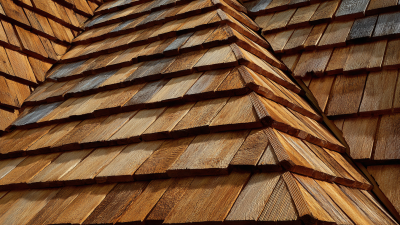
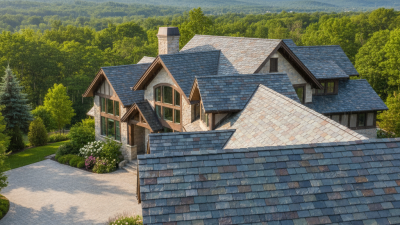
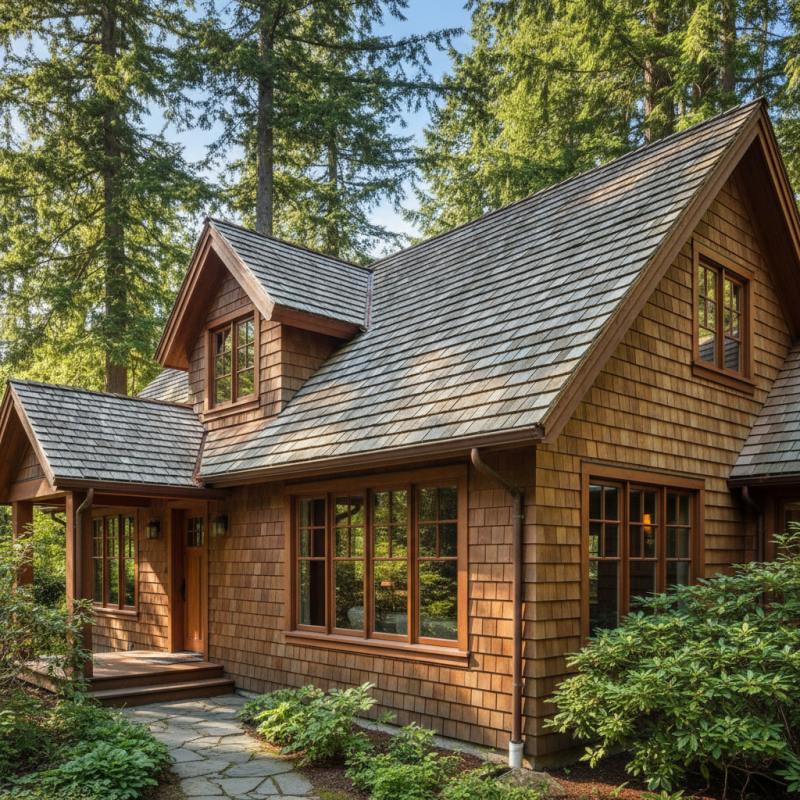
Cedar shingles are a popular choice for roofing and siding due to their natural beauty and durability. Composed primarily of Western Red Cedar or Eastern White Cedar, these shingles exhibit a fine grain and rich color that can enhance the aesthetic appeal of any home. Cedar wood is naturally resistant to moisture, decay, and insect damage, making it an ideal material for outdoor applications. The wood's inherent oils contribute to its longevity, allowing it to withstand varying weather conditions while maintaining its structural integrity over time.
In addition to their physical properties, cedar shingles are favored for their environmental benefits. Cedar trees are a renewable resource, and the production of cedar shingles typically involves sustainable forestry practices. This leaves a smaller ecological footprint compared to synthetic roofing materials. The wood also provides excellent insulation, helping to regulate indoor temperatures and reduce energy consumption. Overall, the composition of cedar shingles, from their natural materials to their energy-efficient qualities, serves to explain their lasting popularity in both roofing and siding applications.
Cedar Shingle Popularity in Roofing and Siding
This chart illustrates the factors contributing to the popularity of cedar shingles in roofing and siding. Each factor is rated on a scale from 1 to 10, with higher values indicating greater importance in the decision-making process.
Historical Significance of Cedar Shingles in Architectural Design
Cedar shingles have been a prominent feature in architectural design for centuries, celebrated not only for their aesthetic appeal but also for their durability and weather resistance. Historical records indicate that the use of cedar in construction dates back to ancient civilizations, where it was valued for its rot-resistant properties. These characteristics made cedar shingles a preferred choice for roofing and siding in various climates, particularly in North America. A report from the Cedar Shake & Shingle Bureau highlights that approximately 15% of all wood roofing materials used in new home construction are cedar, underscoring its continued relevance in modern architectural practices.
The charm of cedar shingles lies in their natural beauty and versatility, allowing them to complement various architectural styles, from rustic cabins to contemporary homes. In the early 20th century, architects began to incorporate cedar shingles into the Craftsman style, a movement characterized by its emphasis on harmony with nature and the use of natural materials. According to a study by the National Wood Flooring Association, homes featuring cedar shingles have shown to maintain higher resale values, attributed to their classical design and long-lasting quality. Furthermore, cedar's thermal properties contribute to energy efficiency, making it not only a stylish option but also a practical one in the face of increasing energy costs.
Benefits of Cedar Shingle: Durability, Insulation, and Aesthetic Appeal
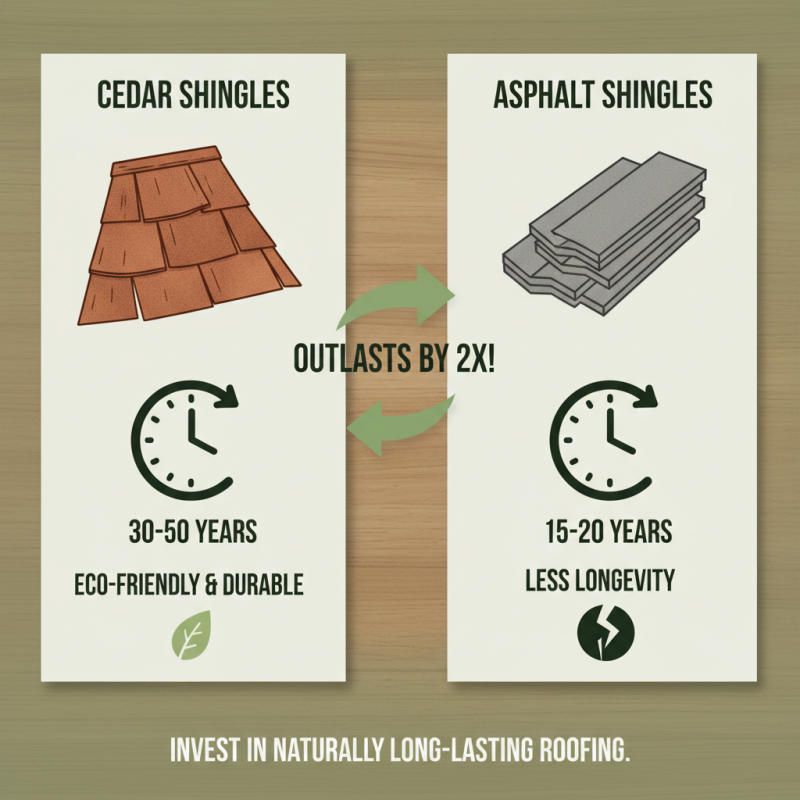
Cedar shingles have garnered significant popularity in the roofing and siding industry due to their remarkable durability, insulation properties, and aesthetic appeal. One of the most compelling benefits of cedar shingles is their longevity. According to the Cedar Shake and Shingle Bureau, well-maintained cedar roofs can last anywhere from 30 to 50 years, vastly outperforming many asphalt shingles which average around 15 to 20 years. This longevity not only reduces the frequency of replacements but also lessens environmental impact, making cedar an eco-friendly choice.
In addition to durability, cedar shingles offer exceptional insulation, providing a natural barrier to temperature fluctuations. Studies indicate that wood, particularly cedar, has a lower thermal conductivity compared to other materials, allowing for better energy efficiency in homes. This can lead to significant cost savings on heating and cooling, often cited as 10-15% lower energy bills compared to homes with less insulative siding materials. Moreover, the natural air pockets within cedar shingles contribute to a warmer home in winter and a cooler environment in summer.
Aesthetically, cedar shingles enhance a home’s character with their rich textures and colors that mature beautifully over time. According to the National Association of Home Builders, homes with natural wood exteriors are in high demand, often fetching a higher resale value than those with synthetic siding. The timeless appeal and distinctive appearance of cedar shingles make them a favored choice among homeowners seeking to increase both the beauty and market value of their properties.
Current Market Trends: Popularity and Pricing of Cedar Shingle Materials
Cedar shingles have gained immense popularity in recent years for both roofing and siding due to their natural aesthetics and durability. The current market trends reflect a growing preference for sustainable and environmentally friendly building materials, with cedar shingles at the forefront. Homeowners appreciate the rich, warm tones and unique grain patterns that cedar offers, making it an attractive choice for residential properties.
Pricing for cedar shingles can vary significantly based on factors such as quality, thickness, and treatment. As demand continues to rise, prices have seen a moderate increase, yet the investment is often justified by the longevity and low maintenance needs of cedar. Additionally, advances in treatments that enhance rot resistance and fire safety are making cedar shingles an even more appealing option for many.
Tips: When considering cedar shingles for your home, look for sustainably sourced options to ensure environmental responsibility. Regular maintenance, such as cleaning and resealing, can extend the life of your shingles and maintain their appealing appearance. Lastly, consult with a local expert to assess the best installation practices that align with your climate and home style.
Comparative Analysis: Cedar Shingle vs. Other Roofing and Siding Options
Cedar shingles have gained immense popularity in the roofing and siding markets due to their natural aesthetic appeal and durability. When compared to other roofing and siding materials, such as asphalt shingles or vinyl siding, cedar shingles stand out for their unique charm and eco-friendliness. Unlike asphalt, which may require significant energy resources in its production, cedar shingles are sourced from sustainably harvested wood, making them a preferred choice for environmentally conscious homeowners. Their natural resistance to rot and insects further enhances their longevity, providing a solid investment over time.
However, cedar shingles do come with maintenance requirements that other materials may not demand as heavily. For instance, while vinyl siding offers low-maintenance advantages and is resistant to fading, it lacks the natural beauty and texture that cedar provides. Asphalt shingles, while cost-effective, do not offer the same longevity or insulation properties as cedar. Additionally, cedar shingles tend to add more character to a home, often increasing its market value compared to homes with more conventional siding options. Ultimately, the decision between cedar shingles and alternatives hinges on a balance of aesthetics, maintenance, and long-term performance in various environmental conditions.
What is Cedar Shingle and Why Is It Popular for Roofing and Siding - Comparative Analysis: Cedar Shingle vs. Other Roofing and Siding Options
| Attribute |
Cedar Shingle |
Asphalt Shingle |
Metal Roofing |
Slate Roofing |
| Durability |
30-50 Years |
15-30 Years |
50+ Years |
75-100 Years |
| Cost (per square foot) |
$7.00 - $10.00 |
$3.00 - $5.50 |
$5.50 - $12.00 |
$10.00 - $30.00 |
| Maintenance |
Moderate |
Low |
Low |
High |
| Aesthetics |
Natural, Rustic Look |
Traditional Look |
Modern, Sleek |
Classic, Elegant |
| Environmental Impact |
Renewable Resource |
Less Sustainable |
Recyclable |
Sustainable |