What is Cedar Shingle and How is it Used in Roofing?
Cedar shingle has become a popular choice in modern roofing due to its natural aesthetics and durability. According to a report by the National Roofing Contractors Association, cedar shingles have an average lifespan of 30 years, making them a reliable option for homeowners. The environmental impact is significant as well, since cedar is a renewable resource. As noted by industry expert James Thompson, "Cedar shingles not only enhance the beauty of a home but also provide excellent insulation."
While cedar shingles offer many advantages, there are challenges to consider. Maintenance is crucial to prevent decay and ensure longevity. Regular inspections, cleaning, and treatment are necessary. Additionally, there are regional factors influencing their effectiveness, particularly in harsh climates. Homeowners must weigh these aspects carefully.
Cedar shingle roofing can transform any property. Its aesthetic appeal enhances curbside charm. Yet, potential buyers should reflect on the upkeep and costs involved. Striking a balance between beauty and practicality is essential. In an ever-evolving market, cedar shingles remain a worthwhile investment with proper care.
Cedar Shingles: An Overview of Their Composition and Characteristics
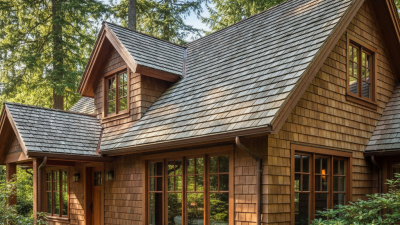
Cedar shingles are a popular choice in roofing due to their unique characteristics. These shingles are made from western red cedar or northern white cedar. They offer natural insulation and are resistant to moisture. According to the Cedar Shake and Shingle Bureau, cedar shingles can last 25 to 30 years or more with proper maintenance. This durability makes them appealing for homeowners.
The natural oils in cedar wood provide some protection against insects and rot. However, improper installation could lead to issues. If shingles are placed too closely, moisture can accumulate, leading to decay. Homeowners should be aware that the longevity of these shingles largely depends on climate and installation practices. A study indicated that locations with high humidity require more frequent inspections.
Cedar shingles also have aesthetic appeal. Their rich, warm tones add character to any home. Yet, they can fade over time. Regular maintenance, such as sealing or staining, is essential to retain their appearance. Ignoring this could result in costly repairs. Opting for cedar means balancing beauty, durability, and maintenance.
Historical Use of Cedar Shingles in Roofing Across Different Cultures
Cedar shingles have a rich history in roofing across various cultures. Native Americans initially used cedar for its durability and water resistance. They constructed longhouses with cedar shingles that lasted for many years. This tradition continues today. Some estimates suggest these shingles can last 30 to 40 years, or even longer with proper care.
In Europe, cedar shingles became prominent in the 17th century. They were a popular choice in colonial architecture. Communities understood that their natural resistance to decay made them ideal for roofs. Some historical buildings still showcase cedar’s lasting appeal. However, knowledge about maintenance is crucial.
Tips: Regularly inspect your cedar roof. Look for signs of wear or damage. Clean any debris, as it can trap moisture and lead to rot. Consider having a professional assess the shingles every few years, especially after storms. Cedar roofs require mindful upkeep to maximize their lifespan.
Advantages of Cedar Shingles in Modern Roofing Systems
Cedar shingles are a popular choice in modern roofing systems due to their numerous advantages. Their natural resistance to decay makes them ideal for varying weather conditions. Reports indicate that cedar roofs can last 30 to 50 years when maintained properly. This longevity makes them a cost-effective option over time.
One of the standout features of cedar shingles is their insulation properties. They offer excellent thermal performance, helping to regulate temperature indoors. This can reduce energy costs, making homes more eco-friendly. Additionally, cedar shingles are lightweight, which can ease the installation process and reduce structural stress on buildings.
**Tips:** Regular maintenance is key. Consider cleaning your roof annually to prevent mold and mildew buildup. Inspect shingles for damage, especially after storms. Remember, proper ventilation is essential to prolong the lifespan of your cedar roof. It’s also wise to use a breathable underlayment to enhance durability.
Despite these advantages, there are some challenges to consider. Cedar shingles can be more susceptible to fire, although treatments are available. Additionally, the initial cost might be higher than other materials. Weighing these factors is essential for homeowners planning a roofing project.
Cedar Shingles Usage and Advantages in Modern Roofing Systems
Installation Techniques and Best Practices for Cedar Shingle Roofing
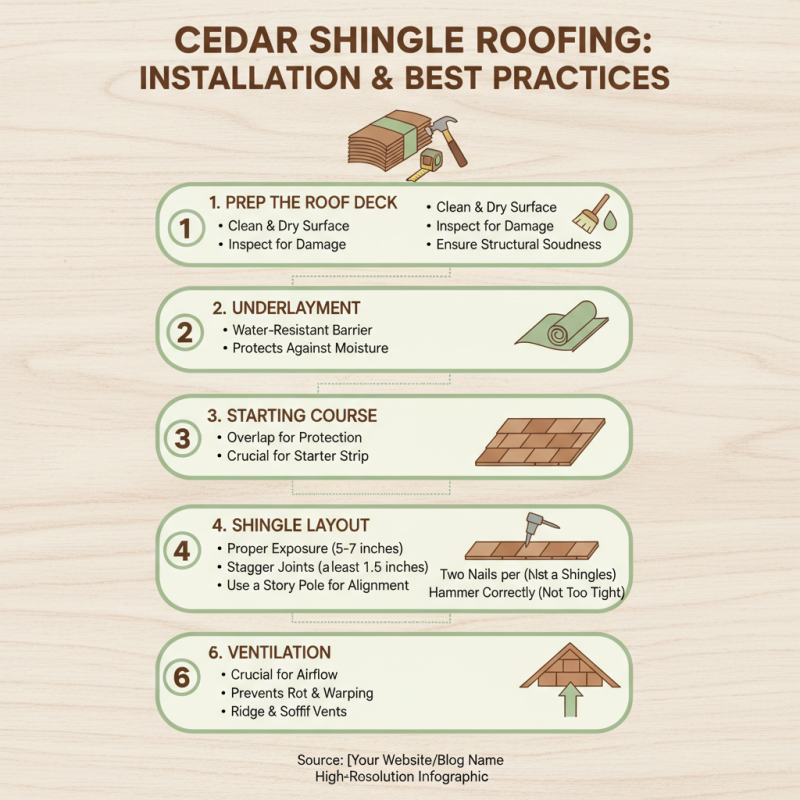
Cedar shingles offer a natural, rustic look for roofing. Installing them requires careful planning and technique. Begin by ensuring the roof deck is clean and dry. Check for any damages before laying shingles. Remember, the quality of the deck impacts longevity.
When placing the shingles, overlap them properly to create a weather-tight seal. Utilize a staggered pattern for enhanced durability. This method helps resist wind uplift. Use stainless steel nails to prevent rust and ensure a secure fit. If you’re new to this, practice with a few shingles first.
Watch for common pitfalls. Misaligned shingles can create leaks. Overlapping too much or too little may compromise protection. Keep tools handy for quick adjustments. Consider the climate as well. In hotter regions, proper ventilation is crucial. Adjust techniques according to local weather conditions for optimal results.
Maintenance and Lifespan of Cedar Shingles in Roofing Applications
Cedar shingles are a popular choice for roofing due to their natural beauty and durability. However, like any roofing material, they require regular maintenance to ensure longevity. Regular inspections are essential. Look for signs of wear or damage, such as cracks or moss growth. Cleaning the shingles can help prevent deterioration. In addition, applying a sealant every few years can enhance their lifespan.
The average lifespan of cedar shingles ranges from 20 to 40 years. This depends largely on environmental conditions. Areas with high humidity or extreme temperatures can shorten their lifespan. Sun exposure can cause the wood to dry out and become brittle. Proper ventilation in the attic is also crucial. It helps regulate temperature and moisture, reducing the risk of damage.
Not everyone realizes that cedar shingles can be prone to insect infestation. Termites and woodpeckers often target them, leading to weaknesses. Homeowners need to be vigilant. Despite the initial investment, the aesthetic and functional benefits are worth considering. Regular upkeep and awareness can ensure that cedar shingles remain an attractive roofing option for years to come.
What is Cedar Shingle and How is it Used in Roofing? - Maintenance and Lifespan of Cedar Shingles in Roofing Applications
| Feature |
Details |
| Material |
Cedar wood, typically Western Red Cedar or Eastern White Cedar |
| Lifespan |
30 to 50 years, depending on maintenance and climate |
| Maintenance |
Regular cleaning and staining every 3 to 7 years |
| Cost |
$5 to $10 per square foot installed |
| Insulation |
Good natural insulator; helps regulate indoor temperature |
| Fire Resistance |
Naturally resistant to fire but may require treatment for better protection |
| Environmental Impact |
Renewable resource, biodegradable, and sustainable if sourced responsibly |