Leave Your Message
Please agree to this agreement

What Are the Best Theme Park Roof Decoration Ideas?

A Theme Park Roof Decoration can turn an overlooked surface into part of the guest experience. From a castle’s copper-toned turrets to bright canopies above a family ride, roof details help establish a park’s visual story. Walt Disney famously said, “Disneyland will never be completed. It will continue to grow as long as there is imagination left in the world.” That idea suits roof design: decoration should support a living, evolving place, not merely look impressive in a photograph.

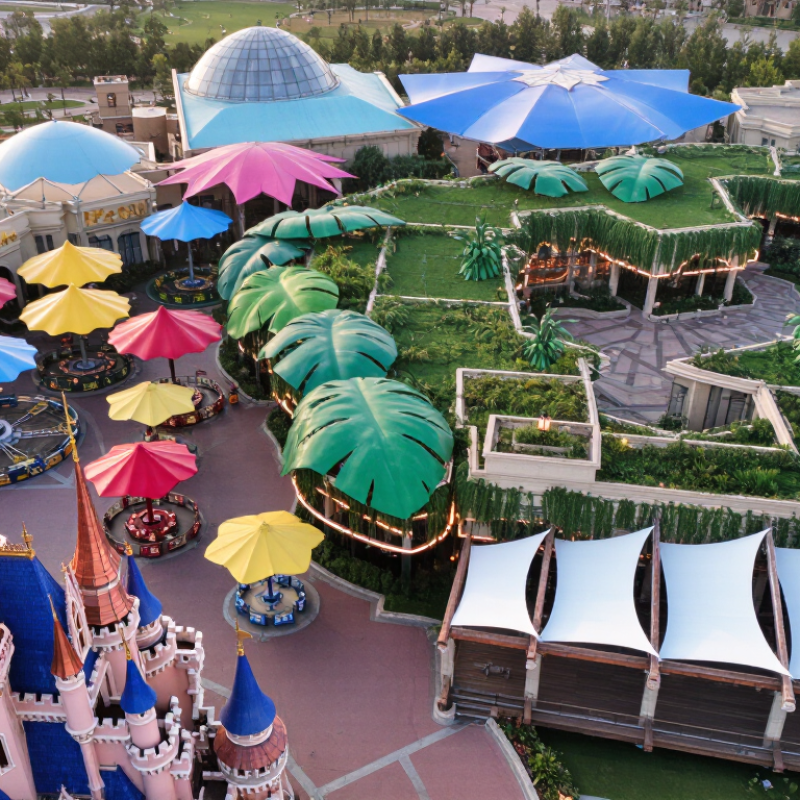
The strongest concepts connect with the attraction below. A jungle-themed ride might use layered, leaf-like forms, while a waterfront restaurant could echo sails and weathered timber. Color, silhouette, lighting, and sightlines all matter. So does practical care. Roof finishes face sun, rain, wind, and regular maintenance, and intricate features can become costly or difficult to inspect. A beautiful detail must work from the ground, too.

Small details matter. But taste differs. This guide explores imaginative roof decoration ideas, from playful shapes and themed facades to planted elements and subtle illumination. It also considers durability, visibility, and how each choice fits the wider park. Not every idea will suit every site; that is worth admitting. A roof can enrich a theme, yet clutter it when decoration overwhelms the architecture. The best approach balances visual delight with reliable materials, clear design intent, and honest maintenance planning.
What Are the Best Theme Park Roof Decoration Ideas?

Understanding the Role of Roof Decorations in Theme Parks

Roof decorations do more than make a park look distinctive. They establish scale, signal different lands, and help visitors recognize entrances from a distance. A striped canopy over a queue, for example, can create shade while marking where a ride begins. Useful design, not just spectacle.

Crowds make that role practical. The 2023 TEA/AECOM Theme Index reported 198.7 million visits across the world’s 25 most-attended theme parks. With heavy foot traffic, clear roof silhouettes can help visitors orient themselves above busy paths. But decoration should not compete with signs or obscure sightlines. A dramatic tower may photograph well and still confuse a first-time guest.

Comfort matters, too. The U.S. Department of Energy’s cool-roof guidance reports that reflective roofs can stay up to 50°F cooler than conventional roofs in similar conditions. That figure supports choosing finishes with heat in mind, especially over queues and outdoor dining areas. Materials also need to suit local weather and maintenance routines. Bright colors fade. Metal details can glare. I have seen attractive concepts lose impact when their upkeep was overlooked. Test samples in direct sun, and check how the roof looks from both the path and the queue.
What Are the Best Theme Park Roof Decoration Ideas?

Illustrative planning ratings (1–5) for common roof-decoration approaches. Ratings are comparative design judgments, not measured industry data.

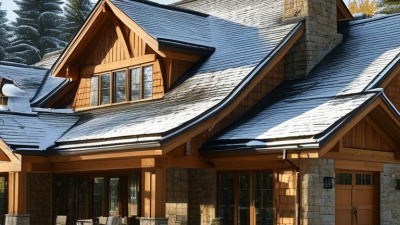
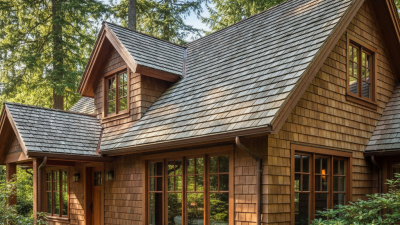
Sculptural silhouettes can create a strong themed identity, while integrated lighting helps roofs remain visually engaging after dark. Final choices should account for local weather, maintenance, accessibility, and fire-safety requirements.

Assessing Roof Structure, Climate, and Safety Requirements

A roof decoration should begin with the structure, not the sketch. Check the roof type, support spacing, existing equipment, and documented load capacity before choosing hanging lanterns, lightweight canopies, or sculptural panels. Even a small feature can create extra stress when wind catches it. Keep it light. Have a qualified structural professional review attachment points and loads, especially on older roofs or structures with limited records. A neat drawing is not proof that a roof can carry the design.

Climate shapes both appearance and maintenance. Strong sun can fade fabric; heavy rain can pool on flat surfaces; coastal air may speed corrosion. Wind changes everything. Choose weather-suitable materials, secure edges, and leave drains and roof access unobstructed. Snow-prone sites need careful review of added weight and drifting patterns. It is tempting to design for a perfect opening day, but decorations must also withstand a rough season.

Safety details deserve equal attention. Keep decorations clear of lights, sprinklers, vents, walkways, and emergency access. Select materials with suitable fire-performance ratings, and arrange routine checks for loose fixings, tears, rust, or water buildup. A detail that looks secure from the ground may shift above a busy queue. That is an easy assumption to miss. Build in a practical way to inspect and remove decorations, then revisit the plan after the first storm.

Choosing a Decorative Style That Fits the Park’s Theme

A roof decoration should feel like part of the park’s story, not an unrelated prop placed overhead. Start with the attraction’s setting: a seaside village might use weathered-looking timber tones, rope details, and soft wave shapes. A storybook forest could call for leaf-like trim and rounded silhouettes. Keep the main colors consistent with nearby signs and façades, so the roof belongs in the scene even from across a walkway.

Scale matters. A tiny ornament can disappear above a busy entrance, while an oversized feature may compete with the attraction itself. Check the design from several guest viewpoints, including the queue and the approach path. Keep it legible. Materials also need to suit local weather and routine cleaning; dusty ledges or faded paint can weaken an otherwise thoughtful theme. Ask maintenance staff to review access and attachment points before finalizing the design.

The match does not need to be literal. A fantasy castle roof can suggest stone through texture and shape without pretending to be real masonry. One small contrast can make the setting feel less staged, such as a warm timber accent in a cool-colored ice village. That matters. Still, test samples in daylight and after dark, since colors and shadows can shift more than expected. A cohesive roof should support the park’s theme while leaving the attraction’s entrance easy to notice.

Comparing Roof Decoration Ideas, Materials, and Lighting

A theme-park roof should look distinct from the midway while handling sun, rain, and maintenance access. Lightweight aluminum fins create crisp, colorful silhouettes, while tensioned fabric softens large canopies and gives daytime shade. Timber-look panels feel warmer, but need regular checks for moisture and surface wear. Avoid adding heavy decorative layers before a structural professional confirms the roof’s load capacity. It is easy to overlook that. The U.S. Department of Energy’s Cool Roofs guidance reports that reflective roofs can remain up to 50°F cooler than conventional roofs in peak summer conditions. Pale, high-reflectance finishes can therefore suit exposed queue roofs, though glare near rides or guest seating needs testing.

Lighting changes the effect after sunset. Shielded, warm-toned LEDs can trace roof edges or pick out sculptural details without washing out the whole skyline. The U.S. Department of Energy’s Energy Saver guidance says LEDs use at least 75% less energy and last up to 25 times longer than incandescent bulbs. That makes them useful for long operating hours, but control systems and replacement access still matter. A tiny color-changing strip may look exciting on a drawing and distracting in person. Mock up one roof bay at night, then check brightness from the queue, walkway, and nearby attractions. The first lighting plan is rarely the best one.

Planning Installation, Maintenance, and Long-Term Durability

Theme park roof decorations work best when they suit the attraction and the building beneath them. A storybook tower might use sculpted panels, while a jungle zone could feature lightweight leaf shapes. Keep colors visible from the midway, but avoid details that disappear against the sky. Before choosing materials, check roof capacity, wind exposure, drainage paths, and maintenance access with qualified building professionals. Installation plans should include secure fixings and safe routes for workers. Access matters.

Choose finishes designed for outdoor exposure, such as corrosion-resistant metal and UV-stable coatings. These reduce fading and surface damage, though no finish is maintenance-free. Inspect connections after severe weather and look for loose fasteners, cracked sealant, peeling paint, or water collecting near mounts. A simple inspection log helps teams notice gradual changes that a busy shift might miss. Clean surfaces gently; abrasive tools can damage protective coatings.

Long-term durability depends on matching materials to local weather and the roof’s existing construction. Shade, salt air, heat, and repeated temperature changes can all affect performance. Schedule inspections at least seasonally, with additional checks after unusual storms. Replace damaged parts promptly rather than disguising them with fresh paint. One practical lesson: elaborate decorations can look impressive, but awkward access may delay repairs. A simpler feature may last longer, even if it feels less dramatic at first.

What Are the Best Theme Park Roof Decoration Ideas? — Planning Installation, Maintenance, and Long-Term Durability

Decoration idea Visual effect Installation planning Maintenance needs Durability considerations Best suited for
Sculptural roof silhouettes Creates a recognizable skyline using forms such as waves, peaks, or storybook shapes. Have a qualified structural professional check added loads, connections, wind effects, drainage, and access before fabrication. Inspect joints, coatings, and water-shedding details; schedule checks after severe weather. Durability depends on material, detailing, exposure, and upkeep. Avoid shapes that trap water or debris. Entrance buildings, signature attractions, and themed landmarks.
Decorative metal fins or screens Adds rhythm, color, and layered shadows while keeping the roofline visually light. Specify suitable exterior-grade metal and finish; design fixings for wind loads and allow for thermal movement. Clean surfaces and inspect fixings and protective finishes for damage or corrosion. Performance varies with the metal, coating, coastal or industrial exposure, and maintenance quality. Modern plazas, queue canopies, and buildings needing filtered shade.
Themed canopy panels Introduces color blocks, patterns, or scene-setting graphics across a covered area. Confirm the supporting structure, drainage, fire requirements, and compatibility with the canopy system; use specified exterior materials. Clean according to the material supplier’s instructions and check seams, tension, and attachment points. Fabric and panel life is affected by UV exposure, wind, weather, cleaning methods, and replacement-part availability. Food courts, queue lines, walkways, and seasonal themed zones.
Architectural lighting accents Highlights roof shapes at night and can support wayfinding or changing event scenes. Use outdoor-rated equipment appropriate to the location; plan electrical protection, cable routes, controls, access, and glare management. Check lenses, seals, wiring, controls, and mounting hardware; keep safe access available for servicing. Weather exposure, heat, vibration, and serviceability affect long-term performance; follow product specifications and electrical codes. Nighttime attractions, gateways, and roofs visible from main paths.
Lightweight artificial foliage or themed props Adds a garden, jungle, or fantasy look without relying on living plants. Use components intended for outdoor exposure and secure them against wind; confirm fire-safety requirements and avoid obstructing drains or access routes. Remove accumulated debris and inspect for fading, brittle parts, loose attachments, and blocked drainage. UV-resistant materials can reduce fading, but sun, temperature changes, and weather still affect appearance and condition. Themed restaurant roofs, family areas, and controlled accent zones.
Green roof or planted roof accents Provides a natural roofscape and can soften views from elevated areas. Requires assessment of saturated weight, waterproofing, drainage, root protection, irrigation, and safe maintenance access. Plan for plant care, irrigation checks, drainage inspection, and periodic review of waterproofing details. Long-term success depends on climate-appropriate planting, correct construction layers, drainage, and ongoing care. Buildings with suitable structural capacity and a realistic landscape-maintenance plan.

Planning note: Treat each roof decoration as part of the building envelope. Confirm structural capacity, local building and fire requirements, wind exposure, drainage, safe access, and maintenance responsibility with qualified professionals before installation.