10 Best Synthetic Thatch Roofing Options for Your Home?
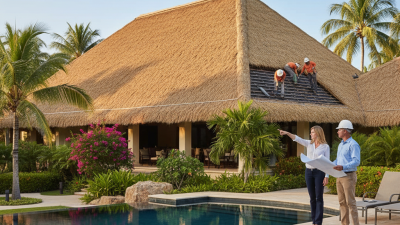
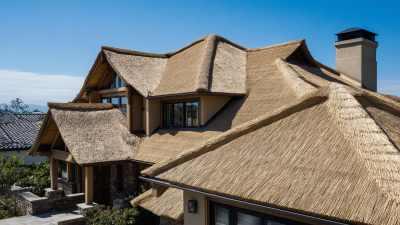
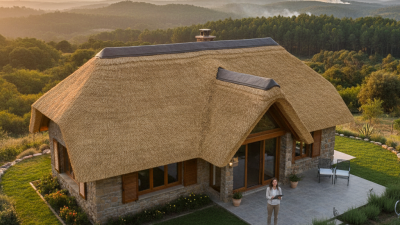
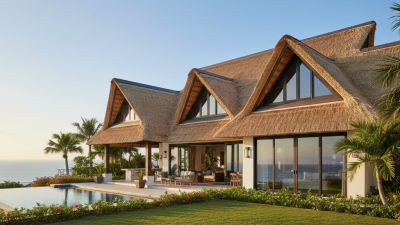
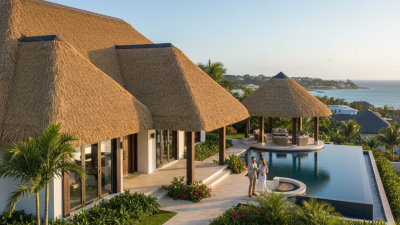
In modern home design, roofing choices are crucial. One captivating option is Synthetic Thatch Roofing. This type of roofing mimics traditional thatch but offers better durability. It provides a unique aesthetic, enhancing your home's appearance.
Synthetic thatch has various benefits. It withstands harsh weather, reducing damage from storms or sun. Additionally, it requires less maintenance than real thatch. Homeowners appreciate how it combines style and functionality. However, some might worry about its upfront cost.
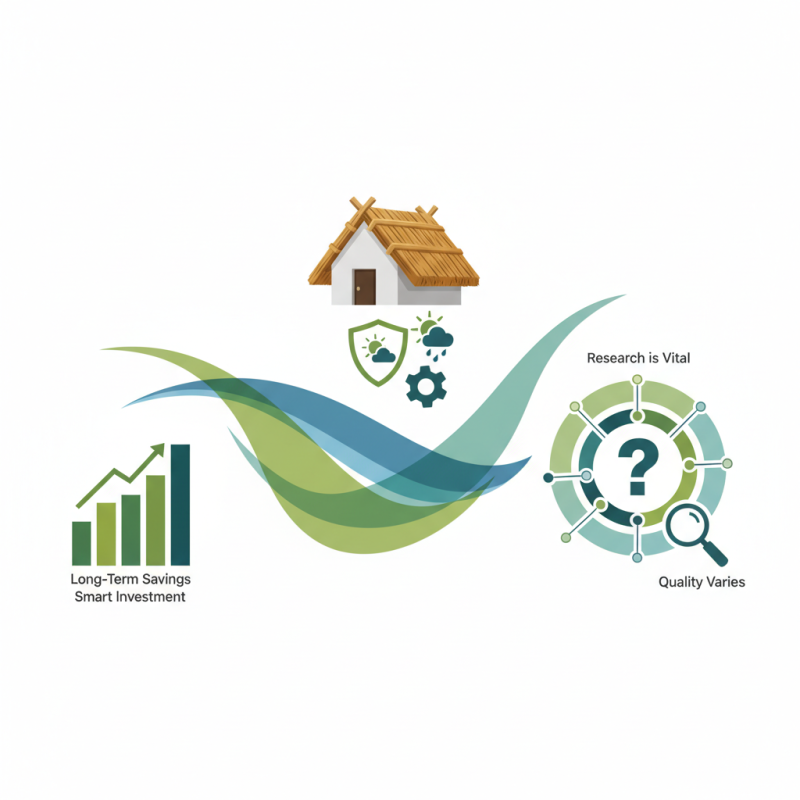
When choosing roofing materials, consider long-term savings. Synthetic thatch can be a smart investment. Not all options are equal, though. The market offers a wide range, and quality varies. Research is vital to make the best choice for your home.
10 Best Synthetic Thatch Roofing Options for Your Home
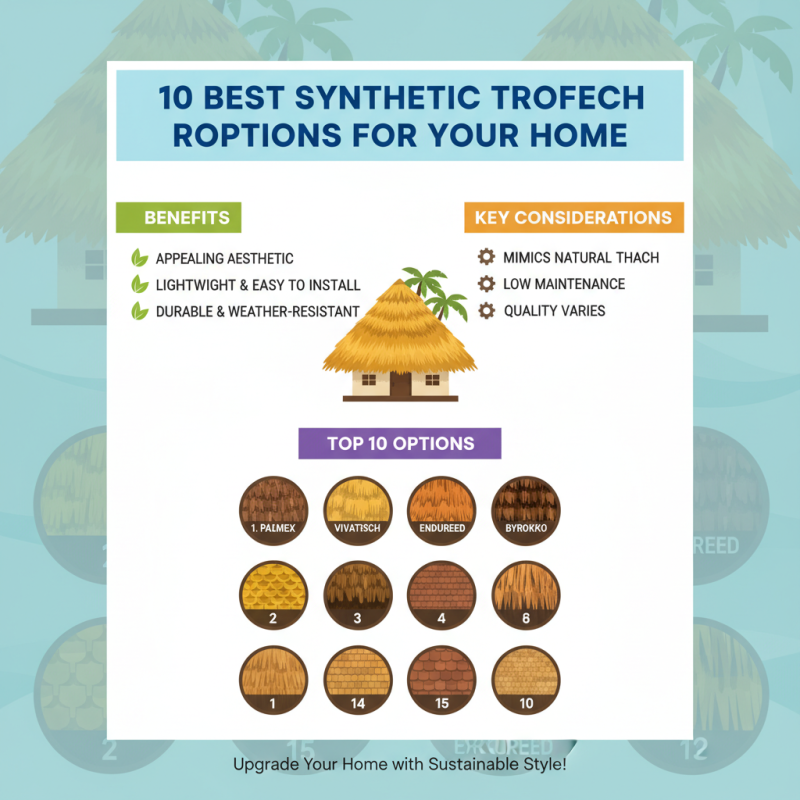
When it comes to roofing, synthetic thatch offers an appealing aesthetic. It's lightweight and easy to install. Many homeowners appreciate its durability against weather elements. This option mimics natural thatch without the upkeep. However, not all synthetic thatch is created equal.
Some products may fade over time or lack fire resistance. It's important to do thorough research before choosing a material. Look for high-quality options that withstand UV rays and storms. While the initial cost may be higher, the long-term savings in maintenance can be significant.
Don’t forget about the local climate when selecting roofing. Some synthetic types perform better in humid areas while others resist extreme heat. A poor choice could lead to costly repairs later. Consider consulting with professionals to ensure you make the best decision for your home.
Overview of Synthetic Thatch Roofing Materials and Their Benefits
Synthetic thatch roofing materials have become a popular choice for homeowners. These materials mimic the appearance of traditional thatch while offering many advantages. They are often made from durable polymers or composite materials. This enhances their longevity and weather resistance.
One major benefit of synthetic thatch is its low maintenance requirement. Unlike natural thatch, which can decay or attract pests, synthetic options are easier to care for. They typically do not require frequent replacements or repairs. Additionally, they resist fire and harsh weather conditions, providing peace of mind.
However, some homeowners may overlook the aesthetic aspect. Not all synthetic options achieve the same authentic look as natural materials. This could lead to a visual mismatch with traditional architectural styles. It's essential to find a product that aligns with your home's design. Consider the colors and textures available carefully. Each choice may convey a different feel for your property. Your home deserves careful thought in this process.
10 Best Synthetic Thatch Roofing Options for Your Home
| Material Type |
Durability (Years) |
Fire Rating |
Weight (per square meter) |
Cost (per square meter) |
Benefits |
| Polyethylene Thatch |
50+ |
Class A |
10 kg |
$30 |
Lightweight, UV resistant, Water resistant |
| PVC Thatch |
30+ |
Class A |
12 kg |
$25 |
Flexible, Strong material, Low maintenance |
| Fiberglass Thatch |
50+ |
Class A |
15 kg |
$35 |
Mold resistant, Weatherproof, Natural appearance |
| High-Density Polyethylene Thatch |
40+ |
Class A |
11 kg |
$28 |
Eco-friendly, Recyclable, Attractive look |
| Synthetic Palm Thatch |
30+ |
Class B |
9 kg |
$33 |
Unique aesthetic, lightweight, Enhances curb appeal |
Durability and Lifespan of Synthetic Thatch vs. Natural Thatch
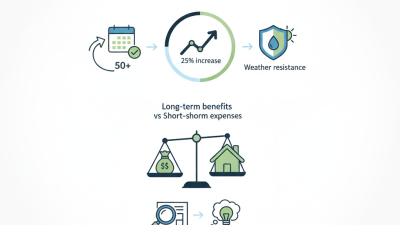
When considering roofing options, durability and lifespan are crucial factors. Synthetic thatch roofing provides several advantages over natural thatch. Typically, synthetic materials can last up to 50 years. In contrast, natural thatch averages a lifespan of only 20-30 years.
Research shows synthetic options resist moisture damage better than natural fibers. For example, a report from the National Roofing Contractors Association indicates synthetic thatch can withstand extreme weather conditions. This durability results in less frequent replacements. Homeowners can save money over time by minimizing maintenance costs. However, some reports highlight that synthetic roofs may not achieve the same aesthetic appeal as natural ones.
Natural thatch requires ongoing upkeep. This maintenance can include regular inspections and replacements of damaged or rotted sections. A well-maintained natural thatch roof might last longer, but the labor and materials add up. Synthetic thatch eliminates much of this hassle. Some people still prefer natural materials for sustainability reasons. There is a debate on whether synthetic options contribute to environmental issues. Homeowners should weigh these factors carefully.
Durability and Lifespan Comparison of Synthetic Thatch vs. Natural Thatch
Cost Analysis: Initial Investment and Long-term Savings
When considering synthetic thatch roofing, the initial investment can be quite significant. Depending on the material, prices can vary widely. Homeowners need to evaluate their budget carefully. Some options may seem costly upfront, but they can save money in the long run. This is due to their durability and low maintenance requirements.
Long-term savings often offset the initial costs. Synthetic thatch is designed to withstand harsh weather conditions. It won’t fade easily, reducing the need for frequent replacements. This can lead to fewer expenses over the years. Many homeowners appreciate the aesthetics while enjoying energy savings too. Proper insulation properties can lower heating and cooling bills.
However, this ideal doesn’t come without hesitation; some materials may not perform as expected over time. Researching options is key. It's essential to reflect on your specific needs and environmental impacts.
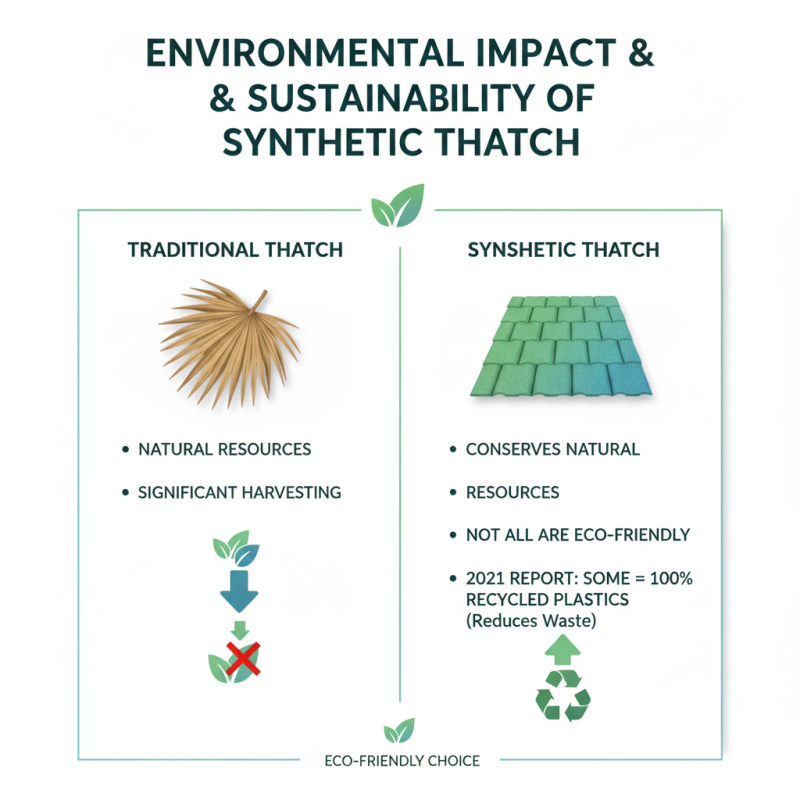
Environmental Impact and Sustainability of Synthetic Thatch
When considering synthetic thatch roofing, environmental impact is a key factor. Traditional thatch roofs come from natural resources and require significant harvesting. Synthetic options conserve these resources, but not all creations are equally eco-friendly. A 2021 industry report indicated that some synthetic thatch materials are made from 100% recycled plastics, significantly reducing waste.
The life cycle of synthetic thatch is another area for reflection. These roofs can last up to 50 years, often outperforming traditional materials. However, end-of-life disposal remains a concern. Not many products are biodegradable. A study from the Roofing Industry Association found that 75% of roofing waste ends up in landfills, including synthetic materials. Ensuring proper recycling channels is essential.
Sustainability in manufacturing is crucial as well. Some producers harness renewable energy sources during production. This is a promising step but often not the industry standard. Consumers should demand transparency regarding materials and processes. Balancing durability and eco-friendliness in synthetic thatch roofing continues to be a challenge in the quest for sustainable building solutions.
Conclusion
Synthetic Thatch Roofing offers a modern alternative to traditional thatch, combining aesthetic appeal with practical benefits. This roofing material is designed to provide long-lasting durability, often exceeding the lifespan of natural thatch. Homeowners can expect an initial investment that, while potentially higher than natural options, leads to significant long-term savings due to reduced maintenance and longevity.
Furthermore, the environmental impact of Synthetic Thatch Roofing is notably positive, as it utilizes sustainable materials and production processes. The installation process is straightforward, making it accessible for many homeowners, while maintenance requirements are minimal, allowing for a hassle-free roofing experience. Overall, Synthetic Thatch Roofing presents an attractive solution for those looking to enhance their home's exterior while ensuring durability and sustainability.