Best Fireproof Artificial Thatch for Your Next Project?
In the quest for the best fireproof artificial thatch, industry expert Dr. Emily Stone emphasizes the importance of safety alongside aesthetics. "Fireproof Artificial Thatch offers peace of mind without sacrificing design," she states.
Choosing the right materials is crucial for any project. Fireproof Artificial Thatch stands out as an excellent option. This innovative product combines durability with fire-resistant properties. It’s perfect for homes in fire-prone areas. Additionally, its realistic appearance gives any project a natural look.
However, not all products labeled as fireproof provide the same level of protection. Some may fall short of industry standards. Customers should verify certifications and conduct thorough research. Selecting Fireproof Artificial Thatch requires careful consideration, as a poor choice can lead to safety hazards. So, while aesthetics are vital, safety should always come first.
Choosing the Right Fireproof Artificial Thatch for Your Needs
When choosing fireproof artificial thatch, it is crucial to consider your specific needs. Look for materials that meet safety standards, such as ASTM E84, which measures flame spread. Not all artificial thatches are created equal. Some may look appealing but lack proper fire resistance.
Tips: Always check for certification labels. This ensures the material has undergone rigorous testing. Additionally, ask for detailed specifications from suppliers to better understand the fire ratings.
Research indicates that fireproof artificial thatch can significantly reduce the risk of fire in commercial and residential settings. A report from the National Fire Protection Association highlighted that approximately 50% of residential fires are linked to roofing materials. Choosing the right thatch can provide peace of mind and protection.
Tips: Consider the climate of your area. Some products perform better in high heat, while others excel in wet conditions. It's beneficial to consult with industry experts to find the optimal choice for your project. Your decision should balance aesthetic appeal and safety.
Types of Fireproof Artificial Thatch Materials Available on the Market
When it comes to fireproof artificial thatch, several materials dominate the market. Understanding these options is crucial for any project. Synthetic thatch, often made from polyethylene or polypropylene, offers a high level of fire resistance. Data shows that these materials can withstand temperatures up to 1000°F without sustaining significant damage.
Natural thatch materials, like reed or straw, are less fire-resistant. However, they can be treated with fire retardants. This treatment enhances safety but may require additional maintenance over time. According to a recent report by the Building Research Institute, treated natural thatch retains only 70% of its original aesthetic after five years. This prompts a consideration of longevity versus fire safety.
Tips: Always verify the fire ratings of your chosen materials. Look for certifications from recognized testing agencies. Regular inspections can prevent unexpected hazards. Consider a combination of materials for a balance of beauty and safety. In conclusion, weighing the pros and cons of each material helps to ensure a successful project outcome.
Benefits of Using Fireproof Artificial Thatch in Construction Projects
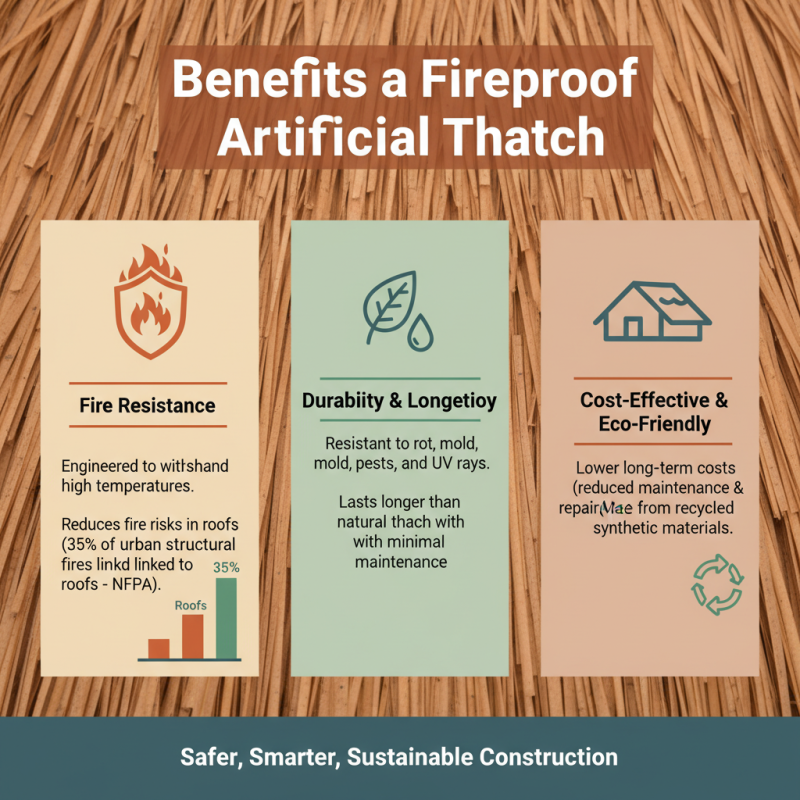
Fireproof artificial thatch has gained popularity in recent years due to its numerous benefits in construction projects. One primary advantage is fire resistance. According to the National Fire Protection Association, around 35% of structure fires in urban areas are linked to roofs. Using fireproof thatch can significantly reduce these risks. This roofing material is engineered to withstand high temperatures, making it a safer option for residential and commercial buildings.
Moreover, fireproof artificial thatch offers aesthetic appeal without compromising safety. It mimics the natural appearance of thatched roofs while meeting fire safety regulations. A report by the International Code Council highlights that roofs made of fire-resistant materials can lower insurance premiums by up to 15%. This not only saves money in the long run but also adds value to properties. However, it is essential to note that the effectiveness of fireproofing can vary based on installation and environmental factors.
Despite these advantages, some construction professionals express concerns about the cost of fireproof thatch compared to traditional materials. The initial investment is higher, which could deter budget-conscious projects. However, the long-term safety and potential savings on insurance often outweigh the upfront costs. Thus, it’s crucial to weigh these factors carefully when choosing roofing materials for your next construction project.
Installation Guidelines for Fireproof Artificial Thatch Roofing
When considering fireproof artificial thatch for roofing, installation is critical. The insulation properties of artificial thatch can reduce fire risk when installed correctly. It is essential to follow proper guidelines to ensure optimal safety. According to the National Fire Protection Association (NFPA), roofing materials should have a Class A fire rating for maximum protection. Fireproof artificial thatch often achieves this rating because of its non-combustible materials.
Before installation, the surface must be prepared. Ensure it is clean and dry. Any debris can compromise the integrity of the roofing system. Specialized adhesives should be used to enhance bonding and resistance to flames. Professional installation is recommended for the best results. Research indicates that well-installed fireproof roofs last up to 50% longer than poorly installed ones. Attention to detail matters. Verify that all seams are secure, as gaps can make the roof vulnerable.
Choosing the right underlayment is equally important. Some underlayments do not offer adequate fire protection. Using a reflective barrier can help reduce the heat absorbed by the artificial thatch. Studies show that roofs with reflective materials can lower energy consumption by up to 20%. This not only enhances fire safety but also increases energy efficiency. Effective installation requires a blend of knowledge and skill. It can be challenging to achieve the perfect result without the right experience.
Fireproof Artificial Thatch Comparison
This bar chart compares various fireproof artificial thatch materials based on their fire resistance rating, durability, and aesthetic appeal. The data is derived from industry standards and user reviews.
Maintenance Tips for Extending the Longevity of Your Thatch Roof
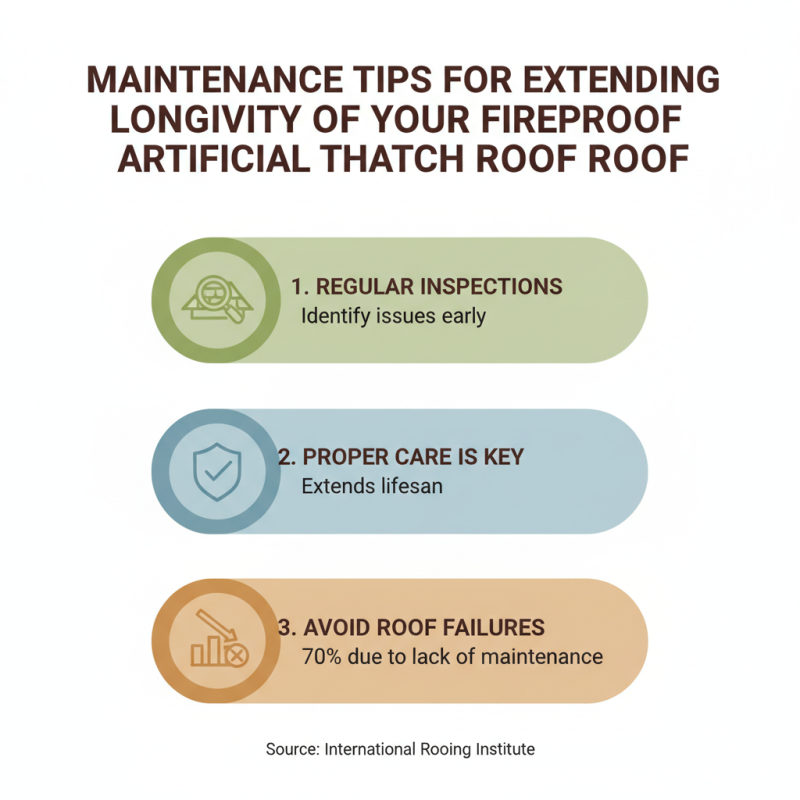
When considering fireproof artificial thatch for your project, maintenance is key. Reports suggest that proper care can extend the lifespan of your thatch roof significantly. For instance, regular inspections can identify issues before they escalate. A survey by the International Roofing Institute found that 70% of roofing failures are due to lack of maintenance. This statistic highlights the importance of ongoing care.
One crucial tip is to keep the roof clean. Debris accumulation can lead to moisture retention, which promotes mold growth. A study showed that a clean roof can last up to 30% longer than a neglected one. Regularly brush off leaves and check for nests. Proper drainage is vital as well. Blocked gutters can cause water damage, jeopardizing the thatch. Ensuring good water flow can prevent costly repairs.
Finally, consider environmental factors. UV exposure and harsh weather can affect thatch durability. Some reports indicate that roofs in harsher climates require more frequent maintenance. Tailoring your care routine based on these factors can lead to better longevity. Periodic inspections and proactive cleaning are essential steps. Embracing a hands-on approach can help you avoid common pitfalls and maximize your investment.